Introduction
Forget everything you thought you knew about racing films. Rush isn't just another high-speed spectacle; it's a visceral, character-driven drama that grabs you from the starting line and never lets go. Audiences walked in anticipating a thrilling look at the world of Formula 1, and what they got was an "awesome-tacular" experience that left them wanting to dive headfirst into the sport, or at least fire up a racing game.
The Lead Dynamic & The Action
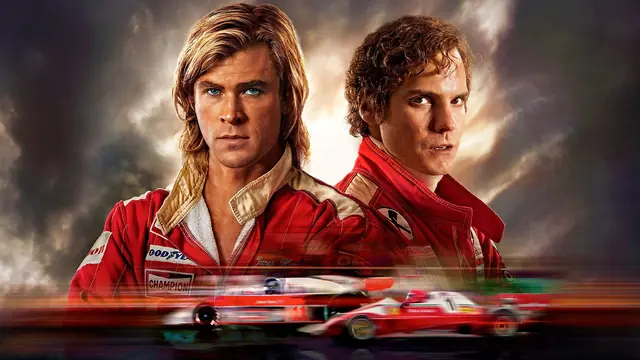
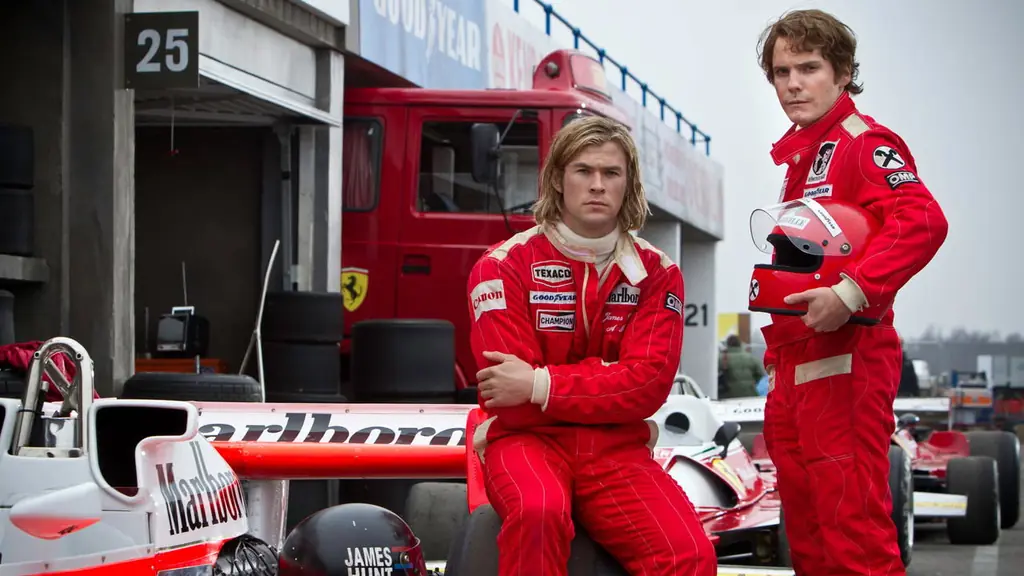
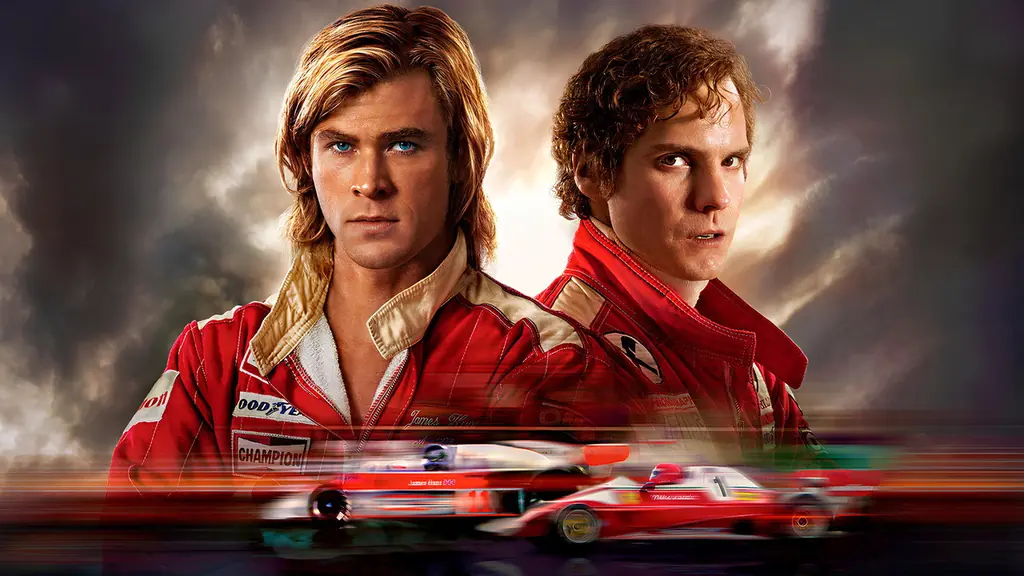
At its heart, Rush thrives on the electrifying rivalry between two titans of the track: the flamboyant James Hunt, portrayed with charismatic abandon by Chris Hemsworth, and the calculating, brilliant Niki Lauda, brought to life by Daniel Brühl. Hunt is the walking id, living for the thrill, embracing risk with a devil-may-care attitude. Lauda, conversely, is all intellect and precision, viewing racing as a mathematical equation where emotion has no place. Their contrasting philosophies create a dynamic so compelling that viewers find themselves constantly flip-flopping allegiances, unable to definitively label one a hero and the other a villain. Both men simply want to be great, to leave their indelible mark, and in doing so, they push each other to unimaginable heights. The racing sequences themselves are nothing short of "intense and badass," with every rev, every piston, and every slow-motion shot immersing the audience directly into the heart of the action.
Narrative Stakes & The Human Element
While the film is set against the backdrop of Formula 1, the sport itself serves as a powerful vehicle for a deeply human story. This isn't just about cars going fast; it's about two individuals driven by an insatiable desire for victory and recognition. The narrative expertly balances the adrenaline of the track with the personal stakes of their lives, making it clear that their rivalry extends far beyond the finish line. The film's ability to make even non-racing enthusiasts care deeply about the sport and its protagonists is a testament to its compelling storytelling. It's a narrative triumph that proves you don't need to be a gearhead to be utterly captivated by the pursuit of greatness.
Tone, Direction & Creative Freedom
Under the masterful direction of Ron Howard, Rush maintains a vibrant, engaging tone throughout. Howard orchestrates a symphony of speed, tension, and raw human emotion, ensuring the pacing is relentless yet never overwhelming. The film exudes a certain allure, a "sexy" quality that stems from its attractive cast, the palpable tension of the competition, and the sheer speed of the sport. It's a film that feels alive, capturing the essence of a bygone era of racing with both authenticity and flair, allowing its characters and their epic struggle to shine.
The Final Verdict
Rush delivers nothing short of pure satisfaction. It's a film that transcends its genre, offering a thrilling, character-rich experience that will resonate with anyone who appreciates a well-told story of ambition and rivalry. Whether you're a die-hard F1 fan or a complete novice, prepare to be thoroughly entertained and perhaps even inspired by this "awesome-tacular" cinematic achievement.
What Worked
- Electrifying rivalry between two compelling leads
- Intense and immersive racing sequences
- Captivating storytelling that transcends the sport
- Strong direction from Ron Howard
- Makes non-racing fans genuinely care about Formula 1
What Didn't Work
- Very few, if any, significant flaws
- Some may find the "sexy" aesthetic slightly superficial (though reviewer found it positive)