Introduction
Sanctum, directed by Alister Grierson, arrived in 2011 with the notable "James Cameron presents" endorsement, immediately setting high expectations for a visually spectacular and intense cinematic experience. Marketed as a deep-sea adventure, the film quickly reveals itself to be a survival disaster narrative, transplanting the familiar tropes of battling the elements into the claustrophobic confines of an unexplored cave system. While the promise of breathtaking 3D visuals is largely delivered, the film struggles to maintain narrative depth and emotional engagement, ultimately presenting a spectacle that is more technically proficient than dramatically compelling.
The Plot & Execution
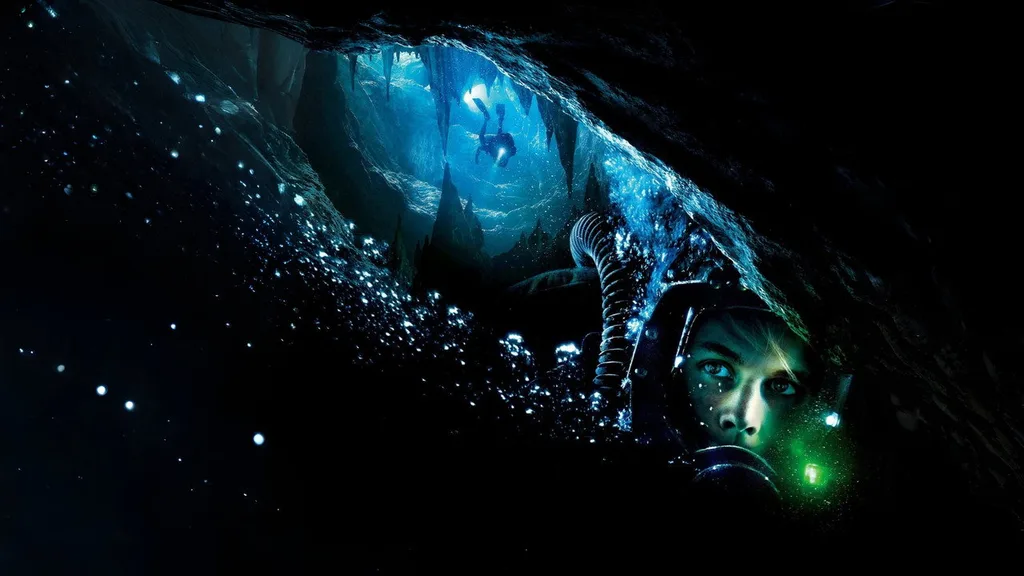
The premise of Sanctum centers on a team of expert cave divers exploring a vast, uncharted underground network. Their expedition takes a perilous turn when a sudden, torrential storm causes the subterranean rivers to swell and flood, effectively trapping them deep within the earth. With their primary exit blocked, the group is forced to navigate further into the unknown, hoping to find an alternative route to the surface. This setup firmly establishes the film as a disaster movie, where survival against overwhelming natural forces is the central conflict. The narrative unfolds as a desperate journey through treacherous underwater passages and tight squeezes, pushing the characters to their physical and psychological limits. However, despite the inherent tension of the situation, the execution often falters, with plot developments occasionally feeling contrived or lacking logical progression. The film attempts to create a sense of urgency and danger, but these efforts are frequently undermined by questionable character decisions and narrative shortcuts that diminish the stakes.
Performances & Characters
One of the most significant weaknesses of Sanctum lies in its character development and the performances of its cast. The ensemble, including actors like Richard Roxburgh and Ioan Gruffudd, who famously portrayed Mr. Fantastic in the "Fantastic Four" films, struggles to imbue their roles with genuine depth or relatability. Many characters are presented as archetypes rather than fully realized individuals, making it difficult for the audience to invest emotionally in their plight. As the perilous journey progresses and casualties inevitably mount, the impact of these losses is significantly lessened due to the lack of connection established with the characters. Their reactions to the life-threatening circumstances often appear unconvincing, with some failing to grasp the gravity of their situation despite repeated warnings from more experienced members of the team. This deficiency in character portrayal and acting quality prevents the audience from truly caring about the fate of the trapped explorers, transforming what should be a harrowing ordeal into a somewhat detached viewing experience.
Direction & Technical Aspects
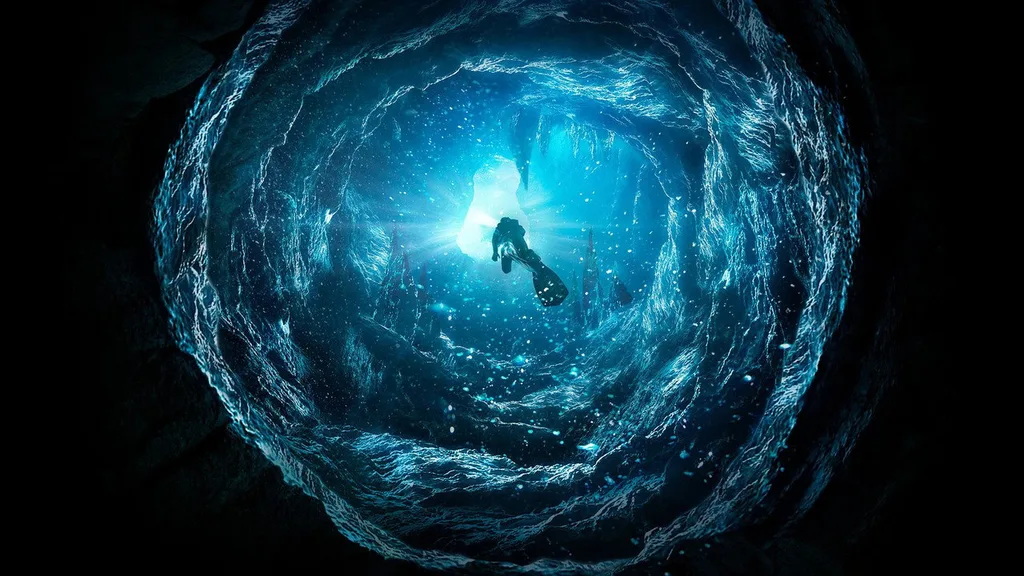
Alister Grierson's direction, particularly in its utilization of 3D technology, is a notable aspect of Sanctum. The film was clearly designed as a showcase for the format, featuring numerous shots that leverage the depth and immersion offered by 3D. Sequences depicting the divers rappelling into vast sinkholes or navigating intricate underwater caverns are visually impressive, creating a sense of scale and claustrophobia that is genuinely striking. The cinematography captures the eerie beauty and terrifying grandeur of the underground world, making the environment itself a compelling character. However, while the visual spectacle is commendable, it often feels like a compensatory measure for other narrative shortcomings. The editing, at times, appears disjointed, with one particularly jarring instance noted where a group of characters, separated by a chasm, inexplicably reunites in the very next scene without any explanation of how they traversed the obstacle. This kind of inconsistency detracts from the film's overall credibility and pacing, highlighting that impressive visuals alone cannot sustain a compelling story.
The Verdict
Sanctum presents an intriguing concept and delivers on its promise of a visually immersive 3D experience within a unique setting. The film's strength lies in its ability to portray the awe-inspiring and terrifying nature of unexplored cave systems, offering some genuinely cool shots and a palpable sense of environmental danger. However, these technical achievements are ultimately overshadowed by significant flaws in its storytelling and character development. The lack of compelling performances and poorly written characters makes it challenging for viewers to emotionally connect with the unfolding disaster. Combined with a sometimes-incoherent plot and questionable editing choices, the film struggles to elevate itself beyond a mere technical demonstration. While it might offer some fleeting entertainment for those seeking a pure visual spectacle, particularly in 3D, it fails to deliver a truly engaging or memorable cinematic narrative. For audiences seeking a more robust and emotionally resonant survival thriller, Sanctum may prove to be a shallow dive.
What Worked
- Visually impressive 3D cinematography
- Unique and claustrophobic cave setting
- Intriguing survival concept
- Some cool individual shots
What Didn't Work
- Weak character development
- Unconvincing acting performances
- Inconsistent plot coherence and editing
- Lack of emotional engagement with characters
- 3D visuals do not compensate for narrative flaws