Introduction
As the supposed final chapter in a groundbreaking horror trilogy, Scream 3 arrived with the weight of expectation. Audiences were eager to see how the saga of Sidney Prescott would conclude, especially after the previous installments redefined the slasher genre with their sharp wit and meta-commentary. The promise was a definitive end to the Ghostface killings, a final bow for a franchise that had, until this point, masterfully blended terror with self-referential humor.
The Lead Dynamic & The Action
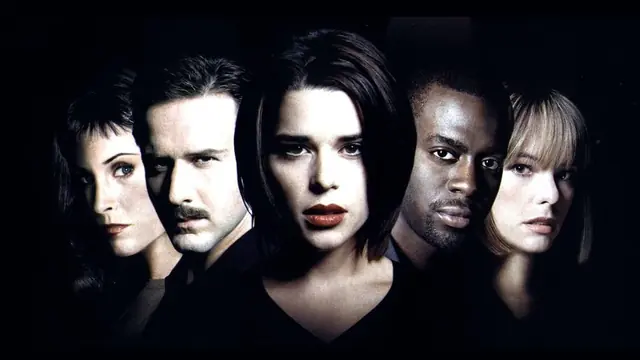
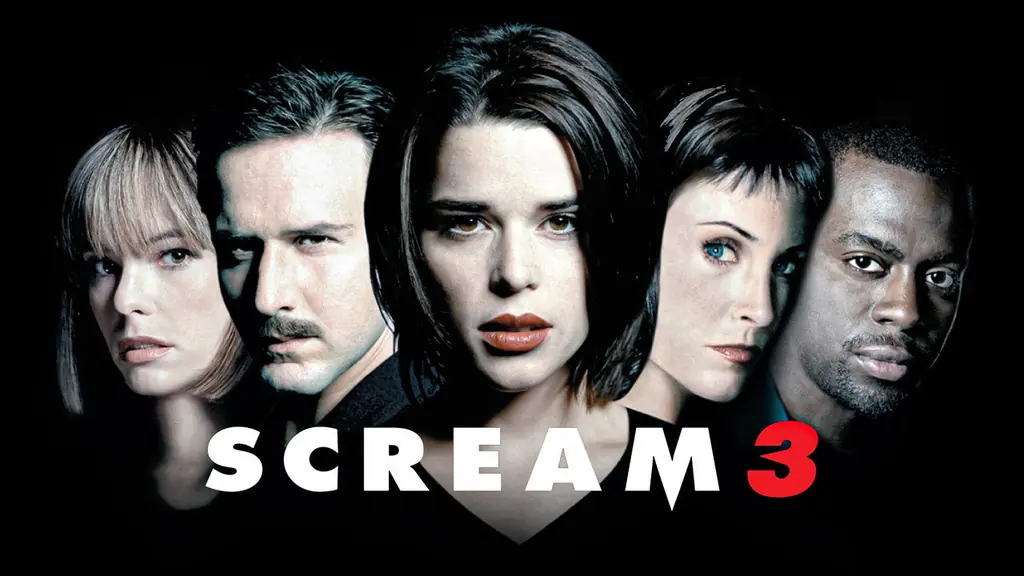
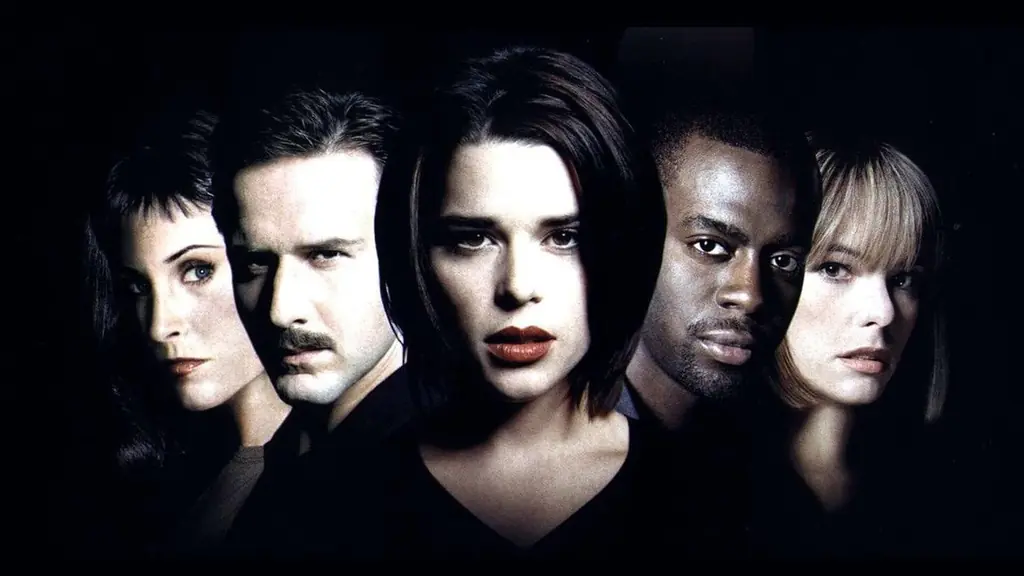
The returning cast, including Neve Campbell as Sidney Prescott, David Arquette as Dewey Riley, and Courteney Cox as Gale Weathers, remains a highlight. Their established chemistry is undeniable, particularly when Gale teams up with her new, equally ambitious counterpart, Jennifer Jolie, played by Parker Posey. Their investigative antics provide some of the film's more genuinely entertaining, albeit "dumb fun," moments. The introduction of Detective Kincaid, portrayed by Patrick Dempsey, adds a layer of intriguing ambiguity, leaving viewers to ponder his true intentions. However, the film's action sequences often fall flat. Many of the kills are notably bloodless and lack the visceral impact expected from a Scream film, a stark contrast to the brutal efficiency of its predecessors. One particular death, involving a gas leak and a lighter, stretches credulity to its breaking point, feeling less like a clever setup and more like a convenient plot device.
Cameos, Nostalgia & Narrative Stakes
Where Scream 3 truly stumbles is in its narrative ambition, which often feels like it's "making things up" as it goes along. The revelation of a "super boss behind the boss" connecting the original murders to Sidney's mother, Maureen Prescott, and a secret child, feels convoluted and undermines the motivations established in earlier films. This attempt to retroactively tie everything together comes across as forced, a desperate grab for higher stakes that ultimately dilutes the story. The film's meta-commentary, a hallmark of the series, also veers into self-parody. While Randy Meeks (Matt Keeslar) returns via a posthumous video to outline the "rules of a trilogy," the film itself often breaks its own established logic. The most egregious example is the jarring cameo by Jay Mewes and Kevin Smith as Jay and Silent Bob, which shatters the film's reality and transforms it into an inside joke about Hollywood, rather than a genuine horror experience. This, coupled with a voice modulator that can perfectly mimic anyone, pushes the boundaries of believability far beyond what the franchise had previously asked of its audience.
Tone, Direction & Creative Freedom
Wes Craven's direction, while still competent, feels constrained by the prevailing cultural climate of the late 90s, which saw increased scrutiny on violence in media. This likely contributed to the film's noticeable reduction in gore and on-screen brutality. Stabbings are often obscured or happen just off-camera, leading to a less impactful and less frightening experience. The film, as a result, feels more like an "honorary PG-13" horror movie, lacking the sharp edge that defined the first two installments. It leans heavily into comedy and parody, often at the expense of genuine scares, transforming it into something closer to a "Scary Movie" spoof than a true Scream film.
The Final Verdict
Scream 3 ultimately provides a sense of closure, wrapping up Sidney Prescott's story with a definitive, if somewhat messy, bow. While it struggles under the weight of its own meta-narrative and a contrived plot, the film does offer some enjoyable moments, particularly for fans invested in the core trio. It's a film that flew too close to the sun of self-awareness, becoming a parody of itself rather than an evolution. For those looking to complete the original trilogy, it's a watchable, albeit flawed, conclusion—perhaps best enjoyed with a more relaxed, less critical mindset.
What Worked
- Strong performances from the returning core cast
- Provides a definitive sense of finality to Sidney Prescott's story
- Intriguing new character in Detective Kincaid
- Some moments of "dumb fun" when embracing its comedic side
What Didn't Work
- Contrived and convoluted "super boss" plot twist
- Excessive and jarring meta-commentary, including disruptive cameos
- Significantly less gore and violence, feeling like an "honorary PG-13" horror
- Over-reliance on convenient plot devices like the voice modulator
- Leans too heavily into parody, diminishing its horror elements



