Introduction
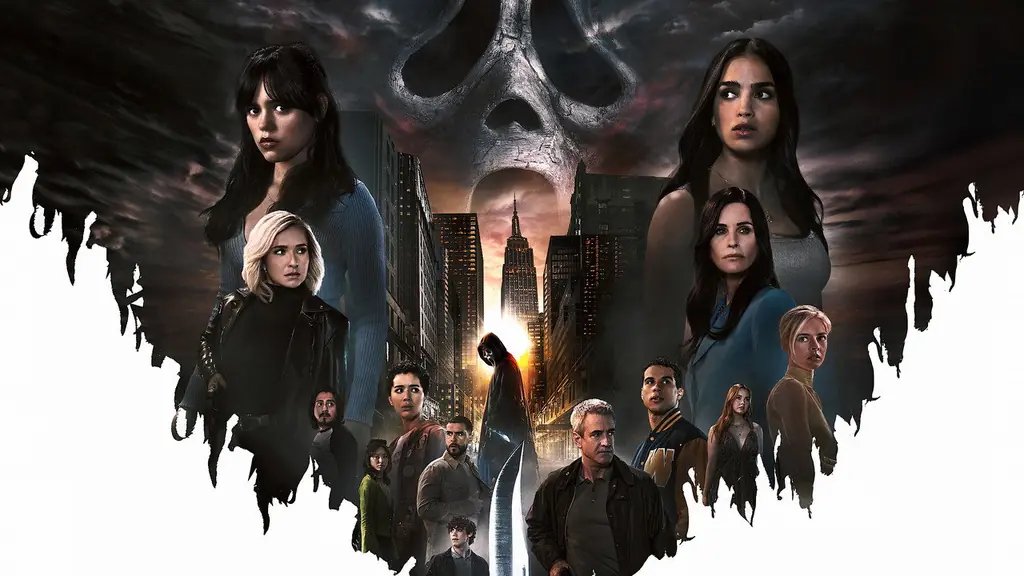
The Scream VI hype machine was in full swing, promising a fresh take on the beloved slasher franchise. After five installments, many wondered if Ghostface still had new tricks up its sleeve. This time, the iconic killer trades the familiar suburban streets and college campuses for the bustling, unforgiving concrete jungle of Manhattan. From the opening frame, it's clear this isn't just another sequel; it's an expansion. The initial Ghostface killing, a staple of the series, immediately grabs attention with a twist that feels both familiar and entirely new, piquing curiosity and setting an anxious tone for what's to come.
The Lead Dynamic & The Action
With the franchise's legacy characters taking a backseat, the weight of the film rests squarely on the shoulders of Melissa Barrera and Jenna Ortega. They carry the narrative with a compelling dynamic, proving the new generation can anchor the series. This Ghostface, however, is a different beast entirely. Gone are the days of bumbling killers; this iteration is menacing, efficient, and almost angry. Armed with seemingly perfect 20/20 vision, this Ghostface is a brutal force, delivering savage, bloody, and violent kills. The film excels in crafting anxiety-inducing cat-and-mouse sequences, particularly a standout subway scene that keeps audiences on edge, hearts pounding, for minutes on end. It’s a relentless, simmering tension that defines the film's best moments.
Cameos, Nostalgia & Narrative Stakes
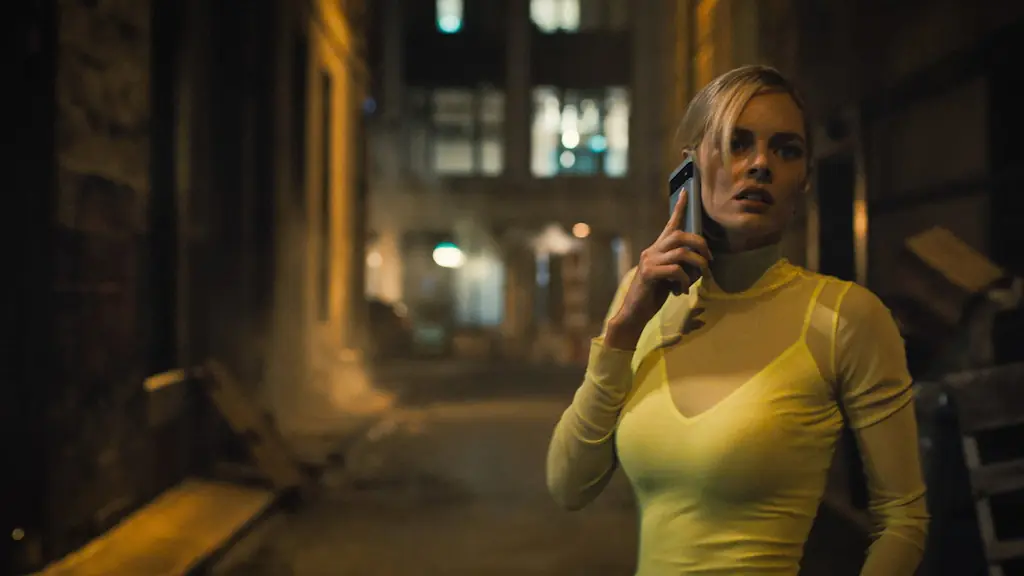
Nostalgia plays a role, with the welcome return of Hayden Panettiere as Kirby Reed, a fan-favorite from Scream 4. Her integration into the story feels natural, avoiding the pitfalls of forced fan service. However, the absence of Neve Campbell's Sidney Prescott is notable, stemming from a reported pay dispute. While the narrative attempts to justify her absence, the underlying reason is a sore point for many. Courteney Cox returns as Gale Weathers, though her role occasionally feels redundant. A recurring frustration emerges with characters who endure seemingly fatal stabbings only to reappear unscathed in subsequent scenes, suggesting a reluctance to commit to character deaths. This perceived plot armor can detract from the genuine stakes a Scream movie should deliver.
Tone, Direction & Creative Freedom
Under the direction of Matt Bettinelli-Olpin, Scream VI expands the world of Ghostface without losing the franchise's core identity. The new Manhattan setting is utilized effectively, offering fresh possibilities and a grander scope. The film is a clear celebration of horror tropes, but also a self-aware homage to the Scream series itself. It embraces its sixth installment status, reveling in its own history while pushing forward. The tone is consistently dark, punctuated by moments of dark comedy, and the direction ensures a relentless pace that rarely lets up, delivering on the promise of a truly savage and bloody slasher experience.
The Final Verdict
Ultimately, Scream VI delivers a bloody good time. It’s a film that understands what fans want: a menacing Ghostface, gory kills, and a celebration of the horror genre. Despite some minor stumbles with character survival, the film successfully expands the Scream universe into a new, exciting location. For those seeking an anxiety-inducing, brutal slasher with a fresh coat of big-city paint and strong new leads, this installment is an absolute must-watch. Grab your popcorn, prepare for some jump scares, and enjoy the ride.
What Worked
- Bold new setting in New York City.
- A truly menacing and efficient Ghostface killer.
- Intense, anxiety-inducing cat-and-mouse sequences.
- Strong performances from the new lead actresses.
- Seamless and welcome return of Kirby Reed.
What Didn't Work
- Perceived reluctance to kill off characters, leading to plot armor.
- Gale Weathers' role felt somewhat redundant.
- Absence of Sidney Prescott due to pay dispute.