Introduction
Before its release, Selma flew surprisingly under the radar for many, including this critic. Yet, what emerged was a profoundly important biographical picture, not attempting to span an entire lifetime, but rather focusing on a pivotal, tension-filled chapter of the Civil Rights Movement. This isn't just a historical recounting; it's an immersive journey into a time and place where the cards were stacked against an entire community, and the fight for justice was a daily, brutal reality.
The Lead Dynamic & The Action
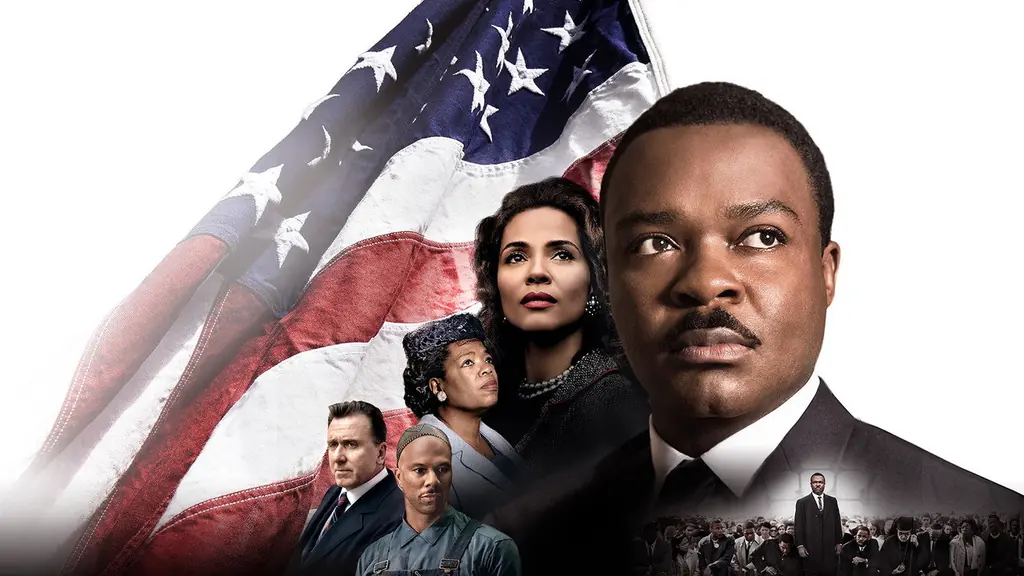
The true revelation of Selma is the astounding performance by David Oyelowo as Dr. Martin Luther King Jr. Many might not have known him before, but his portrayal is nothing short of transformative. He doesn't just embody the iconic figure; he becomes him, so much so that discovering his British accent post-viewing is a genuine shock. What makes Oyelowo's performance so powerful is how it peels away the layers of legend. We often view Dr. King as an unwavering, almost mythical figure, but Selma dares to show the man behind the myth – a mortal leader grappling with doubt, fear, and the immense weight of his cause. It’s a crucial humanization, reminding us that even the greatest figures are, at their core, just like us.
Cameos, Nostalgia & Narrative Stakes
Beyond the marches and speeches, Selma masterfully illustrates the intricate political chess game at play. It’s not just a simple narrative of "march and succeed"; the film delves into the complex negotiations and strategic maneuvers between Dr. King and President Lyndon B. Johnson, played by Tom Wilkinson. The movie highlights that the path to civil rights was fraught with political calculations and difficult decisions, often lost in the simplified historical accounts. It’s a nuanced look at the many cogs in the machine, revealing the strategic brilliance and immense pressure on all sides.
Tone, Direction & Creative Freedom
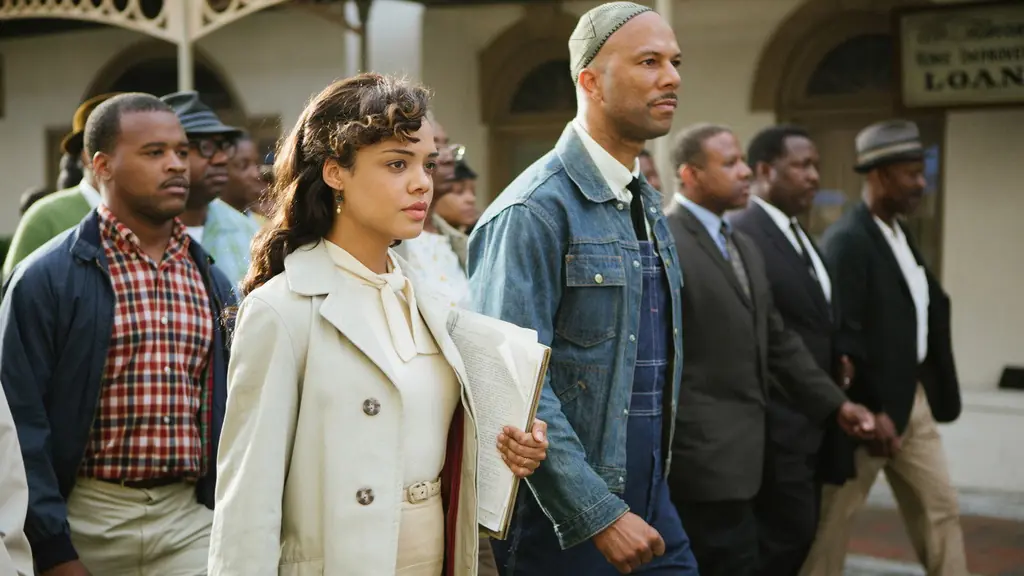
Directed by Ava DuVernay, Selma doesn't shy away from the brutal realities of the era. Some scenes are genuinely hard to watch, depicting the dark times and systemic injustices with unflinching honesty. This raw portrayal is essential for understanding the gravity of the struggle. However, the film occasionally stumbles with its stylistic choices. There are moments where tragic events are rendered in slow-motion, and while the intent is clear, these shots often linger far too long. Instead of enhancing the emotional impact, the extended slow-mo gives the viewer too much time to analyze, inadvertently pulling them out of the moment and diminishing the raw, immediate power the scene could have otherwise held.
The Final Verdict
Despite a minor misstep in pacing with some overextended slow-motion, Selma stands as a profoundly effective and well-crafted film. The acting, particularly from David Oyelowo, is exceptional, and Ava DuVernay's direction ensures a powerful and engaging experience. This is a movie that educates, inspires, and deeply moves its audience, proving its worth as a vital piece of cinematic storytelling. It's a great movie, definitely worth seeing.
What Worked
- [[person:35013|David Oyelowo]]'s transformative portrayal of MLK.
- Humanizes Dr. King, showing his doubts and struggles.
- Masterful depiction of the political chess game behind the movement.
- Well-acted, well-directed, and profoundly effective storytelling.
- Unflinching honesty in depicting a dark historical period.
What Didn't Work
- Overly long slow-motion shots that diminish emotional impact.