Introduction
The buzz around Sicario was palpable, with audiences anticipating a visceral dive into the murky world of cartel warfare. Directed by Denis Villeneuve, known for his intense thrillers, the film promised a gritty, boots-on-the-ground realism that few dared to tackle. It arrived with a reputation for unflinching tension, ready to pull viewers into a conflict where the lines between good and evil blur.
The Lead Dynamic & The Action
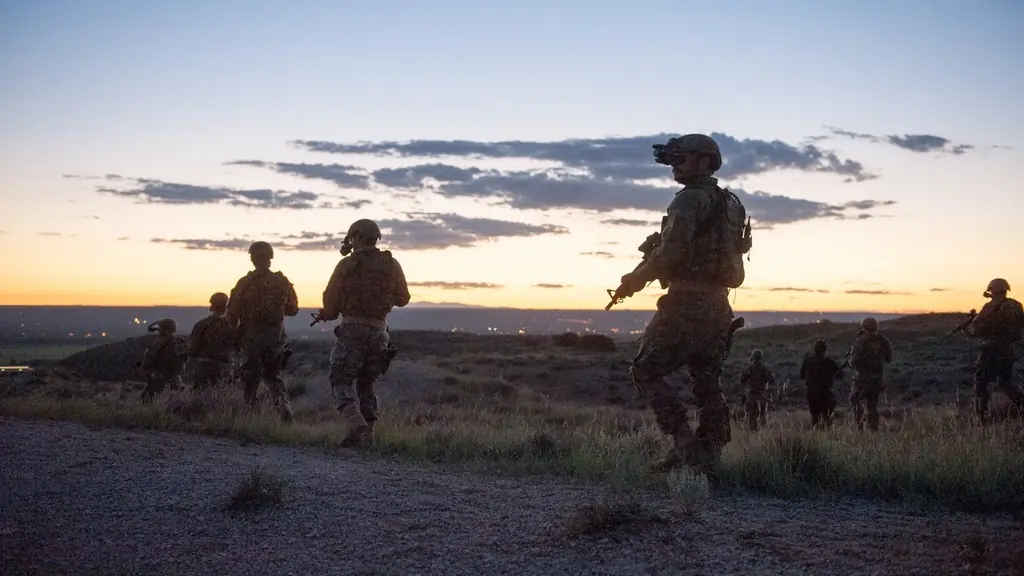
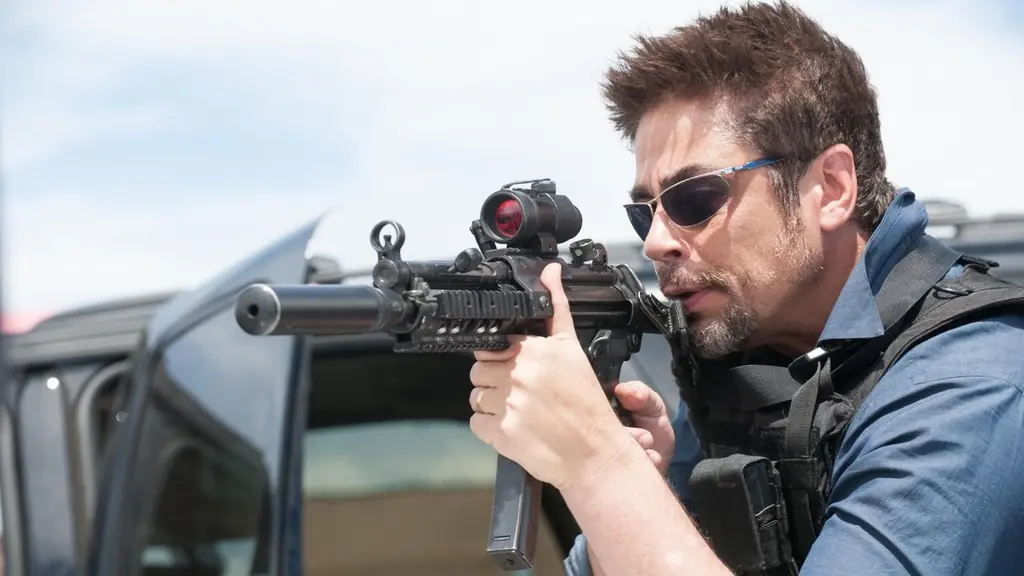
At the heart of Sicario is Emily Blunt as Kate Macer, an FBI agent thrust into a shadowy government faction. Her journey is our entry point, a "fish out of water" scenario that grounds the escalating chaos. Blunt delivers a performance that showcases her remarkable evolution as an actress, portraying Kate's growing unease and moral conflict with compelling authenticity. While Josh Brolin is solid in his role, it's Benicio del Toro who truly captivates. His character, Alejandro, is a mysterious "spook" whose allegiances are constantly questioned. He's a force of nature, a "Boba Fett" figure whose lethal efficiency and enigmatic presence make him the film's most intriguing element. The film excels at building tension without relying on explosive payoffs. A standout sequence involves a convoy stuck in traffic, surrounded by unseen cartel members. The palpable dread, the uncertainty of when and how violence will erupt, creates a suffocating atmosphere that grips the audience.
Cameos, Nostalgia & Narrative Stakes
Sicario commits to a deeper exploration of the war against the cartel, often slowing its pace to emphasize the grim realities. This commitment to realism, however, occasionally comes at the cost of narrative momentum. While the film largely follows Kate's perspective, the climax jarringly shifts focus almost entirely to Alejandro. This narrative choice, while effective in highlighting del Toro's compelling character, can feel disorienting, akin to a Star Wars film abandoning Luke Skywalker for Han Solo in the final act. It's a bold move that some viewers might find disruptive, even if it ultimately serves the film's thematic ambitions.
Tone, Direction & Creative Freedom
Denis Villeneuve's direction is consistently masterful, ensuring that every shot and every scene contributes to the film's oppressive atmosphere. The film's gritty, realistic tone is meticulously crafted, immersing the audience in a world where moral compromises are the norm. While the film's deliberate pacing and slow-burn tension are intentional, aiming for a "long haul" exploration of its themes, there are moments where the narrative crawls, leading to a sense of boredom for some viewers. It shares a similar DNA with films like "Zero Dark Thirty" and "Traffic"—exceptionally well-made, directed, and acted, yet perhaps lacking the rewatchability factor that defines pure entertainment.
The Final Verdict
Sicario is a film that demands attention, delivering a powerful and often uncomfortable look at the war on drugs. Its technical prowess, from the direction to the performances, is undeniable. While its deliberate pacing and narrative shifts might not appeal to everyone, those seeking a thought-provoking, tension-filled thriller will find much to appreciate. It's a film that sticks with you, even if you might not rush to revisit its dark corners.
What Worked
- Masterful direction by [[person:137427|Denis Villeneuve]].
- Phenomenal performances, especially from [[person:5081|Emily Blunt]] and [[person:1121|Benicio del Toro]].
- Relentless, suffocating tension throughout.
- Gritty, realistic portrayal of cartel warfare.
- Thought-provoking exploration of moral ambiguity.
What Didn't Work
- Pacing issues; some scenes feel too slow.
- Jarring narrative shift in the climax.
- Limited rewatchability for some viewers.
- Tension without explosive payoffs might not satisfy all action fans.