
Introduction
When Sin City first hit screens in 2005, it didn't just adapt a graphic novel; it fundamentally changed how audiences perceived the genre. This wasn't merely a film paying homage to its source material; it was the source material itself, brought to life in motion. The pages of Frank Miller's iconic graphic novel were meticulously translated onto the big screen, creating a cinematic experience unlike any other.
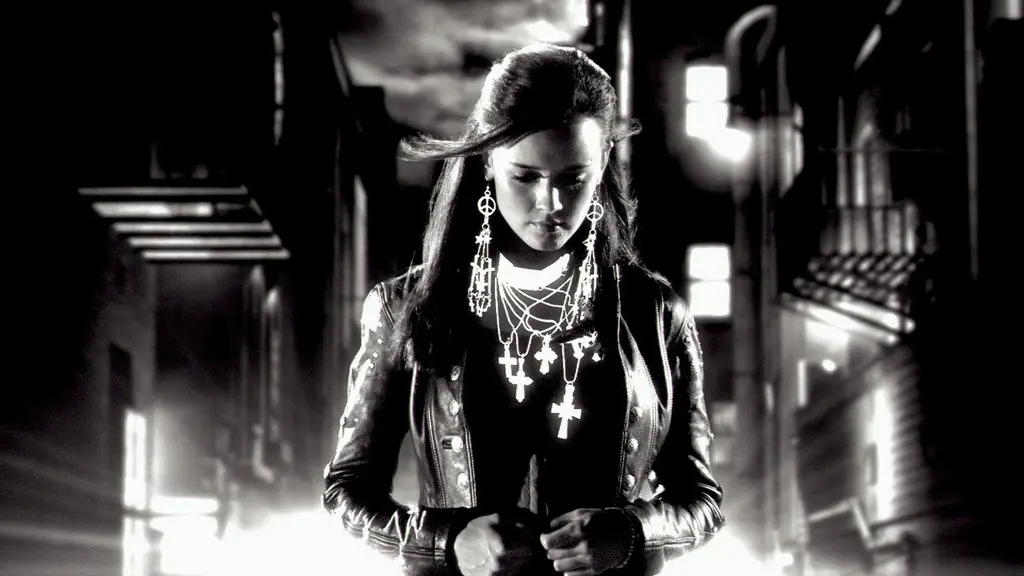
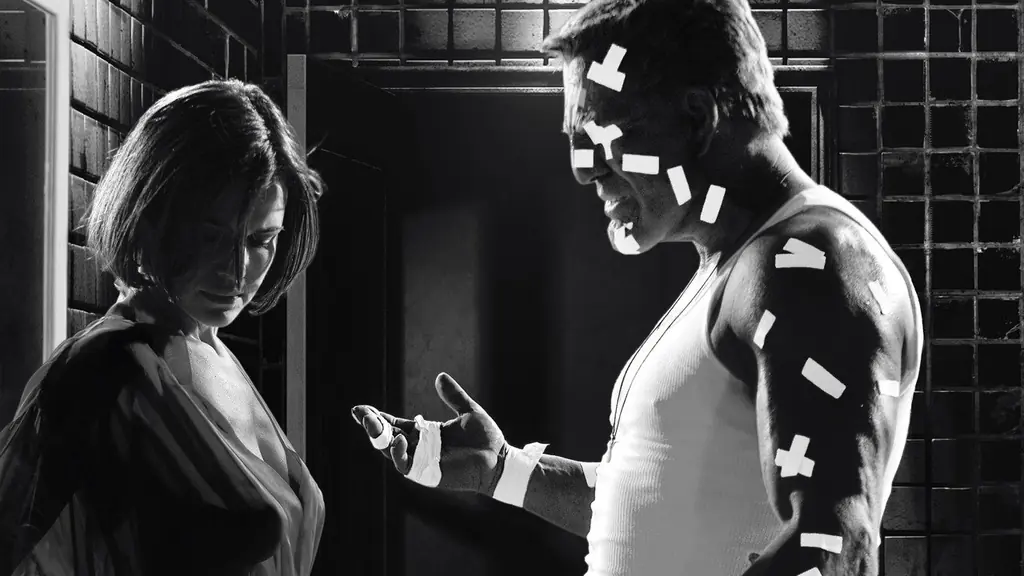
From its striking black-and-white aesthetic, punctuated by splashes of vibrant red blood and occasional bursts of color on characters, Sin City declared itself a "motion graphic novel." This bold approach, where the visual language and even the dialogue mirrored the comic panels, set a new benchmark for fidelity in adaptation. It's even credited with paving the way for other ambitious graphic novel projects, proving that a truly accurate, stylized translation was not only possible but wildly effective.
The Lead Dynamic & The Action
Sin City weaves together three distinct, brutal tales, each centered around a different anti-hero navigating the city's dark underbelly. There's the story of Hartigan, played by Bruce Willis, a detective determined to protect a young girl from a monstrous "yellow bastard." Then there's Marv, brought to life by a transformative Mickey Rourke, a "really hard street guy" on a relentless revenge spree after being framed for the murder of his beloved. Finally, Dwight, portrayed by Clive Owen, finds himself embroiled in a turf war while protecting his girlfriend, played by Brittany Murphy, from her unhinged ex, played by Benicio del Toro, and fighting alongside a formidable group of women.
The unifying thread across these narratives is the pervasive presence of "dames" and the extreme, stylized violence that defines their world. The film is absurdly violent, packed with more "nut shots than an all Johnny Cage combat Fest," yet it's delivered with such a unique visual flair that it becomes part of the film's distinct identity. These three main characters are undeniably badass, each driving their segment with a raw, visceral energy.
Cameos, Nostalgia & Narrative Stakes
The multi-story structure allows for a sprawling, interconnected narrative that feels both expansive and intimate. The film's atmosphere is heavily influenced by the likes of Robert Rodriguez and Quentin Tarantino, with Tarantino even guest-directing a shot, lending his signature touch to the already distinctive style. The dialogue itself is a direct lift from the graphic novel, with characters speaking in an exaggerated, almost theatrical manner—like "an abusive older brother" of Jimmy Stewart.
This highly stylized dialogue, while a direct homage to the source material, can be a point of contention. Some might find the acting "not good," perceiving it as overly dramatic. However, it's an intentional choice, a commitment to paying respect to the graphic novel's unique voice. The film also embraces the surreal, with moments like a severed head talking, which, while explained as happening within a character's mind, might still put off viewers expecting strict realism. Yet, these quirks are integral to the film's identity, reinforcing its status as a direct translation of a comic book world.
Tone, Direction & Creative Freedom
Robert Rodriguez's direction is a masterclass in stylistic commitment. The film's visual palette is its most striking feature: a stark black and white world where blood splatters in vivid reds, yellows, or whites, or sometimes appears as stark silhouettes, exactly as it does in the graphic novel. This consistent, bold aesthetic choice ensures that every frame is a work of art, directly mirroring Miller's distinctive panels.
The creative freedom afforded to the filmmakers is evident in every choice, from the exaggerated dialogue to the unconventional visual effects. It's a movie that doesn't compromise on its vision, embracing its graphic novel roots wholeheartedly. This unwavering dedication to its source material results in a "really exciting stylistic very unique movie" that stands apart from typical adaptations.
The Final Verdict
Is Sin City violent? Absolutely. Is it always cohesive? Not entirely. But is it cool? Entertaining? Featuring genuinely cool, badass characters? Without a doubt. This isn't a film easily compared to others; it's a singular experience that often requires referencing "about five other movies" just to describe its unique blend. It's a movie that holds up remarkably well over time, its segmented stories making it easy to digest in parts or as a full, two-hour-plus "Fest of great sins." For those who appreciate the raw, stylized world of Frank Miller and the bold, uncompromising vision of its directors, Sin City is a definite must-watch and a worthy addition to any collection.
What Worked
- Groundbreaking visual style that faithfully translates the graphic novel to screen
- Three distinct, engaging storylines featuring compelling anti-heroes
- Unapologetically brutal and stylized action sequences
- Strong, memorable performances, particularly from Mickey Rourke as Marv
- Unique dialogue and narrative choices that honor the source material
What Didn't Work
- Exaggerated dialogue and acting style may not appeal to all viewers
- Moments of surrealism (e.g., a talking severed head) can be jarring for some
- Extreme violence might be off-putting for audiences sensitive to gore



