
Introduction
From the moment the lights dim, audiences were primed for a deep dive into the enigmatic past of Snake Eyes. The promise of an origin story, a chance to peel back the layers of a legendary figure, hung heavy in the air. Yet, what unfolds is a narrative that, despite its best intentions, often feels like a missed opportunity, struggling to find its footing amidst a flurry of shaky camera work and a protagonist who tests the limits of audience patience.
The Lead Dynamic & The Action
While the film attempts to build a compelling dynamic between its central figures, the performances of Nicolas Cage and Gary Sinise shine through a script that often feels undercooked. There's a palpable sense of what could have been as these actors deliver their lines with conviction, elevating material that frequently falls flat. However, the action sequences themselves are a source of frustration. The pervasive use of "shaky cam" undermines what should be thrilling martial arts encounters. Instead of allowing the raw skill of the performers to speak for itself, the camera jitters and cuts, leaving viewers disoriented and detached. A truly engaging fight, the kind that leaves you breathless, demands clarity and an appreciation for the choreography, not a dizzying blur.
Cameos, Nostalgia & Narrative Stakes
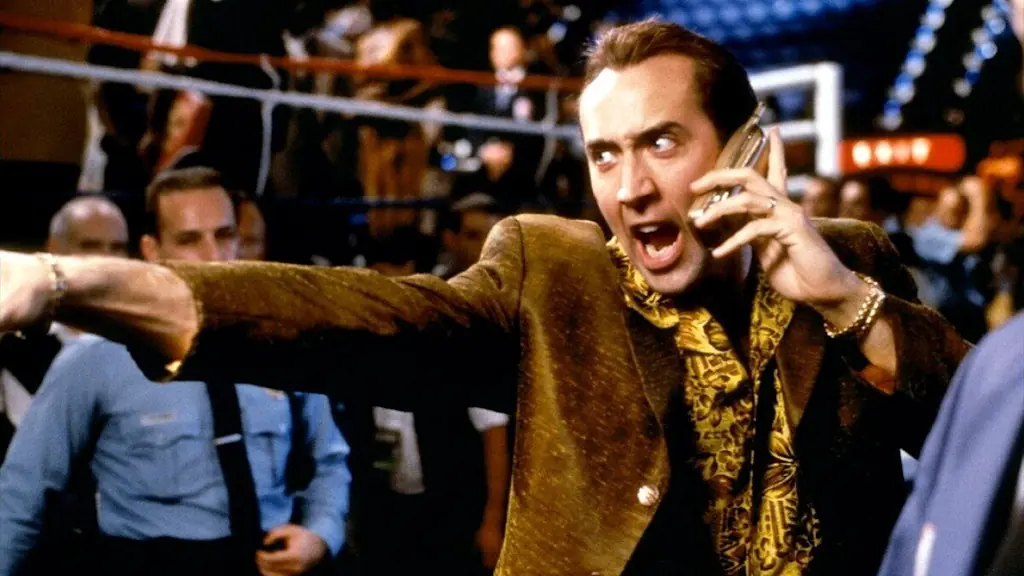
The narrative itself feels less like a bespoke origin story and more like a generic script retrofitted with familiar elements. The reviewer notes a distinct feeling that this wasn't truly a "Snake Eyes" film, but rather a placeholder for other characters. The introduction of a "magical rock" that vaporizes people pushes the boundaries of believability, even for a genre that thrives on heightened reality. This shift into the fantastical feels jarring, especially when juxtaposed with earlier scenes of stealth and martial arts training. Furthermore, the film's protagonist, portrayed by Nicolas Cage, begins and ends as an unlikable figure, a spy who betrays those who offer him hospitality. This makes his eventual "redemption" feel unearned and leaves the audience questioning the moral compass of the story. Adding insult to injury, the film's marketing department managed to spoil not one, but two key plot points, including a mid-credit scene, in the trailer itself, robbing audiences of genuine surprises.
Tone, Direction & Creative Freedom
Under the direction of Brian De Palma, the film struggles with tonal consistency. The shift from grounded martial arts to mystical artifacts feels less like a natural progression and more like a studio mandate to inject "GI Joe" elements into a pre-existing, generic framework. This lack of creative freedom, or perhaps a misjudgment in execution, results in a story that feels both long-winded and ultimately forgettable. The reviewer laments that the film doesn't allow its hero to truly earn his iconic status, instead simply handing it to him without a compelling arc.
The Final Verdict
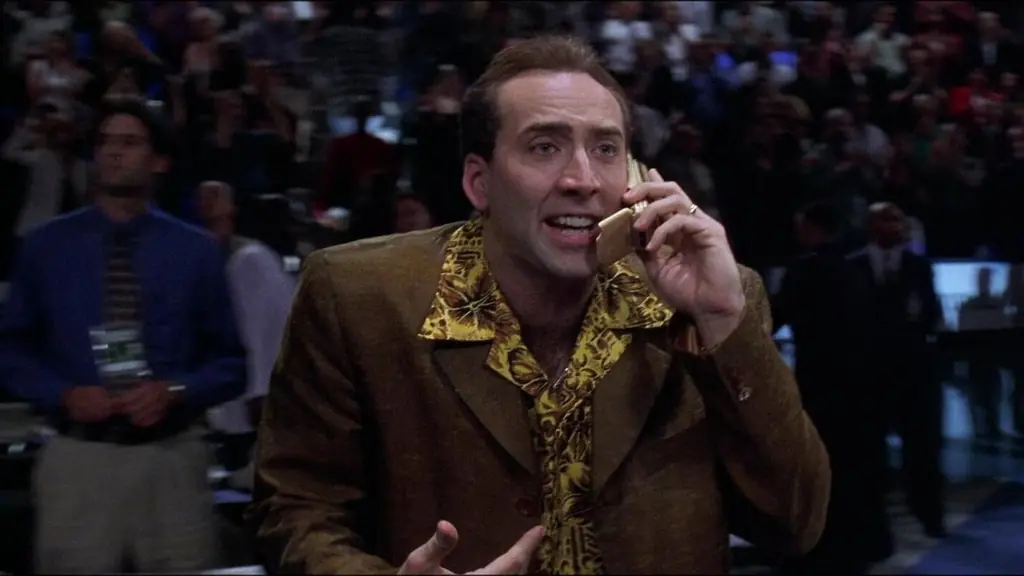
Ultimately, Snake Eyes is a film that leaves much to be desired. Despite commendable efforts from its lead actors, the narrative is plagued by a generic plot, frustrating action cinematography, and a protagonist whose journey feels unearned and unlikable. It's a movie that, for many, will fade from memory almost as quickly as the credits roll.
What Worked
- Commendable efforts from lead actors
- Sympathetic portrayal of Storm Shadow
- Exploration of an iconic character's origins
What Didn't Work
- Excessive shaky cam in action sequences
- Generic plot feeling like a studio retrofit
- Unlikable protagonist with an unearned arc
- Jarring shift to magical elements
- Trailers spoiling key plot points and mid-credit scene



