
Introduction
The name Oliver Stone once heralded cinematic events, a director whose films commanded immediate attention. While that era might have shifted, the subject of his 2016 feature, Snowden, remains as potent and relevant as ever. The film plunges into the true story of [[Edward Snowden]], the former NSA contractor who, in 2013, leaked classified documents exposing the US government's extensive surveillance programs on its own citizens. This was a bombshell revelation, forcing a global conversation about privacy, security, and the very definition of patriotism. The stage was set for a gripping, high-stakes drama, but does the film deliver on the inherent tension of its real-world inspiration?
The Lead Dynamic & The Action
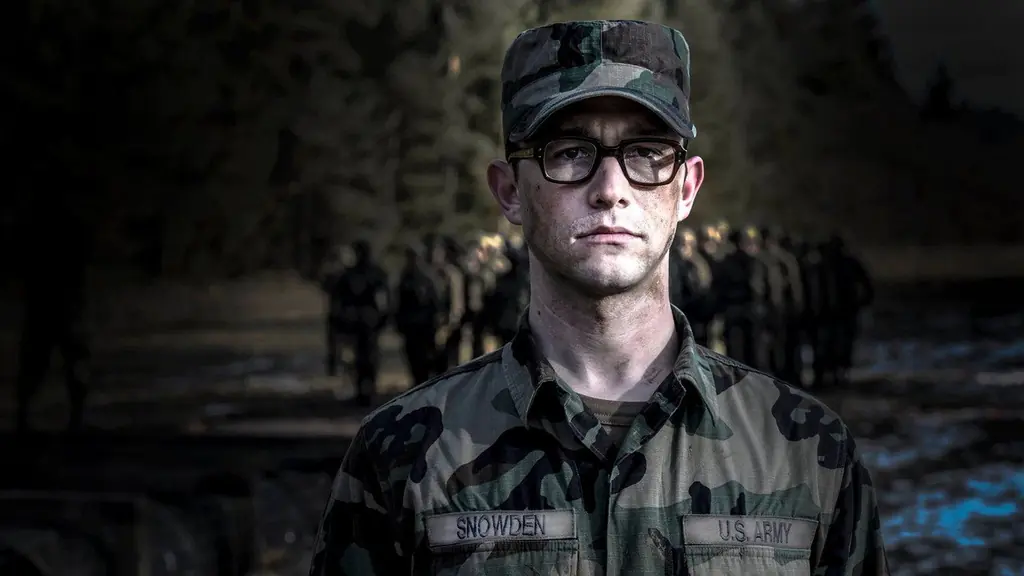
At the heart of Snowden is [[Joseph Gordon-Levitt]]'s portrayal of the titular whistleblower, a performance that anchors the narrative. However, it's [[Shailene Woodley]] as Lindsay Mills who truly shines, delivering what many consider her strongest acting to date. She transcends her previous roles, bringing depth and authenticity to a character grappling with the immense pressure and secrecy of her partner's life. The film effectively illustrates the profound personal cost of a job steeped in classified information. The constant need for discretion, the inability to confide even in a spouse, inevitably compromises relationships, fostering paranoia and ultimately taking a heavy toll on an individual's well-being. It's a stark reminder of the human element behind the headlines.

Cameos, Nostalgia & Narrative Stakes
The core strength of Snowden lies in the profound questions it compels its audience to confront. The film masterfully frames the central dilemma: what truly constitutes loyalty to one's country? Is it unwavering allegiance to the government, or a deeper commitment to the citizens it purports to serve? The narrative leans heavily into the latter, echoing sentiments like those famously expressed in "V for Vendetta": "People should not be afraid of their governments. Governments should be afraid of their people." This perspective underscores the film's argument for accountability, suggesting that even if [[Edward Snowden]]'s actions are viewed as controversial, they stemmed from a belief that the government had lost its way, operating without the necessary oversight. The film posits that many questionable actions, even those with good intentions, can spiral out of control, leading to a system where, much like a corrupt cop, the government believes it "can do whatever the f*** we want."
Tone, Direction & Creative Freedom
While the thematic weight of Snowden is undeniable, its execution often struggles with pacing. Clocking in at two hours and twenty minutes, the film frequently moves at a snail's pace, leaving viewers yearning for a quicker tempo. The reviewer noted that an extra twenty minutes could have easily been trimmed, suggesting a more concise edit would have significantly improved the viewing experience. While the journey of [[Edward Snowden]]'s rise through the ranks of the NSA is inherently interesting, the film struggles to maintain consistent engagement throughout its lengthy runtime. This challenge is not uncommon for biopics, but for a story with such high stakes and real-world impact, the expectation was for a more consistently gripping narrative. The film, despite its important subject matter, sometimes feels less compelling than a concise interview with the real [[Edward Snowden]].
The Final Verdict
Snowden is a film that demands attention for the crucial conversations it sparks about government power, individual liberty, and the true meaning of patriotism. It's a story that absolutely deserves to be told, and Oliver Stone brings it to the screen with a clear point of view. While the film's deliberate pacing and extended runtime occasionally detract from its overall impact, the powerful performances, particularly from [[Shailene Woodley]], and the vital questions it raises make it a worthwhile, if sometimes challenging, watch. It's a film that will leave you reflecting long after the credits roll, prompting you to consider where your own loyalties lie.
What Worked
- Raises crucial questions about government loyalty and citizen rights.
- Features a standout performance from [[Shailene Woodley]].
- Highlights the intense personal toll of working with classified information.
- Tells an important and relevant true story.
What Didn't Work
- Suffers from significantly slow pacing.
- Overly long runtime, could benefit from editing.
- Struggles to maintain consistent viewer engagement.
- The central character's journey, while important, isn't always compellingly dramatized.



