Introduction
The anticipation for Spectre was palpable, following the critical and commercial triumph of Skyfall. Audiences were eager to see where Daniel Craig's James Bond would go next, especially with the promise of uncovering the shadowy organization that has plagued his past. From the very first frame, the film promised a visually stunning ride, setting expectations sky-high for what could have been the definitive Bond adventure.
The Lead Dynamic & The Action
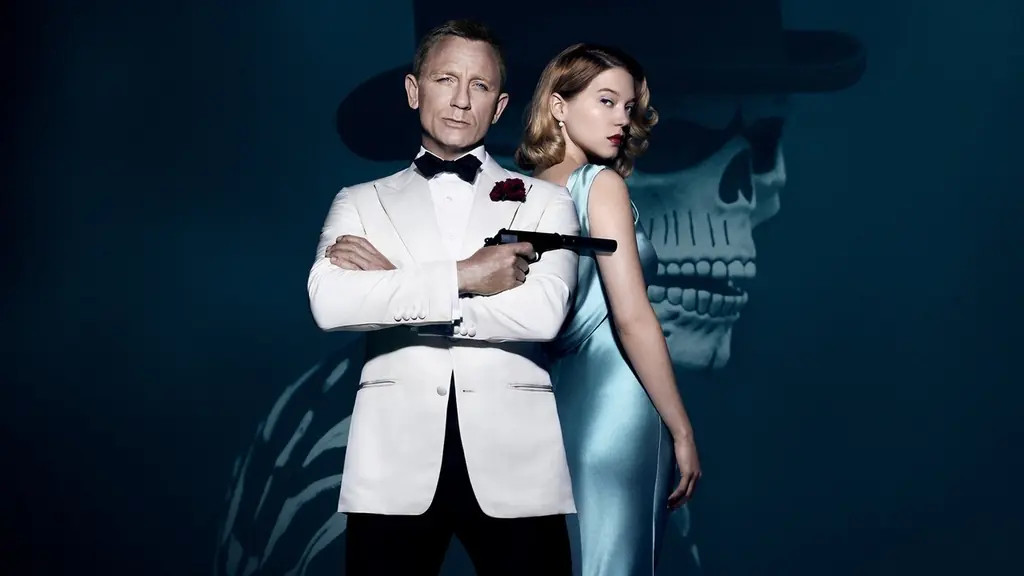
Right from the get-go, Spectre announces its visual prowess. The opening tracking shot alone is a masterclass in filmmaking, immediately signaling that this is one of the most exquisitely shot Bond films ever. Director Sam Mendes ensures that the action sequences are not just well-choreographed but also incredibly clear and impactful, avoiding the dreaded shaky-cam to deliver exciting, suspenseful, and genuinely dirty fights. When bottles shatter over heads or bodies crash through tables, the sound design ensures every blow feels visceral and real. Daniel Craig once again proves why he stands among the best to ever embody James Bond, bringing his signature grit and intensity to the role. The Bond girl, portrayed by Léa Seydoux, also holds her own; she's a solid presence, capable and intelligent, far from a damsel in distress.
Cameos, Nostalgia & Narrative Stakes
However, even the most stunning visuals can't entirely mask narrative missteps. The casting of Christoph Waltz as the main villain, Blofeld, should have been a guaranteed home run. Yet, the film tragically underutilizes his immense talent, relegating him to a mere three scenes. Instead of showing his villainy and impact, the narrative constantly tells us how formidable he is, relying on past deeds rather than present menace. This leaves the audience feeling like they're listening to a pathetic 40-year-old still bragging about high school glory days. The 'paper trail' Bond follows to uncover Spectre isn't particularly engaging, feeling like basic spy fare that a truly great villain could have elevated. Furthermore, a significant subplot involving MI6's potential annexation by a new 'information is key' government agency feels like a direct lift from Mission: Impossible – Rogue Nation, distracting from the core Spectre narrative and further diluting the villain's development. What could have been a deeply personal journey for Bond ultimately feels superficial, breezing past moments that deserved more exploration.
Tone, Direction & Creative Freedom
Despite these narrative stumbles, Sam Mendes's direction maintains a consistent, high-quality tone. The film looks incredible, with every frame meticulously composed. The visual storytelling is consistently strong, ensuring that even when the plot meanders, the cinematic experience remains captivating. The creative freedom in crafting these stunning visuals and gritty action sequences is evident, even if the script doesn't always match the ambition of the direction.

The Final Verdict
Ultimately, Spectre offers enough to enjoy, primarily thanks to Daniel Craig's commanding presence and some truly fantastic action sequences. It's an interesting enough movie, and certainly a significant step up from Quantum of Solace. However, it never quite reaches the heights of its predecessors, Casino Royale or Skyfall, largely due to its squandered villain and a somewhat uninspired plot. While the James Bond universe itself is often enough to draw audiences in and make them tolerate some 'sloppy writing,' this entry leaves one wondering if it would hold up as well without the iconic character. Still, for fans of the franchise and those seeking a visually rich action spectacle, Spectre delivers a good time, no alcohol required.
What Worked
- Breathtaking cinematography, especially the opening tracking shot.
- Gritty, impactful, and well-choreographed action sequences.
- Daniel Craig's consistently strong performance as James Bond.
- Capable and well-acted Bond girl.
- Visually stunning direction by Sam Mendes.
What Didn't Work
- Severely underutilized and wasted villain (Christoph Waltz).
- Uninspired and unengaging "paper trail" plot.
- Distracting and derivative MI6 subplot.
- Lacks the promised depth in Bond's personal journey.