
Introduction
Before the age of constant social media leaks and instant trailer drops, the anticipation for Sam Raimi's Spider-Man was a different beast entirely. Picture this: July 2001, a packed cinema, and a trailer that drops jaws. It opens with a bank robbery, a helicopter caught in a web, and then the reveal – "Oh my god, it's f***ing Spider-Man!" This was the raw, unadulterated excitement that greeted audiences, a moment so impactful the trailer had to be pulled due to the unfortunate presence of the Twin Towers. For many, this film felt like a dream that almost didn't happen, navigating production hell and even a flirtation with James Cameron at the helm. But when it finally swung into theaters in 2002, it didn't just meet expectations; it shattered them, becoming the highest-grossing opening weekend film of its time. What Sam Raimi achieved here was nothing short of miraculous: he absolutely nailed the tone of Spider-Man, delivering a 90s comic book sensibility that, despite its occasional "cheese," never once compromises the sheer enjoyment of the adventure.
The Lead Dynamic & The Action
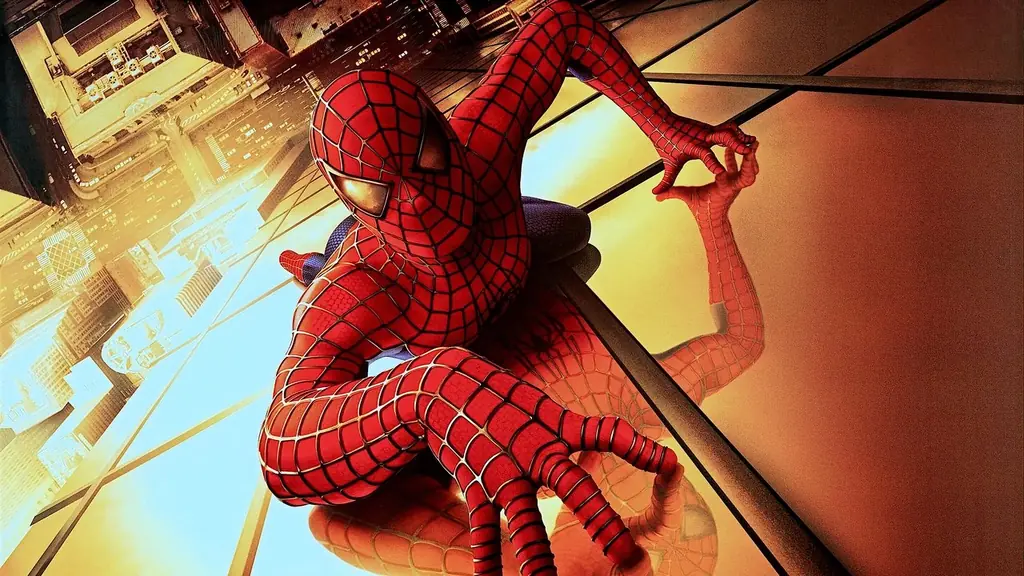
Spider-Man didn't just entertain; it redefined what a comic book movie could be, setting a new benchmark for excitement. While some of the early 2000s CGI might appear a little dated today, the experience of seeing Spider-Man swinging through the concrete canyons of New York City was, at the time, utterly next-level. It was an unprecedented visual spectacle that transported audiences directly into the hero's world. Interestingly, Peter Parker doesn't don the iconic suit until about an hour into the film, a narrative choice that works brilliantly here, allowing ample time to establish the crucial friendship triangle between Peter, Harry Osborn, and Mary Jane Watson.
While Mary Jane's role as a frequent "damsel in distress" has drawn criticism, the film leverages this for genuine tension, particularly in the harrowing scenes with the Green Goblin. Tobey Maguire's portrayal of Peter Parker and Spider-Man is solid, capturing the character's earnestness, even if some of his dialogue occasionally feels a touch clunky. However, the true standout performance belongs to Willem Dafoe as Norman Osborn. He was born to play this role, delivering a performance of chilling perfection. Despite a widely criticized helmet design for the Green Goblin, Dafoe's commitment, the character's motivations, and the sheer menace he exudes make the cosmetic gripe irrelevant. His scenes as Norman battling his inner Goblin are particularly captivating, and his chilling declaration to Spider-Man that "no matter how much you've done for them eventually they will hate you" resonates with profound truth. Moments like the cop letting Spider-Man enter a burning building to save lives are pure, unadulterated superhero magic.
Then there's J.K. Simmons as J. Jonah Jameson. His casting is nothing short of divine inspiration. Simmons doesn't just play the character; he embodies him, bringing a fast-talking, hilarious, yet surprisingly nuanced portrayal that never overcooks the comedy. He even subtly hints at a deeper care for his employees, including Peter Parker. The film also benefits from the grounded presence of Cliff Robertson as Uncle Ben and Rosemary Harris as Aunt May, anchoring Peter's personal life.
Cameos, Nostalgia & Narrative Stakes
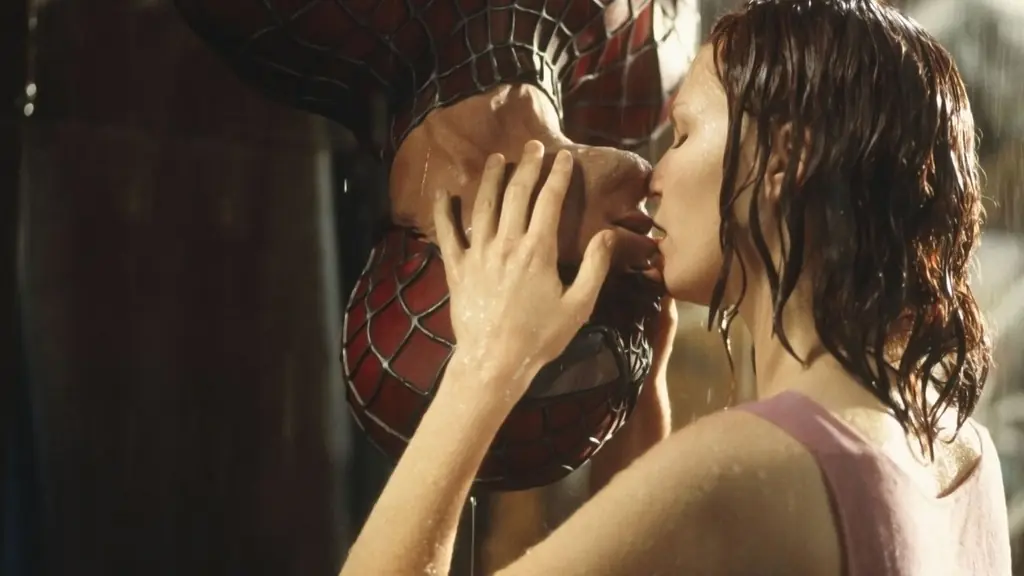
Spider-Man masterfully balances fan service with genuine narrative progression. The film is peppered with delightful nods, such as the Daily Bugle crew and an early Easter egg hinting at "Eddie" (Brock), sparking dreams of future villains. Crucially, the movie excels at setting up the intricate tensions that would define the subsequent films. The dynamic between Spider-Man and Harry Osborn, and the ongoing saga of Peter Parker and Mary Jane, are meticulously established. The filmmakers' vision for a cohesive trilogy was clear from the outset, laying the groundwork for Harry's eventual transformation into the Green Goblin with a confidence that resonated deeply with audiences.
Tone, Direction & Creative Freedom
Sam Raimi's direction is the beating heart of this film. He understood the essence of Spider-Man, delivering a tone that is both earnest and exhilarating. The film embraces a certain "90s comic book cheese" without ever letting it detract from the core story or the audience's enjoyment. This wasn't a movie trying to emulate the gravitas of Superman or the darkness of Batman; it was unapologetically trying to be Spider-Man, and it succeeded spectacularly. Raimi's clear vision not only delivered a satisfying standalone adventure but also expertly paved the way for a compelling trilogy, demonstrating a creative freedom that allowed the film to truly soar.
The Final Verdict
Even with some visual effects that have aged and minor narrative quibbles, Spider-Man remains an "awesome-tacular" achievement. It's a heartfelt coming-of-age story that sees Peter Parker grapple with newfound powers and the immense responsibility of confronting a villain who is inextricably linked to his personal life. This film was, and still is, the definitive answer for many who wanted to show others "why I love Spider-Man." Its impact on the superhero genre is undeniable, and its charm, emotional depth, and thrilling action ensure its place as a beloved classic that stands the test of time.
What Worked
- Authentic capture of classic Spider-Man tone and spirit.
- Willem Dafoe's compelling and iconic Green Goblin.
- J.K. Simmons' pitch-perfect J. Jonah Jameson.
- Groundbreaking action sequences and web-slinging visuals for its era.
- Heartfelt coming-of-age story with strong emotional stakes.
- Danny Elfman's instantly classic musical score.
What Didn't Work
- Some CGI elements appear dated by today's standards.
- Peter Parker's scientific intellect is underplayed.
- Mary Jane's character often relegated to "damsel in distress."
- The Green Goblin's helmet design was a missed opportunity.



