Introduction
Before the slew of imitators and the "inferior sequels," there was the original: Taken. This 2008 action-thriller, directed by Pierre Morel, burst onto the scene with a trailer that hinted at something good, but the final product proved to be far better than anticipated. It's a film that keeps its foot on the gas, delivering a consistently engaging experience from start to finish. In a world often overcomplicating its narratives, Taken stands out for its masterful use of simplicity, turning a straightforward premise into a compelling, "completely badass" cinematic event.
The Lead Dynamic & The Action
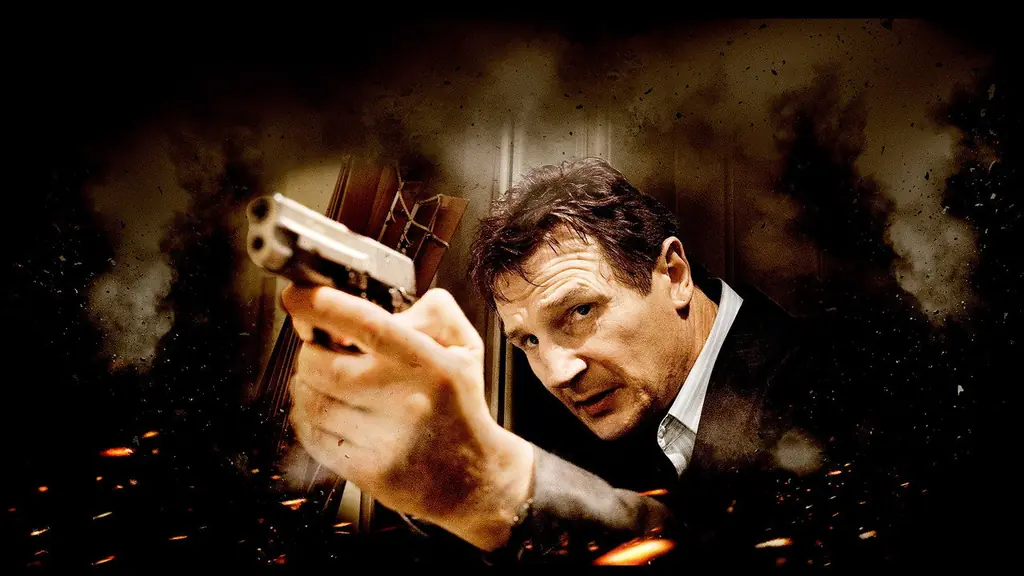
At the heart of Taken is Liam Neeson as Bryan Mills, a retired CIA operative whose daughter, Kim (Maggie Grace), is kidnapped in Paris. The film wastes no time establishing the family dynamic and Mills's underlying paranoia about his daughter's safety. This isn't just any dad; from the moment he warns Kim about the dangers, it's clear he possesses a "particular set of skills" far beyond door-to-door vacuum sales. The movie's pivotal moment, arguably its most important, is the iconic phone call. Mills gives the kidnapper a stark warning: "If you let my daughter go now, that'll be the end of it. But if you don't, I will look for you, I will find you, and I will kill you." The kidnapper's arrogant dismissal of this warning doesn't just escalate the stakes; it fundamentally shifts the film's dynamic. It transforms a generic rescue mission into a deeply personal vendetta, ensuring the audience is unequivocally on Mills's side. Cinema law, as it were, dictates that the bad guys must be punished for ignoring such a profound warning, and Taken delivers on that promise with relentless precision. The pacing is excellent, quickly moving from setup to Liam Neeson's brutal, efficient pursuit, littering the path with bodies.
Cameos, Nostalgia & Narrative Stakes
The narrative of Taken is beautifully simple: a dad goes to get his daughter back. This simplicity is its strength, allowing the film to focus on execution rather than convoluted plot points. It's the ultimate "I told you so" movie, as Mills's initial paranoia about his daughter's vulnerability is tragically validated the moment he lets his guard down. The film effectively uses the heinous nature of the villains—kidnappers and traffickers of women—to justify Mills's brutal actions, but the phone call adds a layer of personal affront that elevates the emotional stakes. However, even in its near-perfect execution, the film occasionally falls into a common movie trope: the bad guys, instead of simply eliminating their threat, choose to tie up and monologue to Liam Neeson, conveniently allowing him to escape. This minor contrivance is one of the few moments where the film feels like it's "doing that movie thing," but it's a small blip in an otherwise tightly constructed plot.
Tone, Direction & Creative Freedom
Pierre Morel's direction maintains a consistent, urgent tone throughout. The film never feels too long or drags its feet; it's just the right length to tell its story effectively. For what it sets out to achieve—a pure, simple revenge flick driven by primal motivations—its execution is perfect. Taken became a benchmark, arguably paving the way for a resurgence in the revenge genre, influencing films like "John Wick." It redefined Liam Neeson as an action star, leading to a slew of post-Taken action roles. Yet, none of those subsequent films, nor its own sequels, ever quite captured the raw, glorious impact of the original. This film is a testament to how a clear vision and focused storytelling can create a truly memorable and impactful cinematic experience.
The Final Verdict
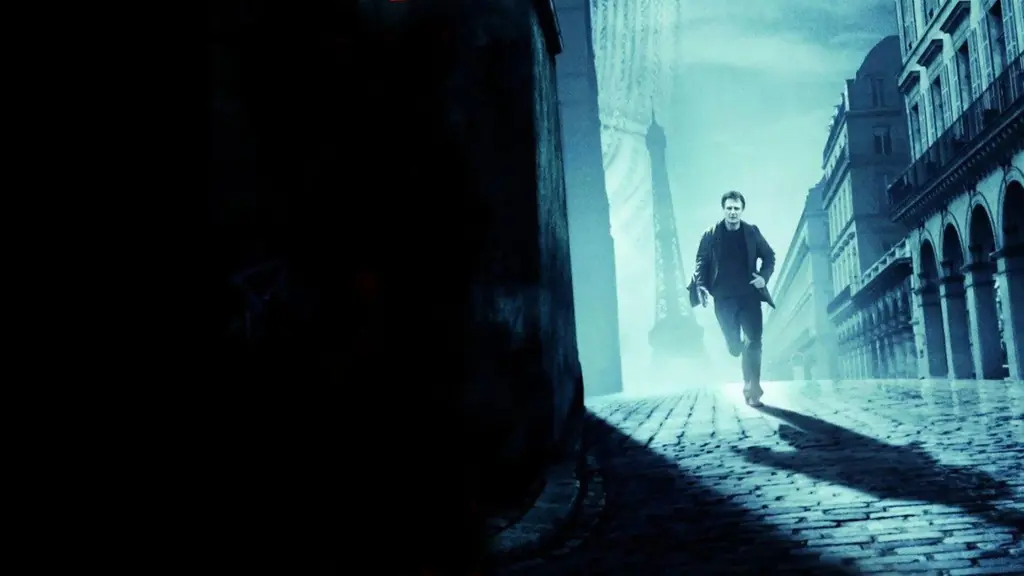
Taken remains an "awesome-tacular" experience that holds up remarkably well on re-watch. It's a film that delivers on its promise of relentless action and visceral satisfaction. While not entirely flawless, its perfect execution within its genre makes it an undeniable standout. This is a movie that leaves audiences walking out of the theater feeling like they've just witnessed something truly badass, solidifying its place as a modern action classic.
What Worked
- Iconic, chilling phone call monologue
- Relentless pacing and efficient storytelling
- [[person:3896|Liam Neeson]]'s compelling transformation into an action hero
- Simple, pure motivations driving the plot
- Influential in revitalizing the revenge action genre
What Didn't Work
- Occasional reliance on generic villain tropes (monologuing instead of killing)
- Subsequent films in the genre and sequels never quite matched its impact