Introduction
Tenet arrived with the weight of expectation, a new mind-bending thriller from Christopher Nolan. The trailers promised a dizzying dance with inverted time, a concept that had audiences buzzing. Yet, as often happens, the marketing machine proved to be a master of misdirection, showcasing elements that weren't always front and center. What initially appeared to be a relentless inversion spectacle quickly reveals itself as something else entirely: Nolan's ambitious take on the classic spy thriller.
The Lead Dynamic & The Action
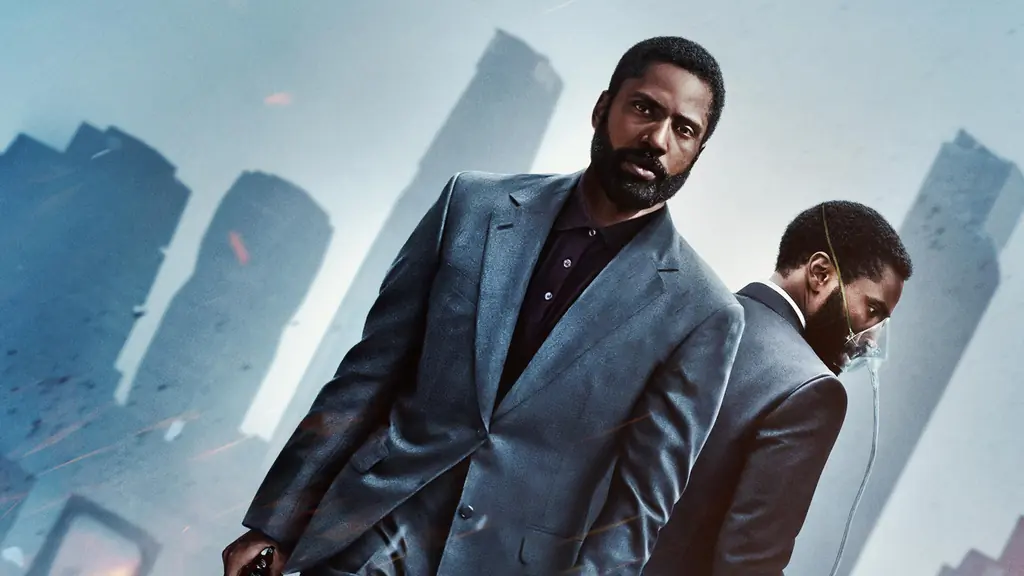
At its core, Tenet is a spy movie, albeit one with a unique twist. The narrative follows the Protagonist, played by John David Washington, as he navigates a complex world alongside the enigmatic Neil, portrayed by Robert Pattinson. While the film's setup can feel like a convoluted mess, the core concept of "inversion"—where objects and people move backward through time—is surprisingly accessible. Nolan manages to make this high-concept idea understandable, even as the simpler elements of world-building and character relationships become a tangled web. The action sequences are where the film truly shines, with moments like the "hallway fight scene" standing out as a wild, intriguing spectacle that leaves viewers wondering how it was even accomplished.
Cameos, Nostalgia & Narrative Stakes
The film's initial hours are a whirlwind of exposition and intricate plotting, feeling less like a straightforward spy mission and more like a complex heist. The Protagonist's journey to stop the nefarious Andrei Sator, played by Kenneth Branagh, involves navigating a labyrinth of contacts and breaking into secure locations. This dense setup, while establishing the stakes, can be a challenging watch, leading to a sense that crucial information might have been trimmed from an even longer cut. The narrative prioritizes intricate mechanics over immediate emotional connection, demanding patience from its audience.
Tone, Direction & Creative Freedom
Christopher Nolan consistently delivers unique cinematic experiences, a refreshing change in an era dominated by remakes and sequels. Tenet is no exception, pushing boundaries and aiming to leave audiences with a feeling they haven't encountered before. However, the film isn't without its technical quirks. A recurring issue with Nolan's films, particularly regarding sound mixing, surfaces here. Dialogue can occasionally be obscured by background effects or the score, leaving some viewers straining to catch every word. Despite these minor frustrations, the sheer ambition and imaginative scope of the film are undeniable, making one yearn for a "making of" documentary to unravel its many mysteries.

The Final Verdict
While Tenet might test patience with its initially convoluted setup, it ultimately delivers an exhilarating and imaginative experience. The film truly hits its stride in its second half, transforming from an "enjoyable enough spy movie" into something genuinely amazing. It's a testament to Nolan's vision that even with its flaws, the film leaves a lasting impression, proving to be a good time that warrants a rewatch—especially for that incredible latter half.
What Worked
- Christopher Nolan's unique and imaginative vision
- The thrilling and "amazing" second half
- Accessible explanation of the inversion concept
- Incredible, mind-bending action sequences like the hallway fight
- A refreshing original story in a sea of remakes
What Didn't Work
- Convoluted and choppy setup in the first half
- Misleading trailer that over-revealed key plot points
- Occasional issues with sound mixing obscuring dialogue
- Long runtime with a slow initial pace