Introduction
When the idea of a "Tetris movie" first surfaced, many might have envisioned a pixelated alien invasion akin to Pixels. Instead, Tetris delivers a surprisingly engaging biopic, chronicling the high-stakes journey of the iconic game from behind the Iron Curtain of the USSR to the global stage. Directed by Jon S. Baird and starring Taron Egerton, this film is far more than a simple origin story; it's a Cold War business thriller that defies expectations.
The Lead Dynamic & The Action
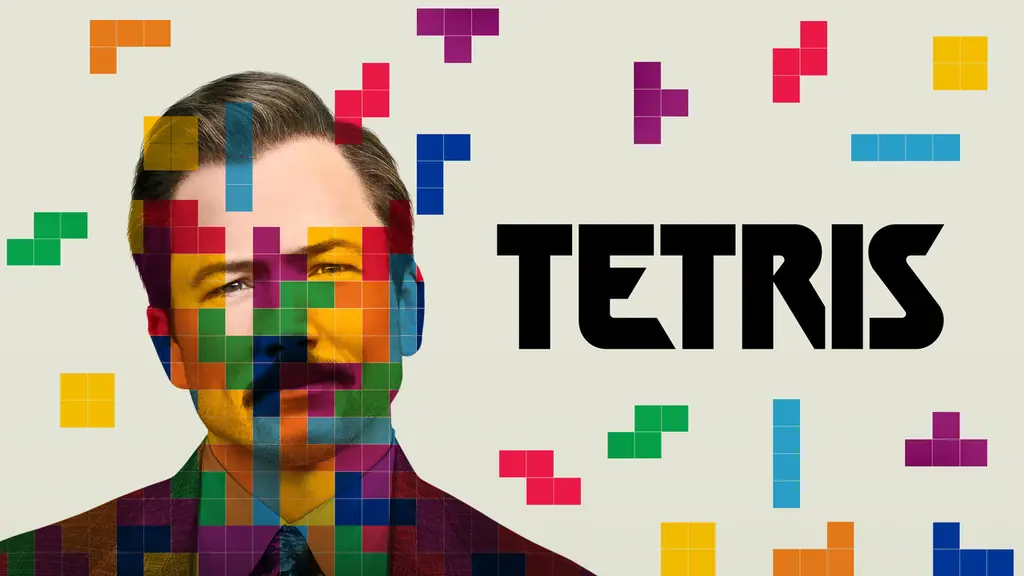
From its opening frames, Tetris moves at a rocket's pace, immediately immersing viewers in the frantic world of its protagonist. Taron Egerton embodies the determined salesman on a vision quest, betting his house on bringing the game to the world. The film cleverly uses a dynamic, sprite-based pixel presentation, reminiscent of Scott Pilgrim vs. the World, to navigate various locations and introduce key players. This visual flair, particularly the sprite representations, instantly clicks with the gamer in all of us, making complex setups digestible and fun. While the initial information dump feels substantial, it meticulously lays the groundwork for the thrilling events that follow, especially once the action shifts to Russia. The film boasts a truly great car chase sequence, a nail-biting affair that keeps audiences on the edge of their seats.
Cameos, Nostalgia & Narrative Stakes
What begins as a lighthearted historical account quickly evolves into a fascinating business film with undeniable spy thriller elements. The narrative plunges into the intense atmosphere of 1980s Cold War Russia, where the protagonist finds himself isolated, navigating treacherous deals against powerful adversaries. The film masterfully portrays an underdog story, pitting one good-hearted individual against "large billionaire douchebag corporations" and the formidable KGB. Despite the audience knowing the ultimate outcome – that Tetris did indeed conquer the world – the film maintains a gripping tension, making every twist and turn feel genuinely impactful. The integration of the Game Boy's role in Tetris's global rise is a neat touch for gamers, but the film's universal appeal ensures that even those not deeply invested in video game history will be captivated by this high-stakes "arms race of video games."
Tone, Direction & Creative Freedom
Jon S. Baird's direction shines in its ability to balance disparate tones without ever feeling disjointed. The movie seamlessly transitions from lighthearted, enjoyable moments to intense, nail-biting Cold War espionage. It's a rare feat for a film to maintain such tonal consistency while exploring such a wide emotional range, always feeling like a singular, cohesive experience. The isolation felt by the protagonist in a country that "hates your guts" is palpable, adding layers of tension to his mission. The film's reverence for the game is evident, not just in its narrative but also in its incredible music. The iconic Tetris theme, a Russian tune predating the game, is woven throughout the score with various compelling variations, sometimes mixed with 80s music, enhancing the film's unique atmosphere. However, one minor misstep occurs during the otherwise fantastic car chase, where an abrupt shift to Game Boy-style pixelization and overhead views momentarily pulls the viewer out of the immersive action. In this instance, less visual embellishment would have been more effective.

The Final Verdict
Tetris is a surprisingly robust and entertaining ride. It’s a film that takes a familiar subject and imbues it with unexpected depth, tension, and genuine fun. For anyone seeking a biopic that transcends its subject matter, a thrilling Cold War drama, or simply a well-told underdog story, this film is an absolute must-watch. It's a testament to the power of a good story, proving that even a game about falling blocks can inspire a truly captivating cinematic experience.
What Worked
- Surprisingly engaging and fun Cold War biopic
- Masterful balance of lighthearted and intense tones
- Gripping underdog story against powerful adversaries
- Clever use of sprite-based pixel presentation for setup
- Incredible and varied use of the iconic Tetris theme music
- A truly great and nail-biting car chase sequence
What Didn't Work
- Initial setup felt a bit information-heavy
- Overuse of pixelization during the car chase was distracting