Introduction
The world watched in captivated horror as news broke of 33 miners trapped deep beneath the Chilean earth. The real-life saga of survival and an international rescue effort was ripe for cinematic adaptation, and The 33 arrived with the weight of expectation. Audiences anticipated a gripping, visceral account of human endurance. However, from its opening frames, a distinct "made-for-TV" vibe permeates the experience, a feeling that, unfortunately, never truly dissipates.
The Lead Dynamic & The Action
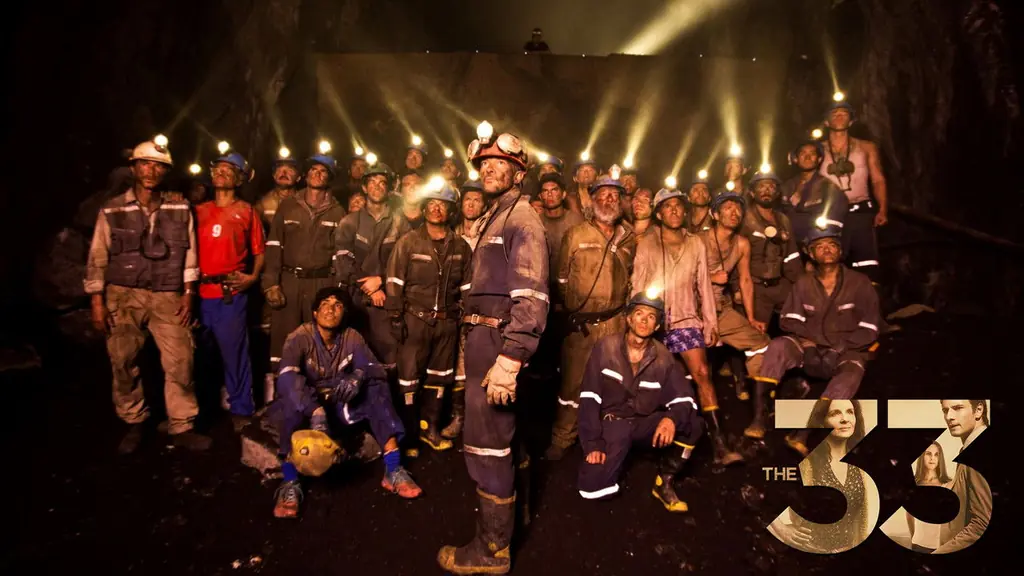
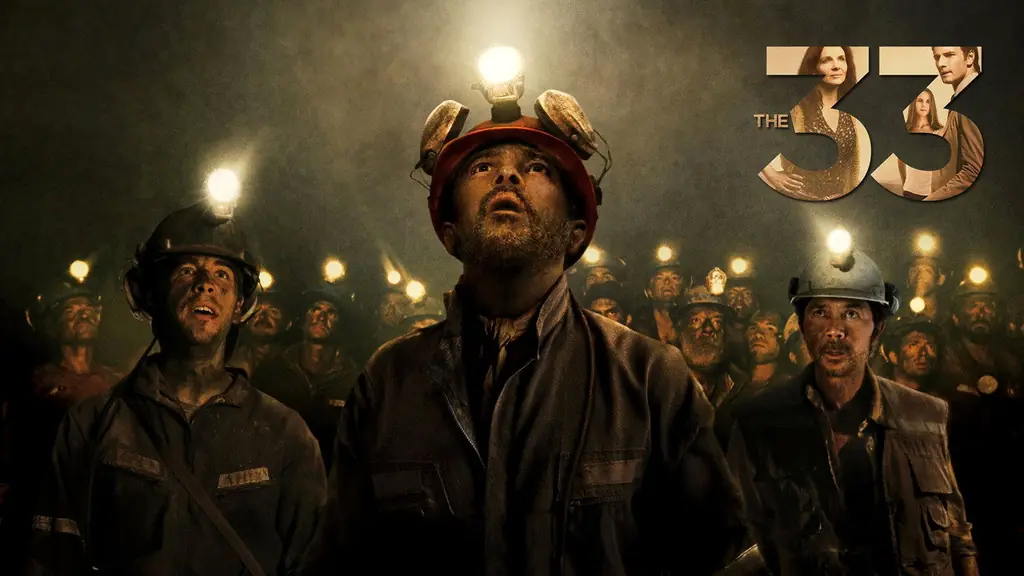
Despite this pervasive aesthetic, the film does find its footing in moments of genuine human connection. The bond between the trapped miners, facing starvation and dwindling hope, forms the emotional core. While performances from actors like Antonio Banderas and Rodrigo Santoro are certainly serviceable, they don't quite reach career-defining heights. The film effectively conveys the raw frustration and irritability that naturally arises from such a dire situation, yet it wisely frames these conflicts as situational rather than personal animosity. It's in these quiet, desperate interactions, fueled by meager rations of tuna fish, that The 33 truly finds its heart.
Cameos, Nostalgia & Narrative Stakes
Where The 33 stumbles significantly is in its attempts at levity and narrative embellishment. A particularly jarring sequence involves the miners envisioning elaborate meals while consuming their last tuna, culminating in one character awkwardly offering "fresh milk" from a hallucinated cow. This forced humor completely kills the mood, undermining the very real stakes of their predicament. Even more perplexing is a side plot involving a married miner and his mistress, whose bickering feels utterly out of place. While biopics often take liberties, this subplot feels like an ill-conceived attempt at drama, distracting from the central, harrowing story of survival. It's a clear misstep in tone and execution, pulling focus from the true human drama unfolding underground.
Tone, Direction & Creative Freedom
Patricia Riggen directs a film that, while competently shot, struggles to shake off its small-screen feel. The overall production quality, despite its theatrical release, consistently evokes the impression of a television movie scaled up for the big screen. It's reminiscent of classic "disaster of the week" TV films, albeit with a larger budget and more recognizable faces. While it aims for a grander scope, the execution often feels constrained, preventing it from achieving the cinematic gravitas its subject matter deserves. The film's inability to transcend this "made-for-TV" aesthetic is its most significant creative limitation.
The Final Verdict
Ultimately, The 33 is a serviceable film that delivers on its promise of hope and humanity in the face of disaster. It's a neat rescue story, showcasing people's efforts to save one another. However, its persistent "made-for-TV" feel, coupled with awkward attempts at humor and a distracting subplot, prevent it from becoming a truly impactful cinematic experience. While it offers moments of genuine emotion, it's difficult to justify paying full ticket price for a film that feels more suited for a casual home viewing. For those seeking a straightforward, emotional survival tale, it might hit the mark, perhaps even better with a relaxed, uncritical mindset.
What Worked
- Captures the emotional bond and frustration of the trapped miners.
- Features moments of genuine heart and human connection.
- Serviceable performances from the ensemble cast, including [[person:3131|Antonio Banderas]].
- A compelling true story of hope and humanity.
What Didn't Work
- Persistent "made-for-TV" aesthetic undermines cinematic impact.
- Awkward and mood-killing attempts at humor.
- Distracting and poorly executed mistress subplot.
- Not considered worth full theatrical ticket price.