
Introduction
In an entertainment landscape increasingly dominated by sleek, often indistinguishable CGI, the arrival of The Boxtrolls in 2014 was a welcome, if slightly unconventional, event. This stop-motion animated feature, a true labor of love, promised a return to a tactile, handcrafted aesthetic, harkening back to a bygone era of filmmaking. It offered a refreshing counterpoint to the digital sheen, suggesting a narrative that wasn't afraid to be a little rough around the edges, much like the titular characters themselves. Audiences were primed for a unique visual experience, and while the initial journey might have tested some patience with its deliberate build-up, the film ultimately delivers a distinct charm and a surprisingly subversive edge that lingers long after the credits roll. It's the kind of movie that, much like beloved childhood classics, might just "mess kids up a little bit" – in the best possible way.
The Lead Dynamic & The Action
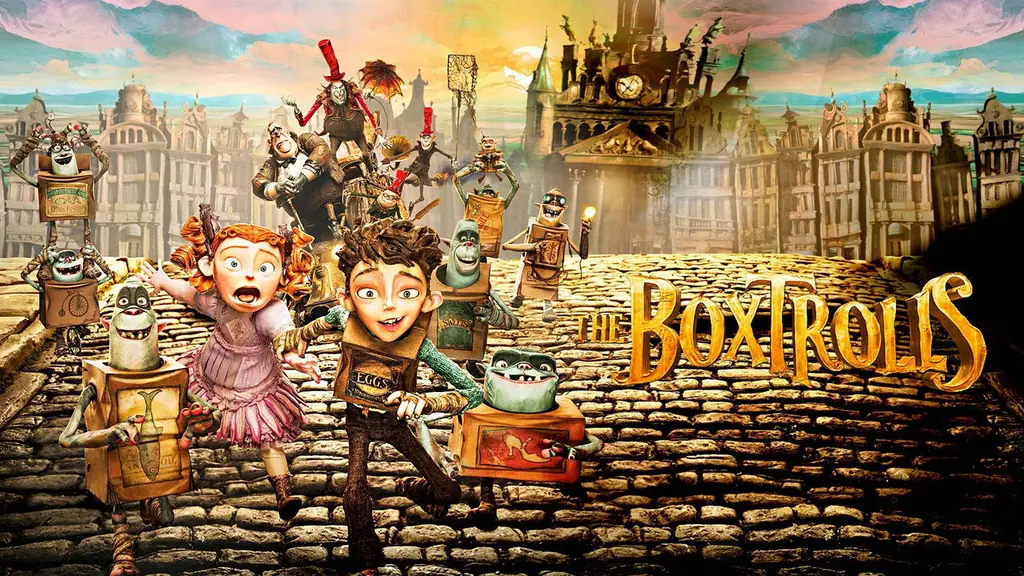
The narrative plunges us into the whimsical yet somewhat squalid world of the Boxtrolls, sewer-dwelling creatures who emerge at night to collect discarded trinkets from the human world. Their existence is constantly threatened by the cheese-obsessed upper crust of Cheesebridge and, more directly, by the truly "gross and messed-up" villain, Archibald Snatcher, brought to life with sinister relish by the voice of Ben Kingsley. Snatcher's singular ambition to join the town's elite drives his relentless, often disgusting, pursuit of the Boxtrolls. Amidst this conflict is Eggs, voiced by Isaac Hempstead Wright, a human boy raised by the Boxtrolls, who becomes the unlikely bridge between these two disparate worlds. The film masterfully embraces a "dirty but fun" aesthetic, where the concepts and characters are delightfully unpolished, offering a refreshing contrast to overly sanitized children's fare. The Boxtrolls themselves, with their endearing grunts and inventive contraptions, quickly win over the audience, making their plight genuinely felt. The action sequences, particularly in the latter half, are inventive and engaging, showcasing the unique possibilities of stop-motion animation.
Cameos, Nostalgia & Narrative Stakes
While the first half of The Boxtrolls admittedly takes its time, building its unique world and characters at a deliberate pace, the narrative truly ignites in its second act. What initially feels like a slow burn quickly transforms into an exciting and engaging adventure, culminating in a "really exciting" last act. The film subtly but effectively weaves in a social commentary, presenting a clear metaphor for class struggle between the misunderstood, subterranean Boxtrolls and the privileged, oblivious townspeople above. This depth, combined with genuinely smart humor that hits well, elevates the film beyond simple slapstick. It’s a movie that doesn't shy away from being a bit "messy" or even "gross" in its concepts and character designs, echoing the beloved, slightly disturbing imagery found in classic childhood films like Labyrinth or The Dark Crystal that left a lasting impression. This willingness to embrace the unconventional ensures that the film feels distinct and memorable, rather than just another forgettable animated feature. The stakes, though presented in a fantastical setting, feel real, as the fate of an entire community hangs in the balance.
Tone, Direction & Creative Freedom
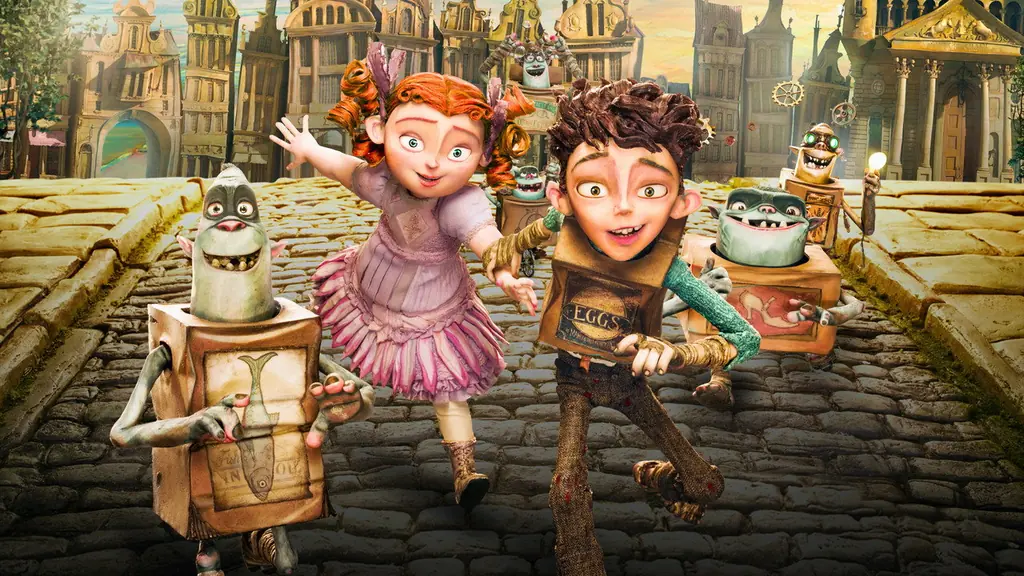
Under the direction of Graham Annable, The Boxtrolls confidently navigates a tone that is both whimsical and wonderfully weird. The stop-motion animation is a clear and undeniable highlight, a welcome sight in a cinematic landscape overwhelmingly dominated by CGI. The intricate details, the expressive character designs, and the sheer artistry involved in bringing this world to life are a testament to the dedication of the filmmakers. While the film does incorporate some computer-generated elements to enhance certain scenes, the handcrafted feel of the stop-motion is paramount, offering a visual treat that appeals particularly to adults who appreciate the painstaking effort and unique aesthetic. This creative freedom allows the film to explore its "gross" concepts and "dirty" fun without compromise, resulting in a unique cinematic experience that entertains while perhaps "freaking out" younger viewers just a little bit – in the best possible way. The humor is sophisticated enough to land with adults, while the visual gags and endearing characters keep children captivated, even through its more unsettling moments.
The Final Verdict
Ultimately, The Boxtrolls proves to be a pretty good time, a film that carves out its own niche with confidence and charm. It's a movie that adults will likely appreciate immensely for its stunning, old-school animation, its smart humor, and its nostalgic nod to more unconventional, slightly disturbing children's stories that aren't afraid to challenge young minds. Kids, meanwhile, will be thoroughly entertained by the inventive world and lovable characters, even if some of the film's darker, grungier elements leave them delightfully unsettled. Despite a somewhat sluggish start that requires a bit of patience, the film builds to an exciting and satisfying climax, delivering a memorable and distinct animated adventure that stands out from the crowd. It's a testament to the enduring appeal of stop-motion and a reminder that sometimes, a little bit of "gross" can be a whole lot of fun.
What Worked
- Stunning and unique stop-motion animation
- Smart humor that appeals to all ages
- Embraces a delightfully "gross" and "dirty" aesthetic
- Engaging and exciting second half
- Subtle social commentary and depth
What Didn't Work
- Pacing issues with a slow first half
- Initial build-up can feel a bit sluggish
- May be too unsettling for very young or sensitive viewers



