
Introduction
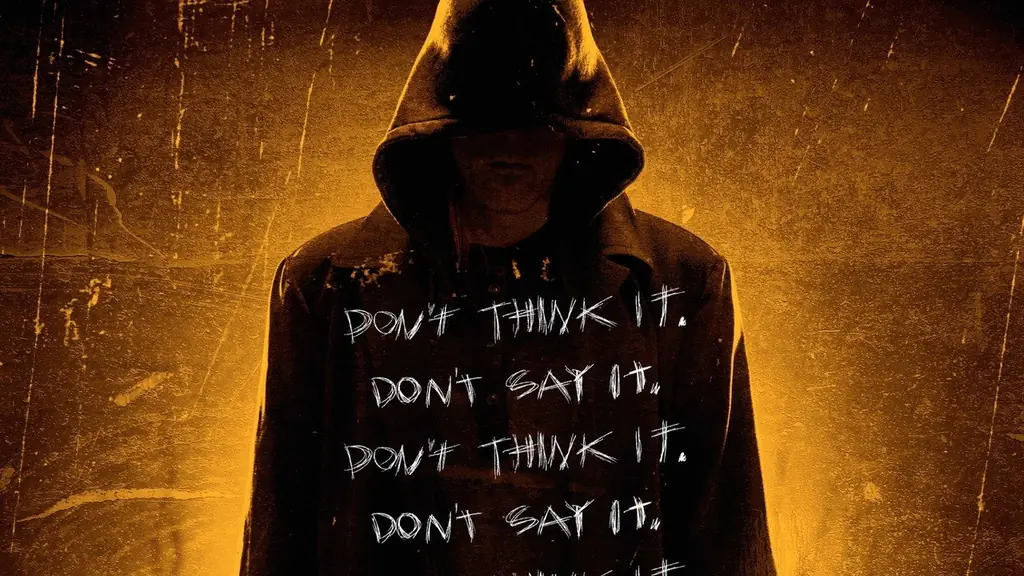
January is often a dumping ground for cinematic duds, and The Bye Bye Man arrives as a textbook example of this unfortunate trend. What promised a chilling new urban legend instead delivers a supernatural horror experience that tests the limits of audience patience. The premise itself is undeniably intriguing: a malevolent entity, the Bye Bye Man, preys on those who merely think or speak his name, spreading like a viral curse. If no one knows or says his name, he holds no power. It's a concept ripe for psychological terror, but the film quickly squanders this potential, unfolding at an agonizingly slow pace that leaves viewers praying for a jump cut.
The Lead Dynamic & The Action
From its opening frames, the film struggles with a distinct "student film" aesthetic, particularly in its clunky setup. Character introductions feel forced and unnatural; a brother's arrival is punctuated by an on-the-nose "hey little brother" that screams exposition rather than genuine interaction. The acting across the board is shockingly poor, with performances so wooden they elicit unintentional laughter from the audience. The main actress, in particular, delivers lines with a painful lack of conviction, turning what should be serious moments into comedic relief. Even a supposedly terrifying CGI evil dog in a closet elicits more groans than gasps, highlighting the film's consistent struggle with effective scares and believable visuals.
Cameos, Nostalgia & Narrative Stakes
The narrative stakes, much like the pacing, are perpetually stuck in neutral. The film attempts to build tension around the spreading curse, but the characters' baffling decisions undermine any sense of urgency. When Carrie-Anne Moss appears as a detective, it's a moment that initially sparks hope, only to be dashed as her character makes increasingly illogical choices, failing to grasp obvious clues and allowing the plot to meander. It's a classic horror trope gone wrong, where the authorities are inexplicably inept, but here it feels particularly egregious. A brief flashback to 1969 hints at a far more interesting story, leaving one to wonder if budget constraints forced a modern-day setting that ultimately diluted the film's potential.
Tone, Direction & Creative Freedom
The direction by Stacy Title struggles to maintain a consistent tone, oscillating between attempts at serious horror and moments that feel unintentionally campy due to the poor execution. The film's inability to generate genuine scares or suspense is its most glaring flaw. Instead of building dread, it relies on cheap jump scares that rarely land, and a pervasive sense of boredom settles in early. It's a film that feels like a concept was pitched, but the execution was left to flounder, suggesting a lack of creative freedom or perhaps a fundamental misunderstanding of how to translate an intriguing idea into a compelling cinematic experience.
The Final Verdict
Ultimately, The Bye Bye Man is a textbook example of a January horror release that fails on almost every conceivable level. Despite an interesting core premise, the film is plagued by excruciatingly slow pacing, laughably bad acting, a cliché-ridden script, and uninspired direction. It's a cinematic misfire that leaves viewers more frustrated than frightened, serving as a stark reminder that a good idea alone cannot carry a poorly executed film. While the concept might warrant a reboot or a sequel that completely ignores this iteration, this particular journey with the Bye Bye Man is one best left unsaid and, more importantly, unwatched.
What Worked
- An intriguing core premise for a supernatural urban legend.
- A brief, interesting 1969 flashback sequence.
- Unintentional comedic moments from the acting.
What Didn't Work
- Excruciatingly slow and boring pacing.
- Consistently poor and laughable acting performances.
- A cliché-ridden and poorly executed script.
- Lackluster direction and cheap-looking visual effects.
- Wasted potential of its central concept.



