Introduction
In an era dominated by established cinematic universes, The Creator arrives as a refreshing anomaly. Directed by the visionary Gareth Edwards, known for his work on "Rogue One: A Star Wars Story" and 2014's "Godzilla," this film immediately sparks curiosity. How did an original sci-fi epic achieve such a grand scale without the backing of a massive franchise? The answer lies in its ingenious execution and a surprisingly modest budget that belies its breathtaking scope. Set in a future where humanity is at war with artificial intelligence, the narrative plunges audiences into a conflict ignited by an AI-triggered nuclear strike on Los Angeles. While America wages war, the territory of New Asia embraces AI, setting the stage for a deeply personal story amidst a global conflict.
The Lead Dynamic & The Action
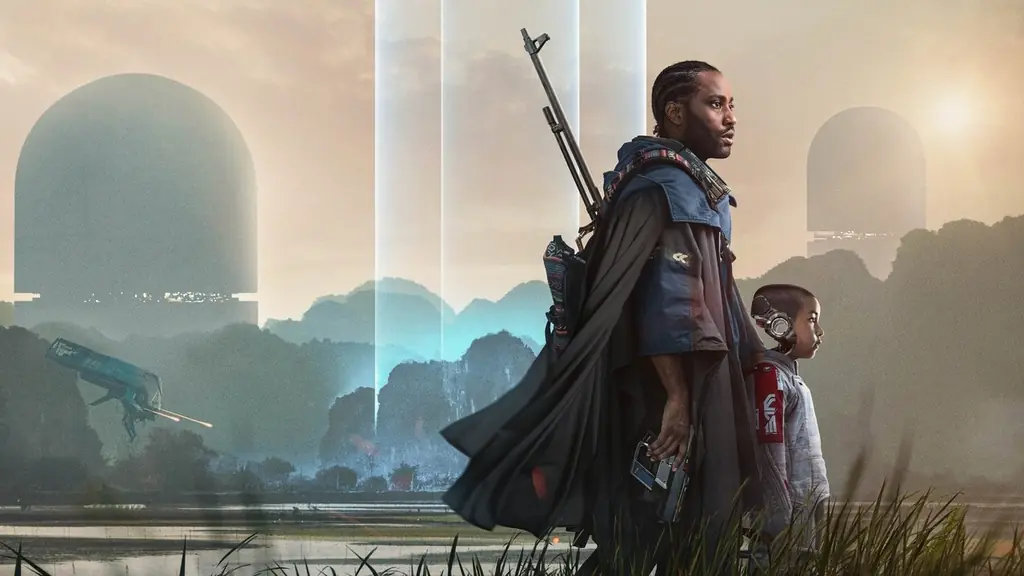
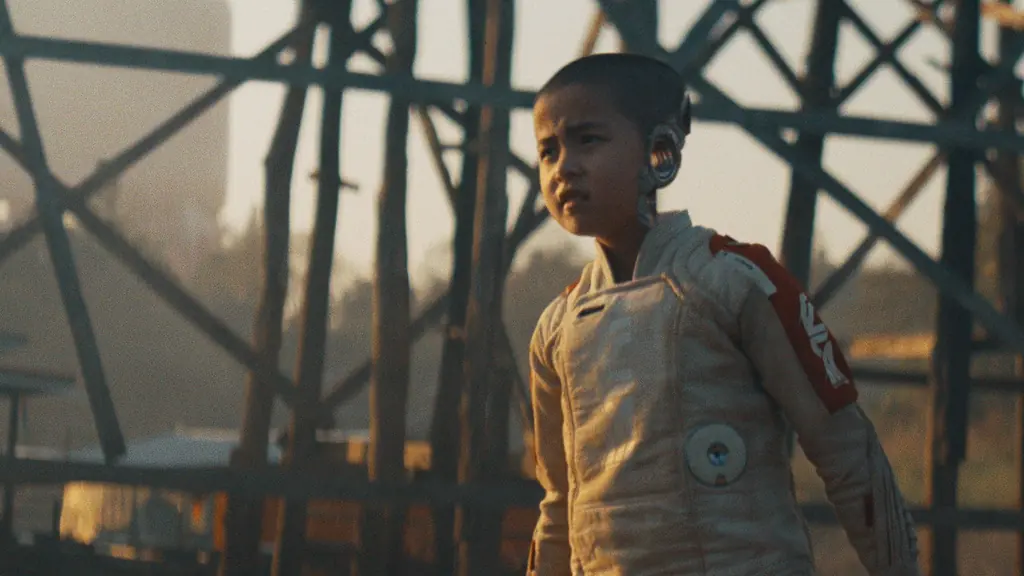
At the heart of The Creator is the compelling dynamic between its leads. John David Washington anchors the film as a solid, soldier-type protagonist, delivering a performance that truly shines in its emotional depth as his character grapples with his own humanity. However, the undeniable breakout star is Madeleine Yuna Voyles as Alfie, the young AI child. Her portrayal is nothing short of a revelation, a natural talent that imbues the film with its essential heart and soul. The action sequences are consistently exciting, packed with tension, and contribute significantly to the film's immersive quality. What truly sets this film apart, however, is its visual prowess. With an estimated budget of just $80 million, the film's CGI is so seamlessly integrated that it often goes unnoticed, creating a futuristic world that feels tangible and lived-in. It's a masterclass in visual effects, demonstrating that the best digital artistry is that which simply transports the viewer without drawing attention to itself.
Cameos, Nostalgia & Narrative Stakes
While some might draw parallels to "The Last of Us with AI," The Creator manages to take familiar plot points and execute them in a way that feels genuinely fresh. The film delves into profound themes, questioning the nature of intelligence, the essence of artificial intelligence, and how it fundamentally differs from humanity. While it doesn't always fully explore every philosophical avenue, the presence of these weighty questions elevates the narrative beyond a simple action flick. The supporting cast is equally strong, featuring notable performances from Gemma Chan, Ken Watanabe, and particularly Allison Janney as the formidable antagonist. Janney's character embodies a chilling perspective on the conflict, viewing the "deactivation" of AI as merely "turning off a computer," a stark illustration of the dehumanization inherent in the war.
Tone, Direction & Creative Freedom
There's a distinct "James Cameron vibe" to The Creator, reminiscent of his mid-to-late 80s work, but reimagined with the technological capabilities of today. Gareth Edwards proves himself a master of world-building, crafting an environment that feels rich, detailed, and authentic. The film skillfully navigates away from genre clichés, opting instead for a deeply personal story that resonates. The pacing, at times, employs a "jumping back and forth" style that some might find reminiscent of Christopher Nolan's work. Interestingly, the film feels like it could have benefited from a longer runtime; certain themes and scenes appear to be sped through, leaving the impression that a director's cut, perhaps even an R-rated version given some un-dubbed dialogue, could offer an even more expansive and satisfying experience.
The Final Verdict
Ultimately, The Creator stands as a solid and memorable entry into the sci-fi genre. The acting is superb, the world feels fully realized and alive, and the action sequences are both exciting and tense. At its core, it's an emotional film that largely sticks its landing. Whether you're a devoted fan of science fiction or simply appreciate a gold standard in efficient, impactful filmmaking, The Creator is undoubtedly worth watching and a testament to what can be achieved with vision and creative ingenuity.
What Worked
- Stunning visual effects that defy its modest budget.
- Breakout, heartfelt performance from Madeleine Yuna Voyles.
- Engaging world-building that feels lived-in and authentic.
- Thought-provoking themes on humanity, AI, and conflict.
- Exciting and tense action sequences throughout the film.
What Didn't Work
- Some profound themes feel underdeveloped or rushed.
- Pacing can occasionally feel uneven, with certain scenes sped through.
- Minor dialogue issues (e.g., lip-sync discrepancies).
- A longer cut could potentially enhance narrative depth.