Introduction
The anticipation for The Equalizer was palpable, promising a return to form for the vigilante genre with Denzel Washington at its helm. Audiences were ready for a hero who operates outside the law, a quiet man pushed to his limits. What arrived was precisely that: a film that knows its mission and executes it with a methodical, bone-crunching efficiency.
The Lead Dynamic & The Action
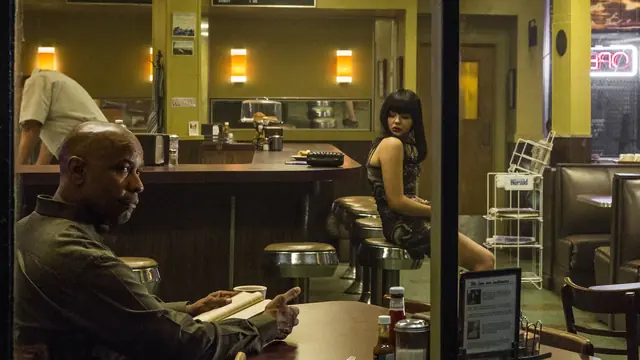
Denzel Washington steps into the shoes of Robert McCall, a seemingly mild-mannered hardware store employee whose calm demeanor belies a formidable past. He's the kind of guy everyone loves, positive and hardworking, but beneath the surface lurks a "methodical badass" with a "particular set of skills." When a young woman, played by Chloë Grace Moretz, finds herself in dire straits at the hands of the Russian mob, McCall's quiet life is shattered, and his dormant abilities are unleashed. The film becomes "the Denzel show," and he's undeniably fun to watch. His likability makes his brutal efficiency all the more compelling; he's the friend who will "mess their up" if anyone messes with you. The action is visceral, with McCall demonstrating a chilling intelligence in his combat, often making his opponents look foolish.
Cameos, Nostalgia & Narrative Stakes
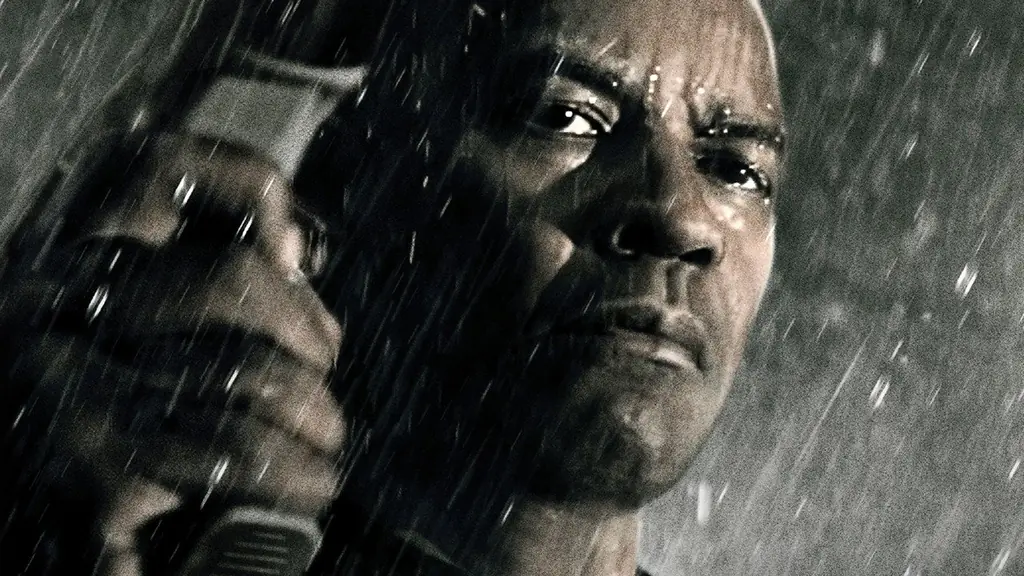
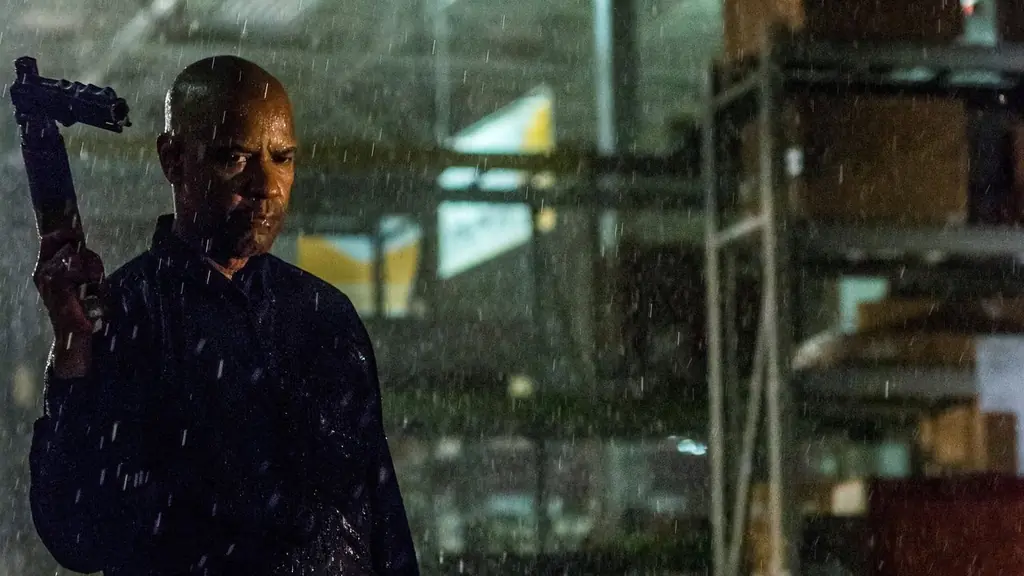
The narrative of The Equalizer is refreshingly straightforward. It doesn't pretend to be a deep, Oscar-worthy drama; it's a film about a good man taking on bad people. The Russian mob serves as the perfect, universally understood antagonist – "everyone knows Russian mob's bad," making them instantly credible villains without needing extensive backstory. However, the plot does lean on some convenient coincidences. The sudden escalation of threats against McCall's friends, all within a short timeframe, feels a bit forced, designed solely to propel him into action. While these "unbelievable" moments might briefly pull a viewer out of the experience, they don't detract from the sheer enjoyment of watching Denzel Washington deliver justice. The film's climax, often described as "Home Alone in Home Depot," is an extended, brutal sequence that, while thrilling, sometimes feels like it overstays its welcome.
Tone, Direction & Creative Freedom
Directed by Antoine Fuqua, who previously collaborated with Denzel Washington on Training Day, The Equalizer maintains a consistent, gritty tone. Fuqua understands the appeal of his lead, allowing Washington to fully embody the calm, collected, yet explosively violent character. The film "knows what it is and it knows what it wants to do and it does it." There's no pretense of deeper meaning; it's a pure action-thriller focused on a damaged man seeking to right wrongs. The direction ensures that even when the villain, played by Marton Csokas, is initially calm and methodical, his eventual descent into rage and violence is impactful, showcasing the raw brutality that defines the film's core.
The Final Verdict
The Equalizer is a good time, plain and simple. It's a Denzel Washington vehicle through and through, and he delivers a performance that is both charismatic and terrifying. While it occasionally stretches credulity with its plot conveniences and some scenes feel a tad prolonged, these are minor quibbles in an otherwise entertaining and satisfying action flick. If you're looking for a film where a likable, intelligent badass systematically dismantles a criminal enterprise, then this is precisely the "good time, no alcohol required" you've been waiting for.
What Worked
- [[person:5292|Denzel Washington]]'s magnetic, badass performance
- Satisfying, methodical action sequences
- Knows exactly what kind of movie it wants to be
- Engaging "good guy" persona with a dark edge
What Didn't Work
- Plot relies on convenient coincidences
- Generic, one-dimensional Russian mob villains
- Some scenes feel overly extended (e.g., "Home Alone Depot" climax)