
Introduction
The "kickass over the hill sausage fest" franchise returned for a third round with The Expendables 3, promising more of the nostalgic, explosive action fans had come to expect. The allure of seeing a roster of action legends reunite for one last hurrah was undeniable, a throwback to the 80s action heyday.
The Lead Dynamic & The Action
However, the film quickly veers off course. After an initial "kickass action scene" that sets a familiar tone, Sylvester Stallone's Barney Ross inexplicably dismisses his seasoned crew in favor of a younger, fresher team. This move fundamentally undermines the very "gimmick premise" that made The Expendables appealing: a gathering of iconic, older action stars.
The shift also brought a PG-13 rating, a point the reviewer found less bothersome than anticipated. While acknowledging moments where a "blood splat" or "artery getting sliced" would have enhanced the impact, the film still delivers "a lot of guns being fired, bullets flying, and dudes dropping." Yet, the conceptual misstep of replacing the core team with new faces transforms what should be a unique spectacle into "a Grade B action movie that's like other Grade B action movies that aren't that good."
Cameos, Nostalgia & Narrative Stakes
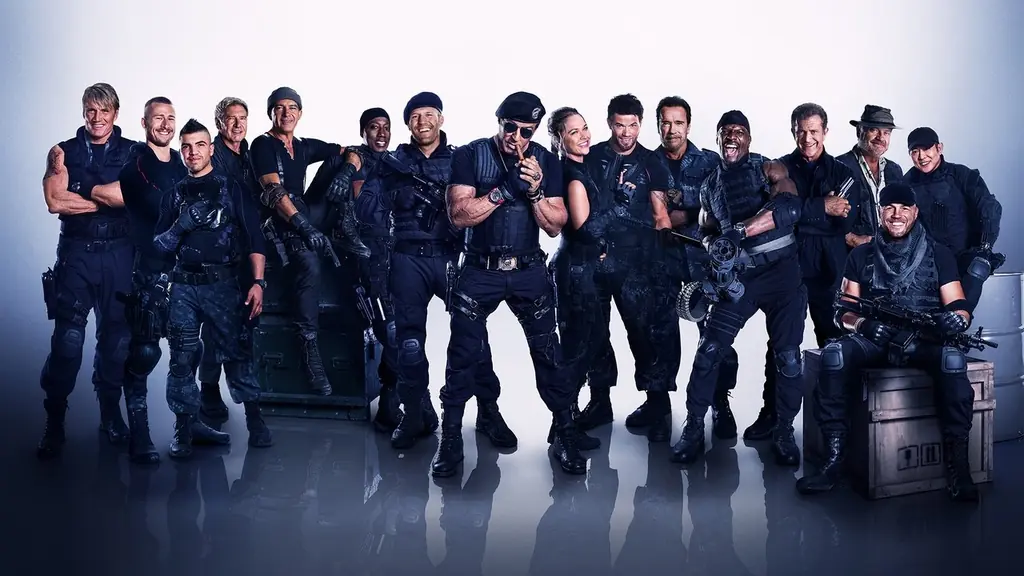
The film's second act suffers significantly from this narrative choice, becoming "boring as [__]." The introduction of a new, younger crew, save for a potential "computer guy" who could add a "digital element," feels forced and dilutes the established appeal. The poster, featuring a multitude of stars, is misleading; many characters are "completely Expendable" and barely register.
Among the new additions, Mel Gibson shines as the villain, bringing a much-needed gravitas and energy. His performance is highlighted as genuinely good, reminiscent of Jean-Claude Van Damme's memorable turn in the previous installment. Conversely, Antonio Banderas's character is singled out as "the most annoying thing in the movie," a baffling, over-the-top portrayal that feels like a "waste" of his talent, especially given his history as a "badass Mexican Gunslinger" in films like Desperado.
Tone, Direction & Creative Freedom
Directed by Patrick Hughes, the film struggles with its identity. While it offers "a couple of cool action scenes," the overall execution often demands viewers "leave logic at the door." Helicopters move unrealistically, and characters survive impossible feats, though this is somewhat expected from an Expendables film. The core issue lies in the abandonment of its unique selling proposition, resulting in a film that tries to be too many things to too many people, ultimately satisfying few.
The Final Verdict
Ultimately, The Expendables 3 is a largely forgettable entry in the franchise. Despite some fun action sequences and a standout villain performance from Mel Gibson, the decision to sideline the original crew for a younger, less compelling ensemble proves to be its undoing. It's a film that, despite its star power, fails to leave a lasting impression, fading from memory almost as soon as the credits roll.
What Worked
- Mel Gibson delivers a strong, engaging performance as the villain.
- Features a few genuinely "cool action scenes" with plenty of explosions and gunfire.
- Offers nostalgic references to the actors' past iconic roles.
- The PG-13 rating was less detrimental than anticipated, still delivering action.
What Didn't Work
- Abandons the core "old guys kicking ass" premise for a less compelling younger crew.
- The entire second act of the film is notably boring and drags significantly.
- Antonio Banderas's character is overwhelmingly annoying and feels like a wasted opportunity.
- Too many characters are introduced only to be "expendable" with minimal screen time.
- Overall, it feels like a generic "Grade B action movie" rather than a unique spectacle.



