
Introduction
There's a unique dread that comes with revisiting a beloved film from the past, hoping it still holds up to cherished memories. For many, that nostalgia can be a fragile thing, easily shattered by the harsh light of re-evaluation. Yet, for The Fly, David Cronenberg's 1986 masterpiece, the experience is quite the opposite. This isn't just a film that holds up; it's a cinematic triumph that remains as potent, disturbing, and utterly "awesome" today as it was nearly four decades ago.
The Lead Dynamic & The Action
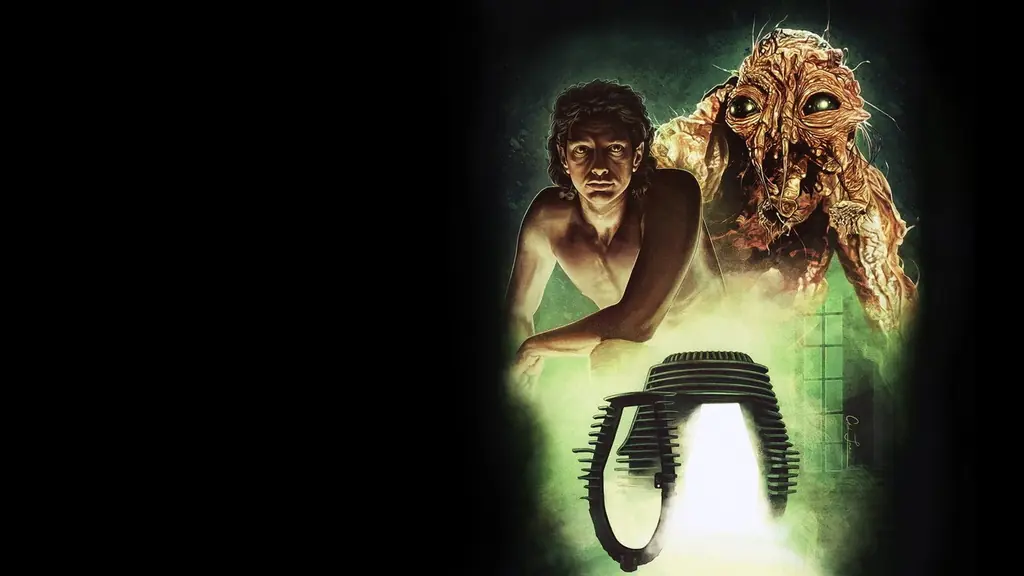
At its core, The Fly is a character study, a tragic drama masquerading as a monster movie. We meet Seth Brundle, portrayed with captivating neurotic charm by Jeff Goldblum, a brilliant but socially awkward scientist on the cusp of a world-changing breakthrough: teleportation. His initial interactions with journalist Veronica Quaife (Geena Davis) set the stage for a relationship that will be tested by unimaginable horror. Brundle's intentions are pure, his excitement infectious, but a fateful accident—a housefly entering the teleportation pod with him—sets off a horrifying genetic fusion.
What follows is not a sudden monster reveal, but a chilling, gradual "decline." Goldblum's performance is a tour de force, perfectly capturing Brundle's initial euphoria as he gains superhuman strength and stamina, only for it to slowly curdle into grotesque decay. The film excels in its sequential transformation, showing Brundle becoming "a little more changed, a little more degraded, a little more fly" with each passing scene. This isn't just physical horror; it's a profound psychological unraveling, making Brundle both the hero and the villain, a victim of his own ambition.
Cameos, Nostalgia & Narrative Stakes
The Fly stands shoulder-to-shoulder with other '80s horror titans like "The Thing," films that achieved a rare perfection. Unlike many genre entries, it doesn't rely on cheap scares or excessive cameos. Instead, its narrative stakes are deeply personal and character-driven. The film's genius lies in its practical effects, which remain "fantastic." When Brundle's ear begins to fall off or his teeth come out, the visceral reality of these moments, achieved through tangible props and makeup, is far more disturbing than any modern CGI could ever hope to be. This tangible horror grounds the fantastical premise in a horrifying reality.
The film masterfully blurs the line between man and monster, exploring themes of identity and accountability. Is Brundle responsible for the actions of "Brundlefly"? The narrative subtly suggests a complex victimhood, where the man he once was slowly erodes, leaving behind something terrifyingly alien yet tragically still him. This depth elevates The Fly far beyond a simple creature feature.
Tone, Direction & Creative Freedom
David Cronenberg's direction is nothing short of brilliant, orchestrating a seamless blend of genres: sci-fi, horror, drama, and monster movie. The pacing is deliberate, allowing the audience to witness every agonizing step of Brundle's transformation, building a pervasive sense of dread rather than relying on jump scares. Cronenberg's vision is unflinching, showcasing the grotesque beauty of decay and mutation without ever feeling exploitative. This creative freedom allowed for a film that is both intellectually stimulating and viscerally terrifying, a rare combination in any genre.
The Final Verdict
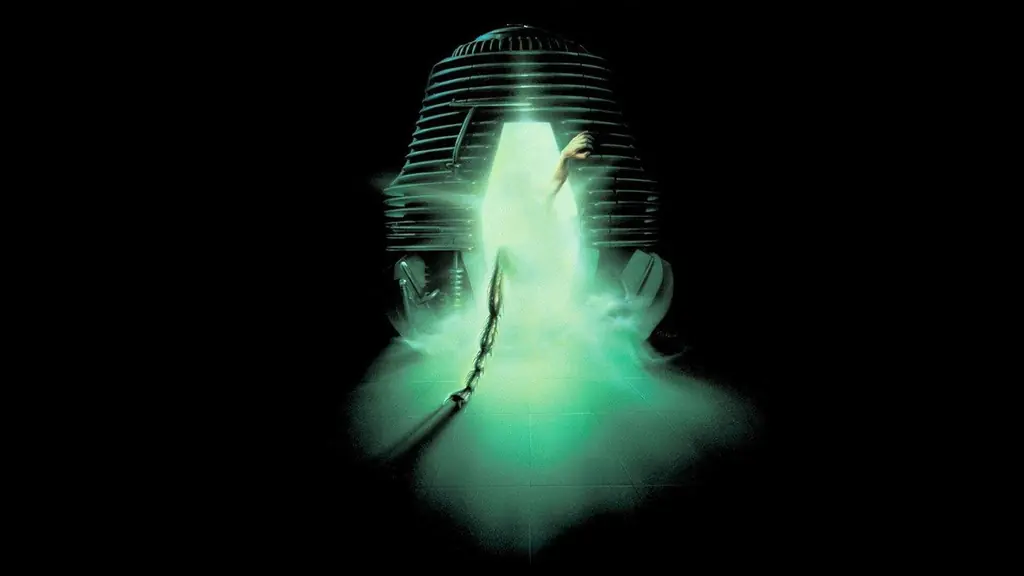
The Fly is, without hyperbole, "sci-fi Perfection." It's a film that dares to ask profound questions about humanity, identity, and the consequences of unchecked ambition, all while delivering some of the most iconic and disturbing body horror ever committed to screen. It's a testament to how powerful a character-driven story can be, even when wrapped in a monstrous package. For those seeking a horror film with genuine depth and lasting impact, especially during a Halloween movie marathon, look no further. This is a film that will stick with you, long after the credits roll.
What Worked
- Exceptional, groundbreaking practical effects for the transformation.
- Jeff Goldblum's iconic and deeply unsettling performance.
- Masterful blend of sci-fi, horror, and character drama.
- Profound exploration of identity, victimhood, and decay.
- Enduring rewatchability and critical impact.
What Didn't Work
- The intense body horror and grotesque visuals may be too disturbing for some viewers.
- Its dramatic focus might not satisfy those seeking conventional slasher-style horror.



