
Introduction
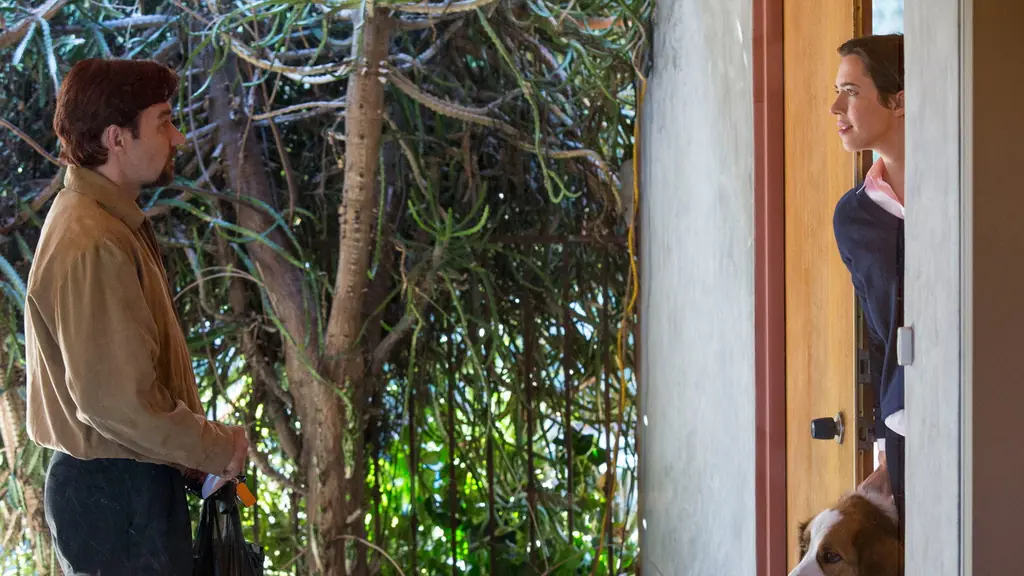
Life seems picture-perfect for Jason Bateman's character and his wife, played by Rebecca Hall, as they settle into their new home. But the veneer of suburban bliss cracks when an old high school acquaintance, Gordon (portrayed with unsettling brilliance by writer-director Joel Edgerton), unexpectedly re-enters their lives. What starts as an awkward reunion quickly spirals into a deeply uncomfortable intrusion, setting the stage for The Gift, a psychological thriller that masterfully plays on our deepest anxieties about past actions and present consequences.
The Lead Dynamic & The Action
Forget adrenaline-fueled chases; The Gift thrives on psychological warfare. Jason Bateman, often known for his comedic timing, delivers a performance that showcases his serious acting chops, revealing layers of vulnerability and hidden depths. Rebecca Hall is equally compelling as the wife caught in the escalating tension. But it's Joel Edgerton who truly steals the show as Gordon. His portrayal is a clinic in creepiness—awkward, intrusive, and utterly unpredictable. The film deliberately keeps you guessing about his true intentions, creating an element of gray that makes every interaction fraught with unease. This isn't about big action set pieces; it's about the slow, agonizing build of dread that makes you question everyone's motives.

Cameos, Nostalgia & Narrative Stakes
The Gift isn't interested in cheap thrills or fan service. Instead, it delves into the unsettling reality of how past actions can haunt the present. The narrative stakes are deeply personal, exploring themes reminiscent of films like "One Hour Photo," where an unassuming individual becomes a source of profound discomfort. The film's brilliance lies in its ability to make you constantly re-evaluate your perceptions of the characters. Just when you think you have someone pegged, a new layer is peeled back, forcing you to confront uncomfortable truths about human nature and the lasting impact of unkindness. It's a powerful reminder that words have power, and their echoes can resonate for years, affecting not just the speaker and receiver, but everyone around them.
Tone, Direction & Creative Freedom
Joel Edgerton's direction is a triumph of subtle tension. The film isn't a sprint; it's a slow, deliberate walk that builds an almost unbearable sense of unease. There are moments where you're left wondering if a character is just outside, watching, and the film doesn't always provide easy answers, letting the feeling linger. This deliberate pacing, while making the film feel longer than its actual runtime, is crucial for character development and immersing the audience in the psychological torment. It's a testament to Edgerton's vision that he crafts such a creepy, tension-filled experience without resorting to anything supernatural. The film's R-rating is well-earned, not for gore, but for its intense psychological discomfort and mature themes.
The Final Verdict
The Gift is a masterclass in psychological suspense that will leave you thinking long after the credits roll. It's a film that demands digestion, sparking conversations about morality, consequences, and the uncomfortable truths lurking beneath polite society. With stellar performances from its lead trio and Joel Edgerton's assured direction, this is a genuinely good time for anyone who appreciates a slow-burn thriller that gets under your skin. Just remember: don't be a jerk, and don't lie. Simple as that.
What Worked
- Jason Bateman delivers a surprisingly strong dramatic performance.
- Joel Edgerton is genuinely creepy and unsettling as Gordon.
- Masterful tension building keeps viewers on edge.
- Thought-provoking exploration of past actions and consequences.
- Rebecca Hall provides a compelling and nuanced performance.
What Didn't Work
- The slow pace might not appeal to all viewers.
- Can feel longer than its actual runtime due to deliberate pacing.
- Not for those seeking fast-paced action or jump scares.



