
Introduction
Anticipation ran high for The Great Wall, a grand-scale fantasy epic from acclaimed director Zhang Yimou, starring Hollywood heavyweight Matt Damon. The premise alone—a legendary defense against monstrous creatures at the iconic Great Wall of China—suggested a thrilling cinematic experience. Audiences were primed for a historical fantasy that blended breathtaking visuals with pulse-pounding action. What arrived, however, was a film that, while undeniably spectacular in its initial moments, ultimately struggled to maintain its footing.
The Lead Dynamic & The Action
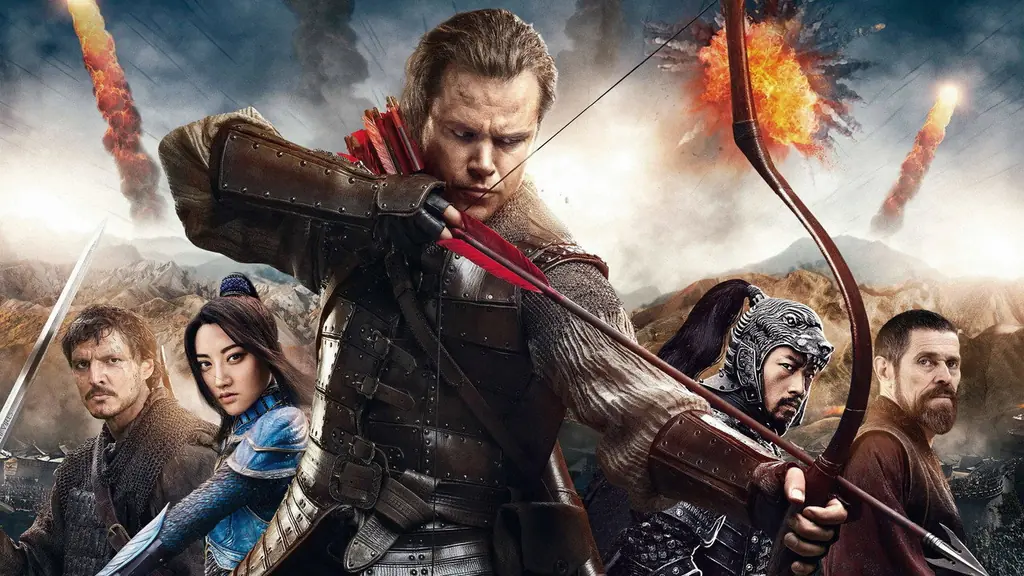
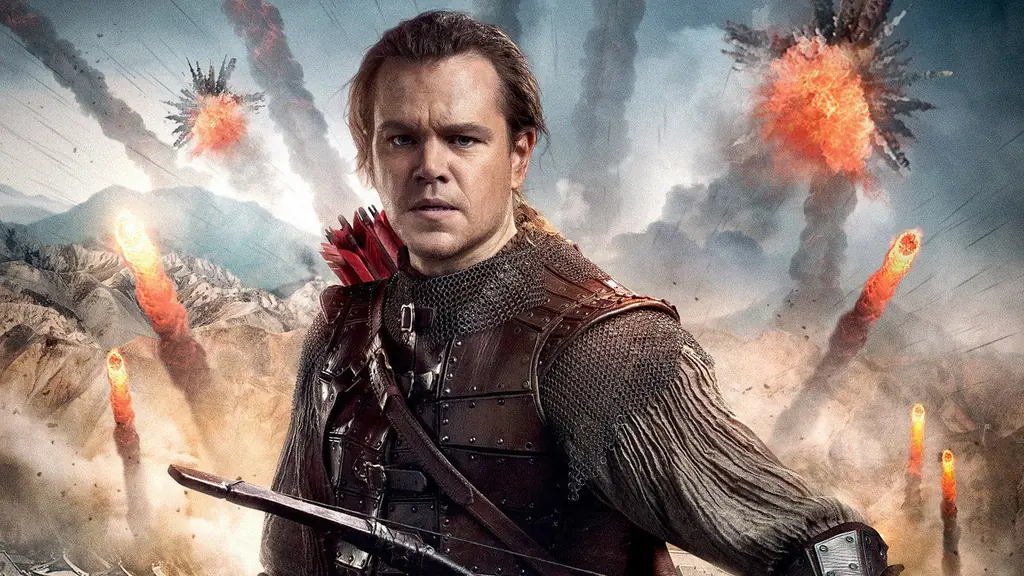
From the opening frames, the film's visual ambition is immediately apparent. The setup, featuring Matt Damon and Pedro Pascal as scoundrels seeking black powder, quickly thrusts them into a war unlike any they've known. The initial battles against the "big kodo dragon things" are genuinely captivating. The sheer scale of the Chinese army, with its distinct factions, vibrant armor, and meticulously choreographed formations, is a sight to behold. It evokes the grandeur of the elves defending Helm's Deep in "Lord of the Rings," but on an even more colossal scale. The visual appeal is undeniable, creating a majestic spectacle that promises an exhilarating ride. For a significant portion of the film's beginning, the action sequences are engaging, delivering on the promise of epic monster warfare and leaving audiences thoroughly entertained.
Cameos, Nostalgia & Narrative Stakes
However, once the initial high-octane battles subside, The Great Wall begins to falter. The narrative struggles significantly when it attempts to shift focus to its characters, who unfortunately lack the necessary depth to carry the story. The budding interest between Matt Damon's character and the "young General girl" (Jing Tian) feels forced, while his partner's unwavering pursuit of black powder becomes a one-note motivation. Even the presence of a seasoned actor like Willem Dafoe feels largely inexplicable, his character serving little purpose beyond a minor side quest that ultimately goes nowhere. The core concept—a scoundrel finding a reason to fight for something beyond a paycheck, echoing the sentiment of "live for nothing or die for something"—is intriguing on paper. Yet, the execution falls flat, leaving the audience disengaged and yearning for the next battle sequence. The film's reliance on its underdeveloped characters during lulls in the action proves to be its undoing, leading to a noticeable drop in pacing and engagement.
Tone, Direction & Creative Freedom
The film's narrative issues are compounded by a final act that feels jarringly choppy and rushed. It plays out as if a significant portion of the story was excised, creating a disjointed experience where characters seem to teleport between locations and plot points resolve with bewildering speed. This abrupt editing suggests a production that may have been constrained by time or budget, resulting in a finale that lacks the coherence and impact of the earlier sequences. The grand scope established at the beginning gives way to a hurried conclusion, leaving many questions unanswered and the overall impression of a story that was perhaps too ambitious for its final runtime. The director, Zhang Yimou, known for his visually stunning epics, delivers on the spectacle, but the narrative cohesion appears to have been sacrificed.
The Final Verdict
The Great Wall is ultimately a mixed bag. It starts strong, delivering breathtaking visuals and exhilarating monster battles that genuinely thrill. The sheer scale and artistry of the army's defense are commendable, offering a unique spectacle. However, the film struggles immensely with its character development and narrative pacing, particularly in its middle and final acts. The story grinds to a crawl when not focused on action, and the choppy editing of the conclusion leaves a sense of incompleteness. While its visual grandeur might momentarily impress, the film's lack of emotional depth and coherent storytelling means it's unlikely to leave a lasting impression. It's a cinematic experience that, despite its enormous subject matter, proves surprisingly forgettable.
What Worked
- Visually stunning army formations and battle sequences
- Impressive monster design and large-scale action
- Initial setup is engaging and promises epic fantasy
- Unique blend of historical fiction and fantasy elements
What Didn't Work
- Shallow, underdeveloped characters
- Narrative grinds to a crawl between action scenes
- Choppy and rushed final act
- Plot holes and unexplained elements (e.g., Willem Dafoe's role)



