Introduction
January often brings a fresh wave of horror, and 2019 was no exception with the arrival of The Grudge. This latest installment promised a return to the chilling world established by its predecessors, where a vengeful entity born from extreme distress terrorizes all who encounter it. Audiences were primed for a new chapter in this iconic supernatural saga, hoping for fresh scares and a compelling narrative twist.
The Lead Dynamic & The Action
What initially sounded like an intriguing departure was The Grudge's focus on a police investigation into the supernatural occurrences. Instead of the usual family-in-peril trope, Nicolas Pesce's vision aimed to explore how law enforcement grapples with an otherworldly threat. This concept, reminiscent of a darker, more grounded take on a Stephen King-esque mystery, held significant promise. However, the execution falls flat. Despite featuring a roster of recognizable talent, including Andrea Riseborough, Demián Bichir, and John Cho, the characters are given little to do. Their performances feel light, almost as if they were placeholders, leaving the audience with little emotional investment. The film struggles to flesh out its cast, making their presence feel more like a collection of familiar faces rather than fully realized individuals.
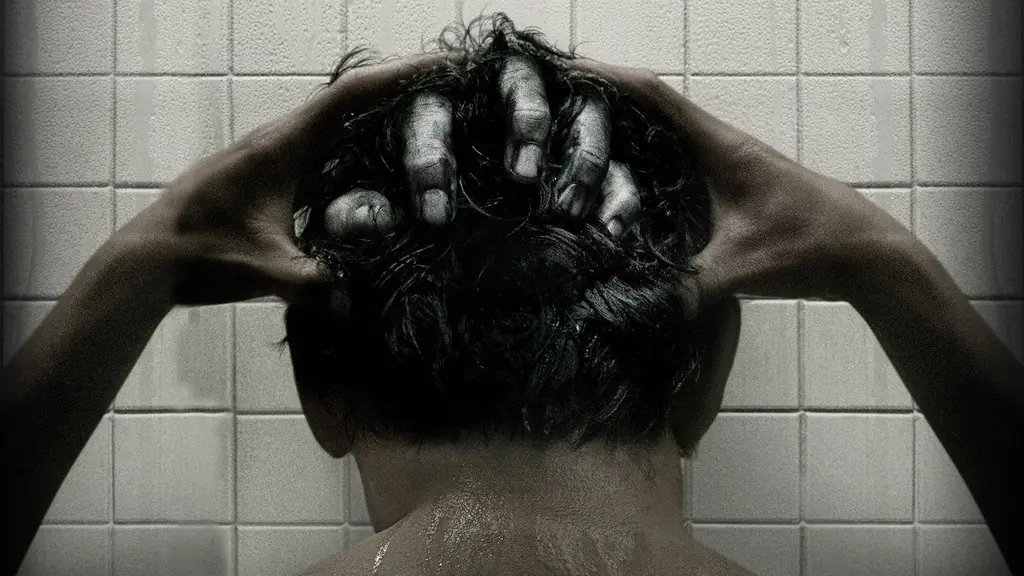
Cameos, Nostalgia & Narrative Stakes
The narrative structure of The Grudge is arguably its biggest misstep. The film attempts to weave together multiple timelines and several families affected by the curse, jumping back and forth in a way that quickly becomes confusing. It feels less like a cohesive story and more like a rushed attempt to cram an entire trilogy's worth of plot into a single feature. This fragmented approach prevents any single storyline or character from developing adequately, leaving the audience disoriented rather than engaged. The stakes, therefore, never truly land, as the constant shifts dilute any building tension or emotional resonance.
Tone, Direction & Creative Freedom
For a horror film, The Grudge is surprisingly devoid of genuine scares. The frights are largely predictable, relying on tropes seen countless times before, making it easy to anticipate every "boo" moment a mile away. While one particular jump scare was noted for its effective, low-frequency sound design—a welcome departure from the usual ear-splitting shrieks—it was an isolated moment in an otherwise scare-free experience. The overall direction feels sloppy, failing to capitalize on its interesting premise and instead delivering a largely boring and uninspired take on the genre. It offers nothing new to the Grudge lore or the horror landscape at large.
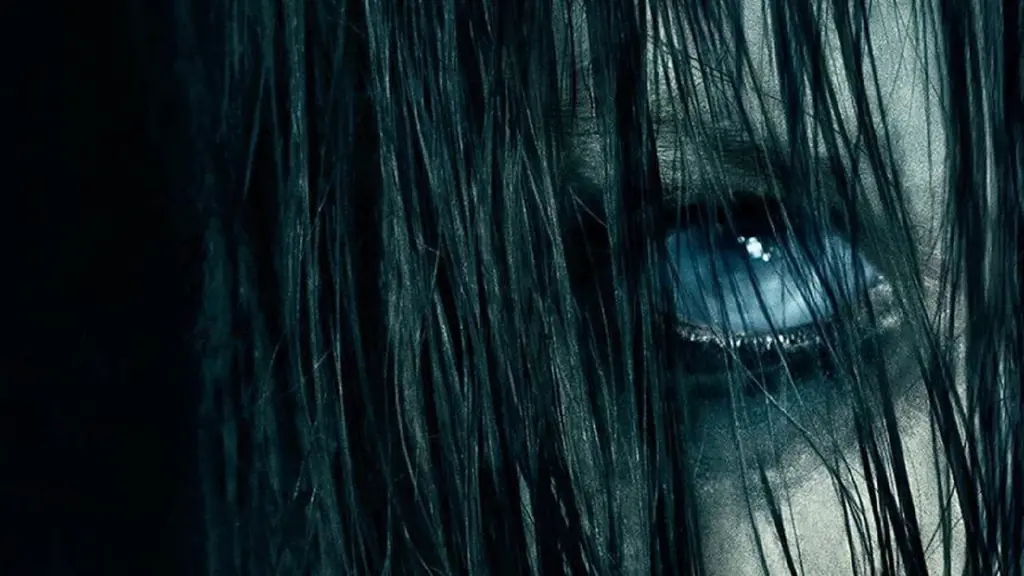
The Final Verdict
Ultimately, The Grudge is a disappointing entry into the horror canon. What could have been a fresh, cop-centric supernatural thriller devolves into a muddled, confusing, and largely scare-free affair. The film squanders its talented cast and an intriguing premise with a fragmented narrative that feels like a poorly condensed series. The best moments, unfortunately, were already showcased in the trailers and promotional material. For those seeking genuine terror or a compelling story, this Grudge fails to deliver, leaving behind only a sense of boredom and missed opportunity.
What Worked
- Intriguing premise of cops investigating a supernatural curse
- One jump scare featured an appreciated, unique low-frequency sound design
- Features a cast of recognizable and talented actors
What Didn't Work
- Confusing narrative with multiple, poorly integrated timelines
- Lack of genuine scares and highly predictable frights
- Characters feel underdeveloped despite a strong cast
- Overall sloppy execution of a promising concept
- Offers nothing new or original to the horror genre