
Introduction
The whispers began years ago, growing into a roar: Martin Scorsese was returning to the mob epic. The anticipation for The Irishman was palpable, promising a grand reunion of cinematic legends. Released straight to Netflix, this film arrived as a monumental event, a "king of mob movies" that captivated audiences with its sprawling narrative. Billed as a "true story" – with the usual Hollywood embellishments, of course – it plunges viewers into the life of Frank Sheeran, played with gravitas by Robert De Niro, whose story forms the basis of Charles Brandt's book "I Heard You Paint Houses." What unfolds is a three-and-a-half-hour journey into the heart of the American underworld, a cinematic offering that felt like an early Christmas gift for fans of the genre.
The Lead Dynamic & The Action
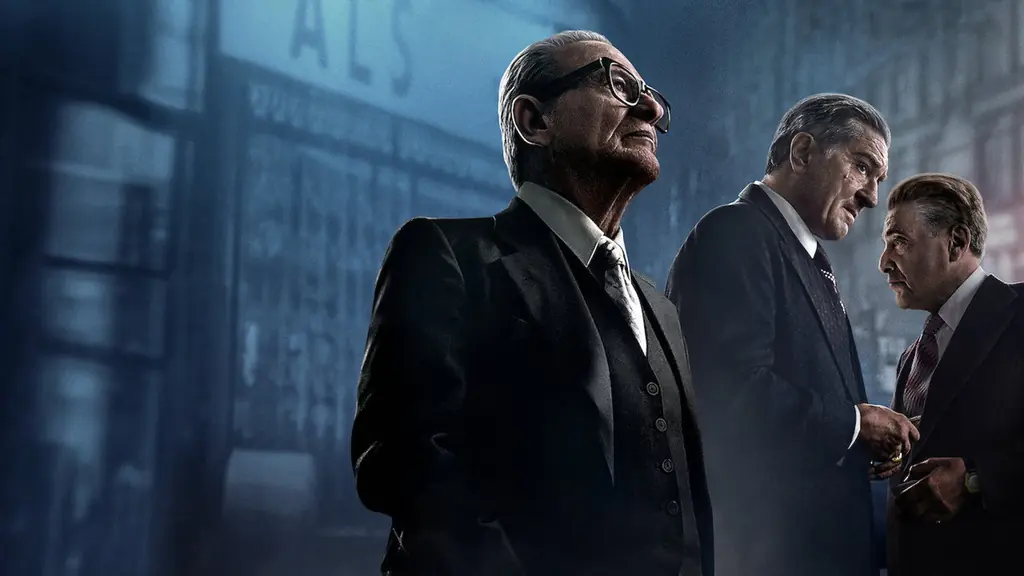
From the moment the credits roll, it's clear this is an actor's showcase. While Robert De Niro anchors the narrative, the entire ensemble shines. Joe Pesci delivers a nuanced performance, but it's Al Pacino as the fiery Jimmy Hoffa who truly commands attention. His portrayal is a standout, a powerful reminder that these "legacy actors" still possess an undeniable screen presence. The sheer concept of Robert De Niro and Al Pacino sharing the screen again was a major draw, and they do not disappoint.
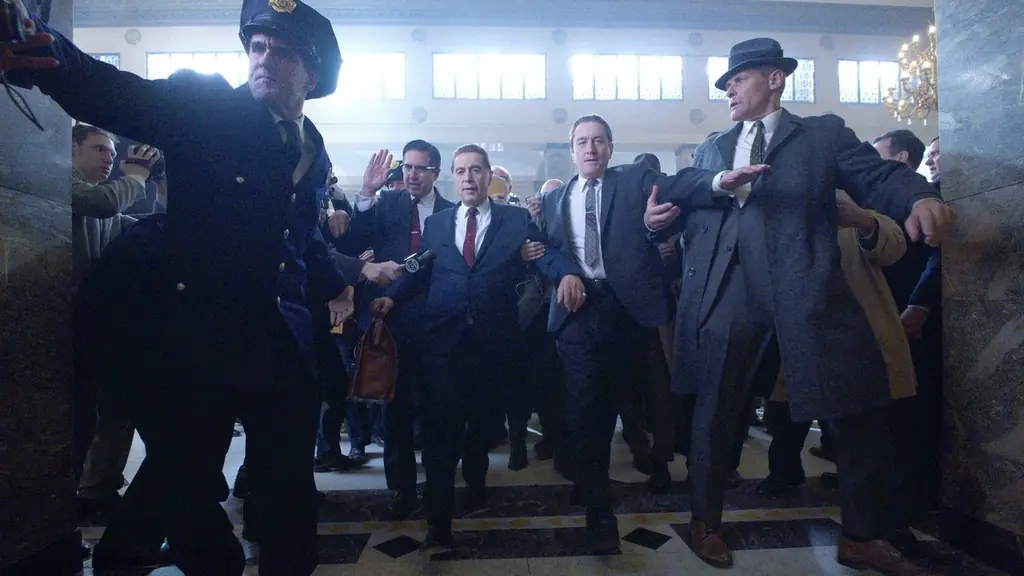
Much of the pre-release buzz centered on the de-aging technology employed to portray the characters across decades. Unlike some other attempts, this software feels different. It maintains the actors' facial structures, subtly smoothing out wrinkles rather than attempting a complete transformation into their younger selves. While there are moments where the disconnect between a younger face and an older body is noticeable, it remarkably works within the film's context. It’s not about making them look exactly like their "Goodfellas" or "Casino" counterparts; it’s about presenting a believable younger version of these specific characters, and in that, it largely succeeds.
Cameos, Nostalgia & Narrative Stakes
Clocking in at over three hours, The Irishman is an epic in every sense of the word. Some might balk at the runtime, but the film's narrative density justifies its length. Every scene, every interaction, feels relevant to the expansive chronicle of Frank Sheeran's life. While a few moments might feel slightly extended, the reviewer found it impossible to pinpoint any scenes that could be entirely removed without diminishing the overall impact. This is a Martin Scorsese epic, much like "Casino," where the length is integral to the immersive world-building.
For those daunted by the commitment, the film's Netflix release offers a unique solution: treat it like a mini-series. Pause, come back, and absorb it in segments, much like one might approach "The Hateful Eight" extended edition. Despite its length, the film is undeniably engaging. It pulls you into its world, making a planned "half now, half later" viewing session quickly dissolve into an all-night binge. The film's pacing, while occasionally deliberate, ultimately serves its purpose. It's not about rushing to the end; it's about living within the meticulously crafted world. This deep immersion pays off handsomely, leading to a profoundly reflective experience by the film's poignant conclusion, prompting introspection not just on the characters' lives, but on one's own.
Tone, Direction & Creative Freedom
The Irishman marks a triumphant return to form for Martin Scorsese in the mob genre. His direction is assured, crafting a film that is at once engaging, thought-provoking, and deeply insightful. The characters are richly drawn, and the performances are uniformly excellent. This is a testament to a filmmaker who, even after decades, continues to push boundaries and deliver compelling narratives. It’s a reminder that a damn good filmmaker can still make a damn good film, especially when given the canvas to tell a story of this magnitude.
The Final Verdict
While it may not quite reach the legendary heights of "Goodfellas," "Casino," or "The Departed," The Irishman stands as a powerful and essential entry in Martin Scorsese's unparalleled filmography. It’s a film to be savored, discussed, and revisited. For anyone who appreciates masterful storytelling, complex characters, and the enduring power of cinematic legends, this is an absolute must-watch.
What Worked
- Martin Scorsese's masterful return to the mob genre.
- Phenomenal, captivating performances from the legendary cast.
- Effective and impressive de-aging technology.
- Deeply engaging narrative and immersive world-building.
- Profoundly reflective and thought-provoking ending.
What Didn't Work
- The extensive runtime can feel long-winded in certain scenes.
- Occasional visual disconnect with de-aged actors' movements.
- Doesn't quite surpass Scorsese's absolute top-tier mob films.



