
Introduction
In an era where spy thrillers often lean into gritty realism or convoluted plots, The Man from U.N.C.L.E. arrived as a refreshing blast from the past. Directed by the inimitable Guy Ritchie, known for his distinctive visual flair in films like "Snatch" and the "Sherlock Holmes" series, this film promised a return to the golden age of Cold War espionage. Audiences were eager to see if Ritchie could successfully blend his modern sensibilities with the nostalgic charm of classic spy capers, delivering a "James Bond Alpha" experience for a new generation.
The Lead Dynamic & The Action
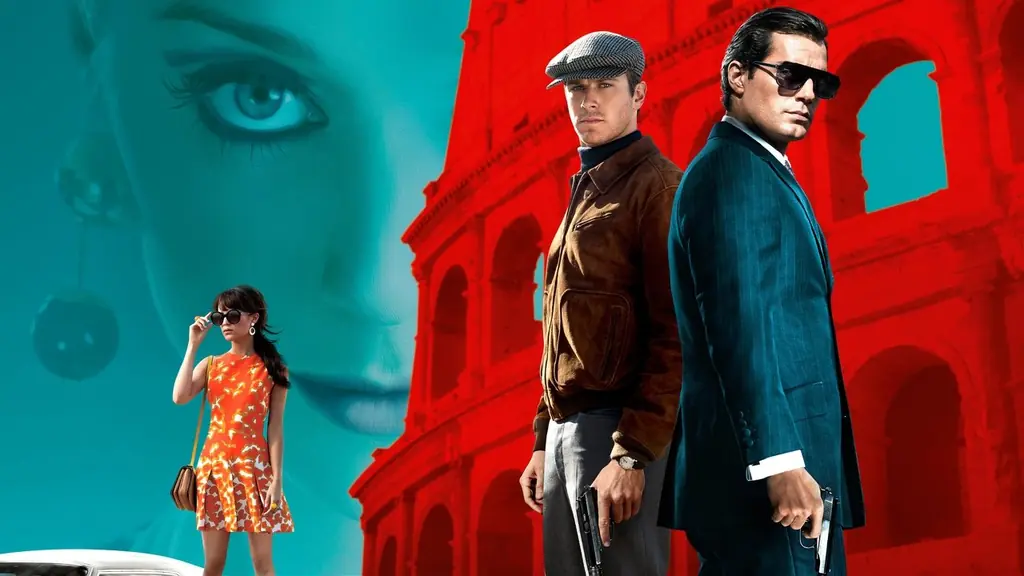
The heart of The Man from U.N.C.L.E. lies in its central, often contentious, partnership. Henry Cavill steps into the role of the "cliché American" spy, Napoleon Solo, a former criminal with a particular set of skills now working for the CIA. He's Mr. Charming, effortlessly navigating dangerous situations with a suave demeanor. Counterbalancing him is Armie Hammer as Illya Kuryakin, the Russian KGB agent, portrayed as the "big blunt instrument." These two spies, from opposing sides of the Cold War, are forced to collaborate against a greater evil. While their initial dislike is palpable, their dynamic evolves into a "fine and functional" partnership. The film doesn't rely on groundbreaking action sequences, but rather on the interplay between its leads and Ritchie's signature stylistic touches that make even familiar scenarios feel fresh.
Cameos, Nostalgia & Narrative Stakes
For all its stylistic prowess and throwback appeal, the narrative of The Man from U.N.C.L.E. remains notably simple. The core concept—two rival spies forced to work together to stop a villain with a bomb—is one audiences have "seen before." The film aims to be a throwback to old-school spy movies, yet it still needs a plot that resonates with a modern audience. This creates a "weird glaring clash of old meets new" where the dated concepts don't always land as effectively as intended. The plot is straightforward, offering few curveballs or unexpected twists, making it a predictable, albeit enjoyable, ride.
Tone, Direction & Creative Freedom
Guy Ritchie's directorial fingerprints are undeniably all over The Man from U.N.C.L.E., and when they appear, they are thoroughly enjoyable. His "stylistic isms" truly work, infusing the film with a distinct visual language and a playful tone that elevates the material. The movie embraces its fun, romp-like nature, never taking itself too seriously. This creative freedom allows for a lighthearted approach that distinguishes it from more serious contemporary spy thrillers. It's clear Ritchie had a vision for a stylish, entertaining caper, and he largely delivers on that promise, making the viewing experience a genuinely good time.
The Final Verdict
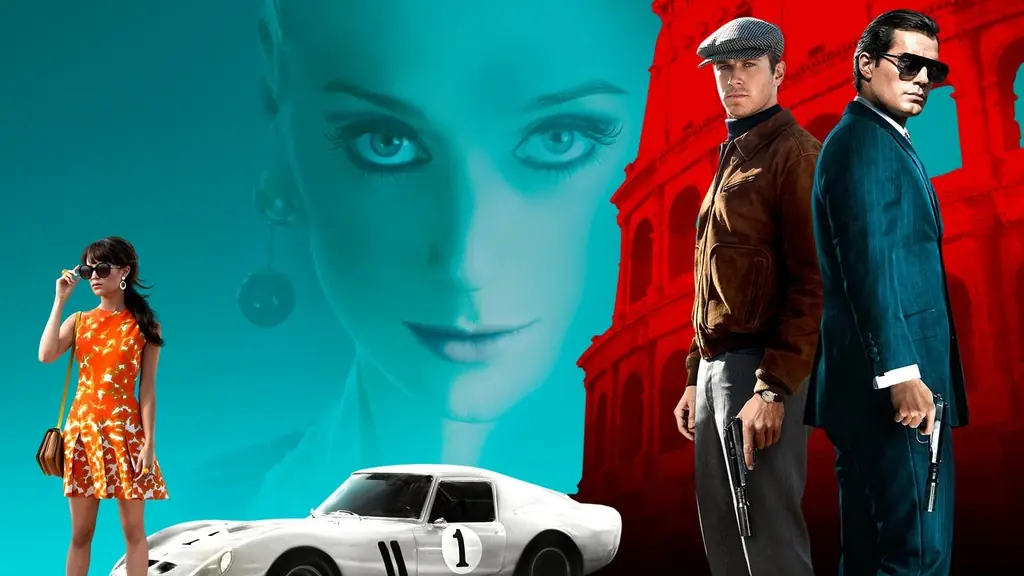
The Man from U.N.C.L.E. is, at its core, a fun spy romp that successfully harks back to the Cold War stories of old. While the plot might be simple and concepts familiar, the film's charm lies in its execution. Henry Cavill and Armie Hammer are "fine and functional," delivering performances that, while not groundbreaking, are perfectly suited to the film's lighthearted tone. Ultimately, it's a "good time" that doesn't require deep analysis or emotional investment. It's pure, unadulterated escapism, best enjoyed for its style and wit.
What Worked
- Engaging throwback to classic spy films
- [[person:956|Guy Ritchie]]'s distinctive stylistic direction
- Fun, lighthearted tone throughout
- Strong chemistry between the lead actors
What Didn't Work
- Predictable and simple plot
- Dated concepts and narrative elements
- Lacks significant character depth or surprises



