
Introduction
The Maze Runner arrived with a premise ripe for dystopian thrills: a group of adolescent youths trapped within a colossal, ever-shifting maze, their memories wiped clean. The arrival of a new face, Dylan O'Brien's character, inevitably ignites a spark of rebellion, challenging the established order and pushing for an escape. This setup promises a compelling blend of mystery and survival, and for the most part, the film delivers an entertaining, albeit imperfect, ride.
The Lead Dynamic & The Action
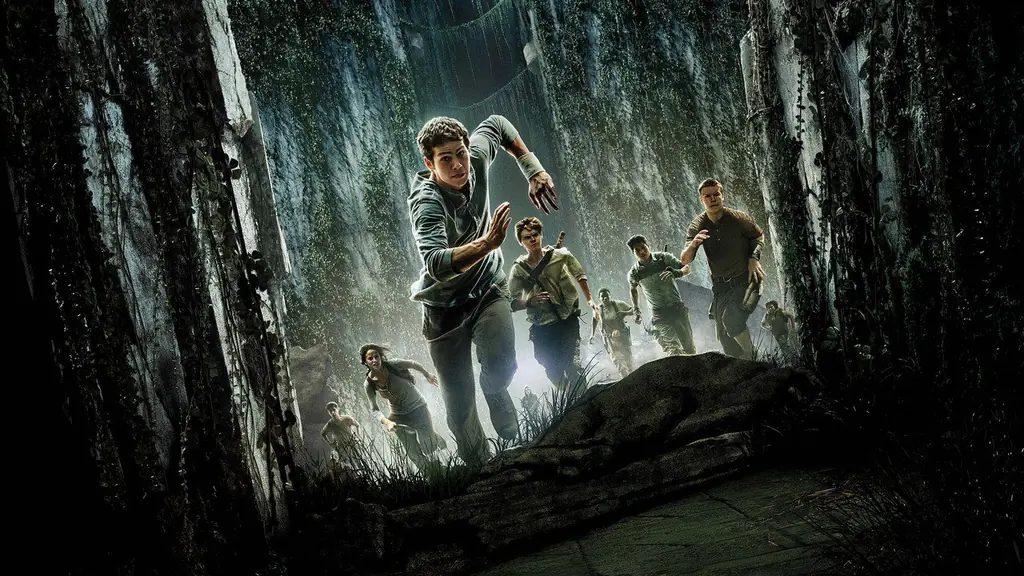
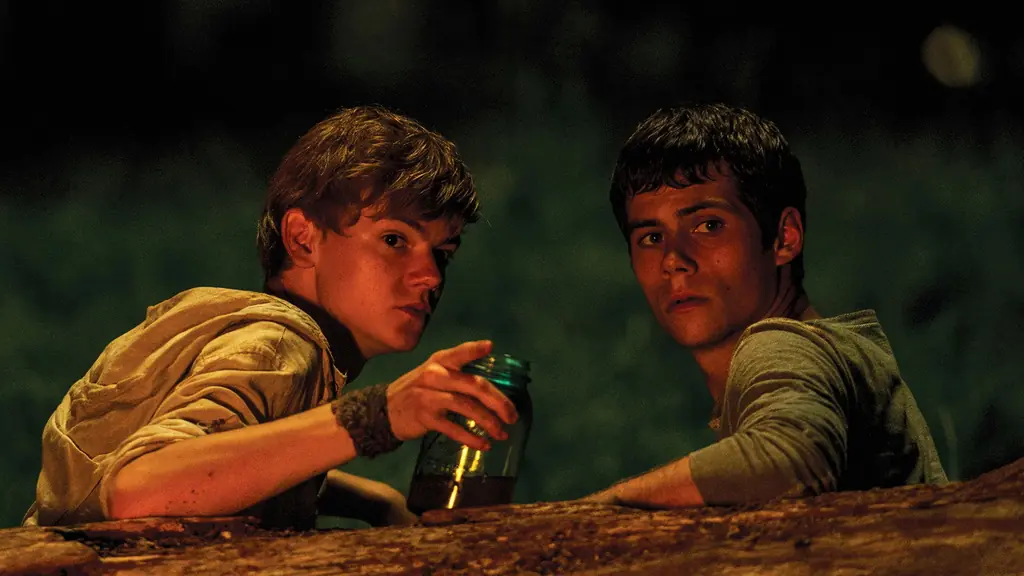
The dynamic among the Gladers is immediately apparent. Thomas Brodie-Sangster, once known for his role in Narnia, transforms into a stern, order-obsessed figure, clashing with Dylan O'Brien's protagonist who questions their confined existence. The arrival of Kaya Scodelario's character, the sole female, adds another layer to the already tense environment. What truly shines are the action sequences. For a film titled The Maze Runner, it absolutely delivers on its promise of intense, heart-pounding chase scenes. These moments are where the film truly excels, keeping audiences on the edge of their seats and fully immersed in the desperate struggle for survival.
Cameos, Nostalgia & Narrative Stakes
While the film establishes a compelling premise, it struggles to maintain its initial intrigue. There's an expectation for a "Lord of the Flies" dynamic, where the youth's attempts at self-governance might devolve into chaos. However, the narrative quickly moves past this, and the early introduction of "glimpses" into the larger mystery unfortunately diminishes the suspense. The biggest misstep, however, is the ending. It's described as "terrible," a conclusion that actively unravels the entire story upon reflection. Instead of providing satisfying answers, it deconstructs the preceding events, leaving viewers with a sense of irrelevance rather than resolution.
Tone, Direction & Creative Freedom
Wes Ball's direction effectively establishes a tone of isolation and confinement. The vast, imposing walls of the maze create a palpable sense of being cut off from the outside world. The environment itself becomes a character, with the daily opening and closing of the doors and the constant threat of the biomechanical Grievers lurking within. This immersive atmosphere ensures that even when characters are simply talking, the underlying tension of their predicament remains ever-present, making the audience genuinely root for their escape.
The Final Verdict
Despite its narrative implausibilities and a truly baffling conclusion, The Maze Runner remains an exciting and engaging experience for much of its runtime. The intense chase sequences and the palpable sense of isolation keep the audience invested in the characters' desperate struggle. It's a film that delivers on its action promises, even if its overarching mystery ultimately falls flat. For those seeking a thrilling ride with a compelling atmosphere, it's a good time – just consider an early exit to preserve the overall enjoyment.
What Worked
- Intense, heart-pounding chase sequences
- Effectively creates a confined and isolated atmosphere
- Engaging environment and world-building
- Solid acting from the young cast
- Delivers on the core "Maze Runner" concept
What Didn't Work
- The ending is baffling and deconstructs the story
- Loses narrative intrigue too early with "glimpses"
- Implausible plot points upon reflection
- Doesn't fully explore the "Lord of the Flies" dynamic



