Introduction
When news broke that Rob Zombie, the maestro of modern horror gore, was tackling a PG-rated prequel to The Munsters, the internet collectively scratched its head. The initial trailer did little to quell anxieties, looking, frankly, awful. Yet, a morbid curiosity, perhaps fueled by Netflix's decision to dump the film onto its platform, compelled many to watch. The question wasn't if Zombie could make a good horror film, but if he could pivot to family-friendly comedy. The answer, unfortunately, is a resounding no.
The Lead Dynamic & The Action
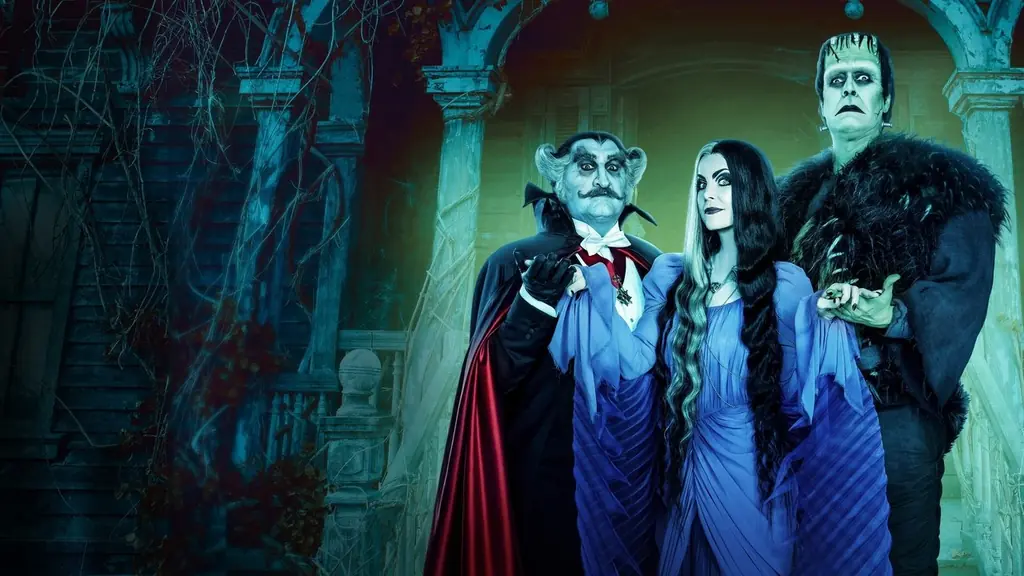
The Munsters attempts to be three films rolled into one, charting the romantic comedy origins of Herman Munster and Lily Munster in Transylvania, followed by a real estate scam, and their eventual move to the "real world." This ambitious structure, however, feels less like a cohesive narrative and more like a series of disjointed sketches. The core dynamic, meant to be endearing, often falls flat, hampered by comedic timing that feels perpetually off. While the film aims for a ghoulishly charming monster world, reminiscent of classic animation, its execution struggles to translate that potential into engaging on-screen chemistry or genuinely funny moments.
Cameos, Nostalgia & Narrative Stakes
As a prequel, the film focuses on the early days, meaning beloved characters like Eddie Munster and Marilyn Munster are conspicuously absent. This choice, while understandable for an origin story, highlights the film's struggle to balance fan service with actual narrative stakes. The reviewer notes that while Rob Zombie clearly loves the source material—even referencing his hit "Dragula"—this "love letter" feels more akin to a cinematic prank. The attempt to evoke the camp and cheese of the 1960s sitcom is evident, but it comes across as forced and poorly executed, failing to capture the original's charm. The plot, including a convoluted real estate scam, feels secondary to the film's stylistic choices, leaving audiences wondering about the actual story.
Tone, Direction & Creative Freedom
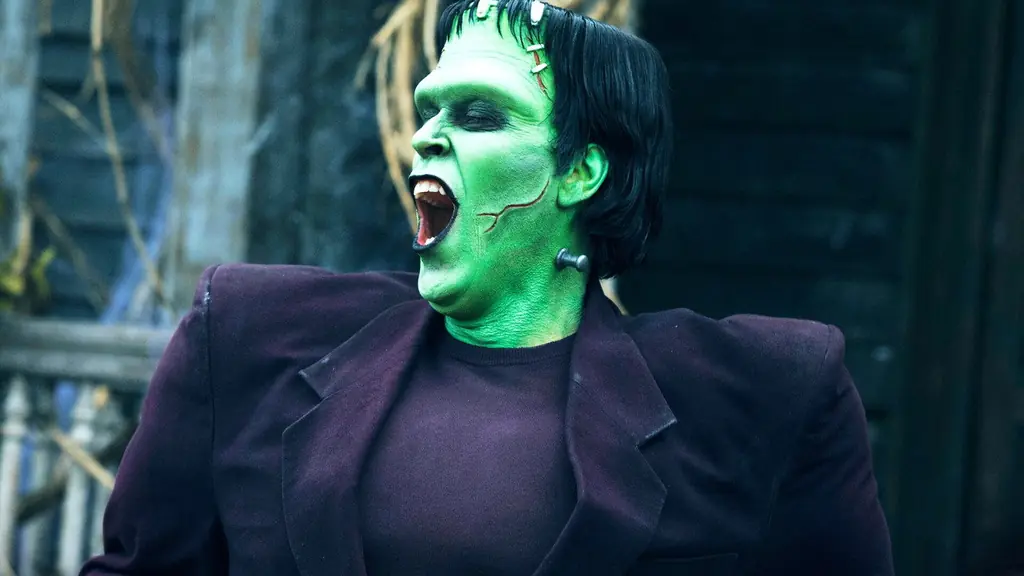
This is where The Munsters truly stumbles. The direction, a signature of Rob Zombie's style, translates poorly to comedy. The camera work, with its constant zooming, twisting, and turning, is not just distracting but genuinely nauseating. While one might argue it reflects the monsters' "off-world" mindset, in practice, it's an annoying execution. The comedic writing, heavy on dad jokes and puns, often feels like an unfunny "SNL" sketch. Casting choices also come under fire; while Rob Zombie frequently works with his wife, Sheri Moon Zombie, her inexperience in leading a comedy is painfully evident, resulting in awkward performances. Even the costumes, a crucial element for a monster family, look like they were sourced from a "Spirit Halloween" store, making the monsters indistinguishable from partygoers in a costume rave. The film's pacing is another major issue, feeling excessively long, with its halfway point feeling like a restart rather than a progression.
The Final Verdict
The Munsters is a perplexing misfire. Despite its PG rating, it's unlikely to entertain children, who won't grasp the dated references. For adults, the film offers little beyond a curiosity factor, quickly devolving into an exercise in endurance. What was intended as a heartfelt homage ends up feeling like a cinematic equivalent of "Freddy Got Fingered"—a project where the creator seemingly had free rein to make something truly baffling. This "love letter" to The Munsters is, regrettably, a dog's dinner, leaving viewers with a profound sense of disappointment and a strong urge to revisit the original series.
What Worked
- Potential for a charming monster world concept
- Conscious effort to recreate 1960s camp aesthetic
- [[person:95525|Tomas Boykin]]'s impressive makeup and screen presence
What Didn't Work
- Nauseating and distracting camera work
- Unfunny comedic writing and poor timing
- Awkward casting, particularly [[person:21319|Sheri Moon Zombie]]
- Cheap-looking, unconvincing costume design
- Excessively long and poorly paced narrative