
Introduction
After years of cinematic limbo, The New Mutants finally graced screens, not with the fanfare of a highly anticipated blockbuster, but with the quiet resignation of a film simply fulfilling its contractual obligation. Plagued by numerous delays since its initial 2017 target, then 2018, its eventual 2020 release felt less like a strategic triumph and more like a studio offloading a long-held asset during a period of limited theatrical competition. The initial concept was undeniably compelling: a darker, horror-infused spin on the X-Men universe, promising a fresh blend of superheroics and psychological terror. This intriguing premise, however, set a high bar that the final product struggled, and often failed, to clear. What audiences received was a film that, despite its fascinating blueprint, often felt like a compromise, a shadow of its potential.
The Lead Dynamic & The Action
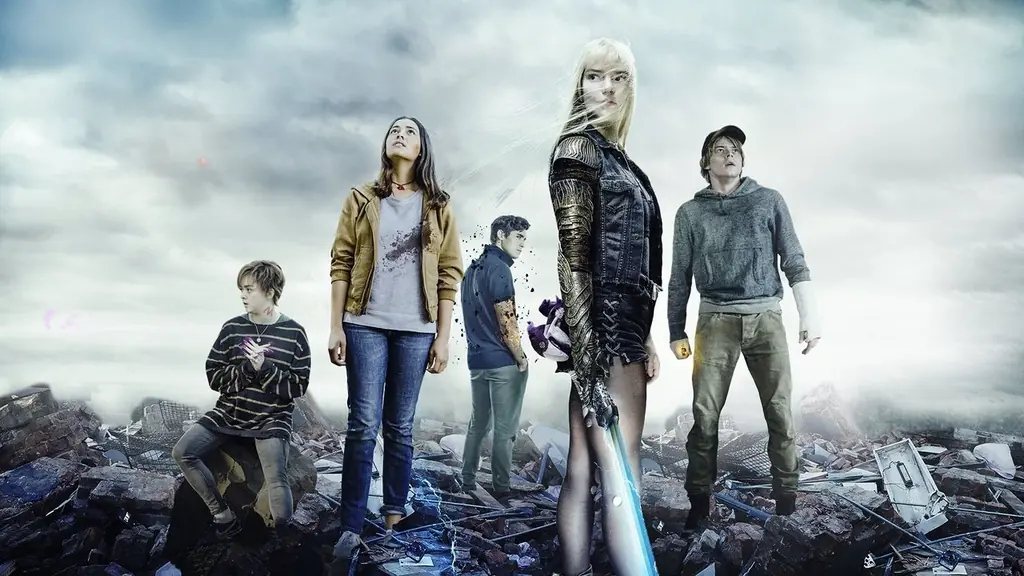
The narrative thrusts a group of young, newly powered mutants into a mysterious facility, deceptively labeled a "hospital." From the outset, the setting itself raises questions; with a conspicuous lack of staff and an unsettling atmosphere, it quickly becomes apparent this is no ordinary medical institution. Within these confines, the film attempts to forge connections among its diverse cast, including Blu Hunt as the enigmatic Dani Moonstar, Charlie Heaton as the volatile Sam Guthrie, Maisie Williams as the devout Rahne Sinclair, Henrique Zaga as the fiery Roberto da Costa, and Anya Taylor-Joy as the abrasive Illyana Rasputin. Yet, despite the ensemble, the character development remains stubbornly superficial. The personalities feel drawn from a "grab bag" of clichés: the brooding rebel, the religious innocent, the cocky alpha, and the troubled lead whose powers are as destructive as they are nascent. One character, in particular, embodies this lack of nuance, feeling like a walking stereotype, almost as if they should be "chewing gum" and declaring themselves "the alpha in the room." This reliance on archetypes prevents any genuine emotional investment, leaving the audience with little reason to care beyond the surface. When the film finally shifts into its more "scary" sequences, the impact is often undermined by unconvincing CGI, particularly in the manifestation of Dani's fear-based powers. The visual effects frequently pull viewers out of the moment, highlighting the film's technical shortcomings. The one shining light in this otherwise dim character landscape is Lockheed, who, despite being a non-human entity, manages to inject more personality and charm than most of the human cast. The final act, while a welcome burst of activity, feels more like a relief that "something finally happened" rather than a genuinely thrilling climax.

Cameos, Nostalgia & Narrative Stakes
The film's plot unfolds with a frustratingly predictable rhythm, stripping away any sense of genuine suspense. The "hospital" setting, intended to be a place of mystery and confinement, reveals its true, sinister nature far too early, leaving little room for discovery. Similarly, the central mysteries—Dani's burgeoning powers, the true intentions of their captors, and the identity of the unseen forces at play—are telegraphed well in advance. Audiences familiar with the genre, or even just the film's marketing, will likely deduce the answers long before the characters do, rendering the "reveals" anticlimactic. This predictability extends to the film's attempts at horror, which often feel like rehashes of more successful genre entries. The concept of manifesting one's deepest fears, for instance, feels borrowed and lacks the originality needed to truly terrify. The narrative struggles to find a balance between its comic book origins and its horror aspirations. It never fully commits to either, resulting in a diluted experience that feels like it has "one foot in each pool" but masters neither. This lack of decisive direction means the film fails to establish compelling narrative stakes, leaving the audience disengaged from the characters' plight and the overarching conflict.
Tone, Direction & Creative Freedom
Under the direction of Josh Boone, The New Mutants attempts a bold tonal fusion, but the execution often feels muddled and inconsistent. The film's identity crisis—torn between being a dark superhero origin story and a full-blown psychological horror—is evident throughout. This internal conflict manifests in a narrative that feels "shoddy" and "choppy," suggesting a troubled production history marked by creative compromises and studio interference. It carries the distinct impression of a movie that has been re-edited and re-tooled multiple times, resulting in a final product that lacks a cohesive vision. The intriguing concept of mutant powers manifesting as nightmare fuel, while promising, is rarely explored with the depth or terror it deserves. Instead, these moments often devolve into generic jump scares or rely on visual effects that fail to impress. The pacing, too, suffers from this lack of clear direction, with long stretches of boredom punctuated by moments of uninspired action. Ultimately, the film's inability to fully embrace and execute its unique premise leaves it feeling like a missed opportunity, a testament to how creative freedom, or the lack thereof, can impact a film's final quality.
The Final Verdict
The New Mutants arrives as a cinematic curio, a film that promised a groundbreaking blend of superheroics and horror but ultimately delivers a diluted and largely forgettable experience. While the core concept of a darker, more psychological X-Men story holds immense appeal, the execution is hampered by a litany of issues: cliché characters, a predictable plot, inconsistent pacing, and often unconvincing visual effects. It's a movie that struggles to find its footing, never fully committing to either of its genre aspirations, and consequently, mastering neither. While not an outright disaster, it fails to leave any lasting impression, fading from memory almost as quickly as the credits roll. For those who waited years for its release, the film is likely to be met with a shrug rather than a cheer.
What Worked
- Intriguing concept of horror-infused mutant powers
- Lockheed provides a welcome spark of personality
- The final act offers some fleeting entertainment
- Attempts a unique genre blend
What Didn't Work
- Cliché and underdeveloped characters
- Predictable plot with little genuine intrigue
- Inconsistent tone, failing to master either horror or comic book genres
- Reliance on unconvincing CGI and a "shoddy" overall feel



