Introduction
Christopher Nolan's latest cinematic endeavor, The Odyssey, plunges audiences into a visceral and deeply human retelling of Homer's ancient epic. Known for his intricate narratives and grand scale, Nolan approaches this mythological tale with his signature blend of grounded realism and breathtaking spectacle. The film promises not just an adaptation, but a distinct "Nolan does The Odyssey" experience, transforming a familiar story into something both epic and intimately terrifying.
The Plot & Execution
The Odyssey chronicles the arduous 10-year journey of Odysseus, King of Ithaca, as he strives to return home after the Trojan War. This decade-long struggle is depicted with an unflinching gaze, highlighting the immense challenges faced in a world devoid of modern navigation, where the whims of gods and monstrous encounters dictate fate. While Odysseus battles to find his way back, his wife and son in Ithaca contend with a horde of suitors vying for his throne, clinging to the hope of his survival. Nolan masterfully weaves these parallel narratives, creating a sense of urgency and emotional weight that underpins the fantastical elements. The film's pacing, though noted for a deliberate, information-rich opening, ultimately builds to a profoundly satisfying and emotionally resonant conclusion, particularly in its final hour.

Performances & Characters
The ensemble cast of The Odyssey delivers a series of compelling performances that anchor the mythological narrative in human emotion. Matt Damon, in an unexpected but ultimately powerful turn as Odysseus, commands the screen with a portrayal that is both rugged and vulnerable, embodying the king's enduring spirit and profound weariness. His performance defies initial expectations, proving to be a significant strength of the film.
Supporting roles are equally impactful, with actors like Tom Holland and Anne Hathaway providing reliable and nuanced performances as Odysseus's son and wife, respectively, grappling with their own struggles in Ithaca. Robert Pattinson delivers a memorable performance, portraying a character whose cruelty is palpable and effectively unsettling. However, it is the unexpected standouts, such as Kumail Nanjiani as a member of Odysseus's crew and particularly John Leguizamo, who truly shine. Leguizamo's role is far more substantial and surprising than anticipated, adding significant depth and impact to the narrative.
The film also features brief but notable appearances from actors like Lupita Nyong'o as Helen of Troy and Elliot Page as a young soldier. While their screen time is minimal, these roles are strategically placed, serving to underscore the vastness of the world and the diverse individuals touched by the war and its aftermath, rather than feeling like mere cameos. The inclusion of these characters, even in fleeting moments, contributes to the film's rich tapestry.
Direction & Technical Aspects
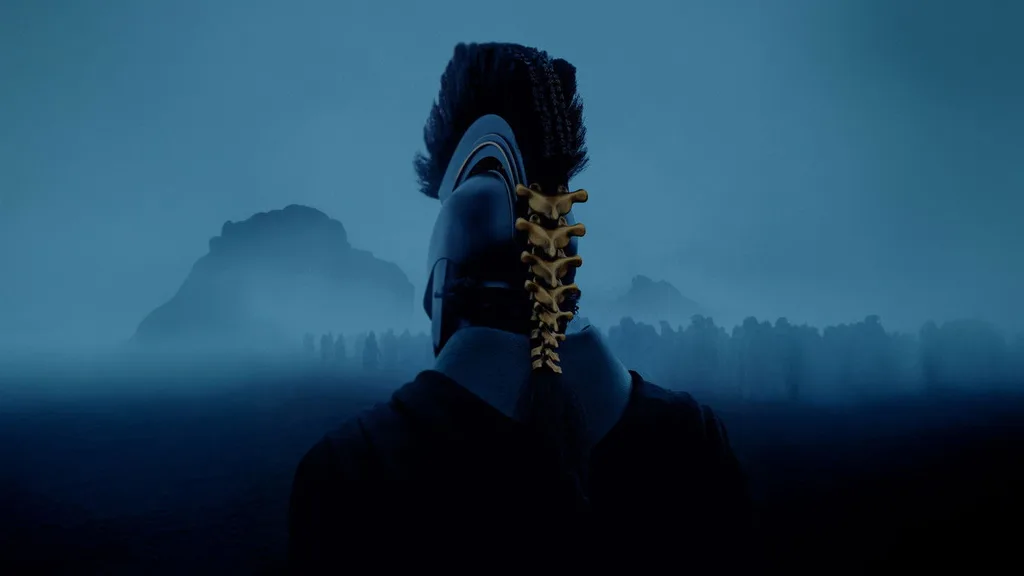
Christopher Nolan's directorial vision for The Odyssey is characterized by an unwavering commitment to visual authenticity and immersive storytelling. The film eschews the often-criticized "haze of green screen" in favor of practical effects and meticulously crafted environments, resulting in a world that feels both ancient and tangibly real. This dedication to realism extends to the portrayal of mythological elements, making the magic and monsters of the Odyssey terrifyingly grounded.
Nolan masterfully infuses the narrative with elements reminiscent of a horror film, particularly in sequences like the Cyclops' cave and the Circe scene. These moments are genuinely unsettling, creating an existential dread that mirrors the characters' own experiences. The sound design, often a point of contention in Nolan's previous works, is utilized here with deliberate intent. While some moments are notably louder, such as the Cyclops' scream, this serves to amplify the nightmare-inducing atmosphere rather than detract from the experience. Similarly, the lighting, though darker than many contemporary films, is employed with a keen eye for contrast and shadow, creating a visually rich and dynamic aesthetic that avoids a flat or dull appearance.
While the film largely succeeds in its visual grandeur, a minor critique can be leveled at the depiction of certain monsters, such as Scylla, which are glimpsed rather than fully revealed, leaving some aspects to the imagination. However, this "less is more" approach often enhances the sense of dread and mystery. Ludwig Göransson's musical score is another standout, providing a deeply emotional and somber backdrop that perfectly complements the film's themes of loss, pain, and the human spirit. The score is integral to the film's emotional impact, resonating long after the credits roll.
The Verdict
The Odyssey is a monumental achievement for Christopher Nolan, offering a profound and unforgettable cinematic experience. It transcends the typical action-adventure genre, presenting itself more as a drama imbued with thrilling action sequences. The film's ability to evoke deep emotional responses, exploring themes of family, sacrifice, and the enduring impact of war, is its greatest strength. Despite a deliberate opening, the narrative's eventual cohesion and emotional payoff are immense, leaving a lasting impression that extends beyond the theater.
This adaptation is a testament to Nolan's unique ability to take a classic tale and imbue it with a fresh, terrifying, and deeply human perspective. It is a film that demands attention, rewards patience, and ultimately delivers a powerful, soulful, and "awesometacular" journey that stands as one of the year's most compelling cinematic offerings.
What Worked
- Epic scope and visually stunning realism
- Grounded and terrifying portrayal of mythology
- Strong, unexpected lead performance by Matt Damon
- Impactful supporting cast, especially John Leguizamo
- Masterful sound design and atmospheric lighting
- Profound emotional depth and resonant themes
- Excellent musical score by Ludwig Göransson
What Didn't Work
- Initial pacing can feel slow for some viewers
- Brief appearances of some notable actors
- Depiction of certain monsters (e.g., Scylla) is fleeting
- Dialogue style may not appeal to all audiences