Introduction: Predictable Thrills, Familiar Chills
From the outset, The Perfect Guy arrives with a palpable sense of déjà vu. Audiences stepping into this thriller might find themselves wondering if they've seen this story before—and the answer is, very likely, yes. The setup is a classic, well-trodden path: a woman, played by Sanaa Lathan, breaks free from a relationship that no longer serves her, only to fall head over heels for a seemingly ideal new partner. He's charming, he says all the right things, and he even wins over her parents. But as the title subtly hints, perfection often hides a darker, more sinister truth. This film quickly establishes its "Fatal Attraction"-esque premise, leaving little room for genuine surprise as the narrative unfolds exactly as one might expect, telegraphing every twist and turn well in advance. The initial promise of a fresh take on the psychological thriller quickly dissipates, replaced by a familiar formula.
The Lead Dynamic & The Action
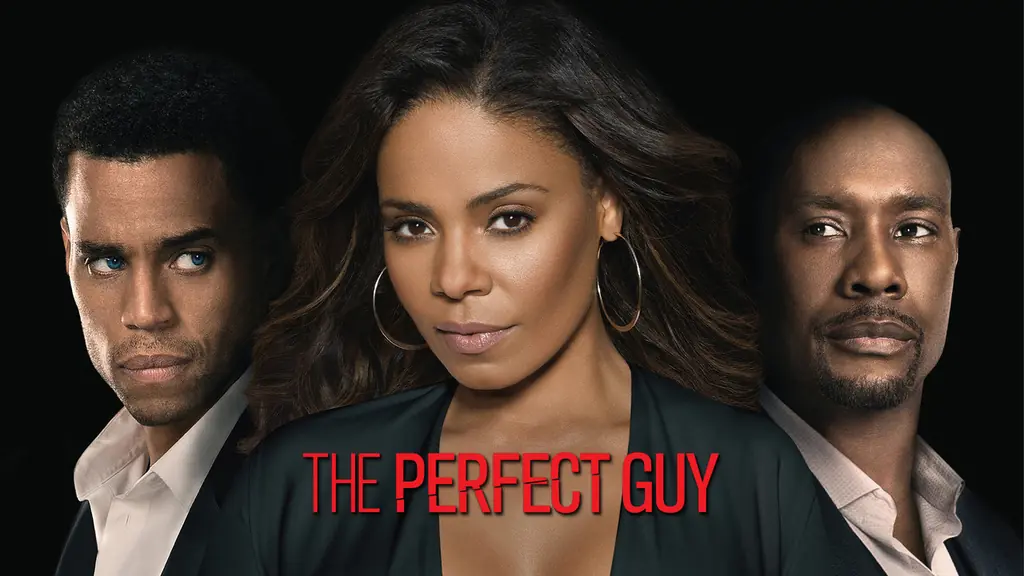
The film wastes no time in rushing its central romance, a pacing choice that ultimately undermines any emotional investment. Within what feels like mere minutes, the protagonist ends one relationship with Morris Chestnut and dives headfirst into another with the charismatic, yet ultimately unsettling, Michael Ealy. This whirlwind courtship, which includes an eyebrow-raisingly "sleazy" first intimate encounter in a public bathroom, feels less like the mature romance of career-driven adults and more like impulsive teenage behavior. It's a scene that actively works against establishing any sense of class or genuine connection between the characters. While Michael Ealy is undeniably effective in his role, portraying the transition from dream man to unstable stalker with chilling conviction, the rapid-fire pacing of their initial connection makes his eventual snap feel less impactful. The film struggles to build a believable foundation for their relationship before it inevitably crumbles into obsession. The only truly likable and grounded presence comes in the form of the detective, played by Holt McCallany, who offers a relatable anchor amidst the escalating chaos, providing a much-needed dose of common sense in a world spiraling out of control.
Cameos, Nostalgia & Narrative Stakes
The Perfect Guy struggles significantly with its narrative momentum and, more critically, its originality. The plot, a well-worn tale of obsession and stalking, offers no fresh twists or compelling stakes. It's a story that feels recycled, a direct remake in spirit if not in name, of countless thrillers that have come before it. The film's most glaring flaw might be its compressed timeline; what should logically span months, allowing for character development and the slow burn of psychological terror, appears to unfold over a mere week or two. This rushed progression makes character motivations feel unearned and the rapid escalation of events less impactful. The audience is left with a sense of watching a familiar television episode on repeat, rather than an engaging cinematic experience that builds genuine suspense. The predictability is so pervasive that it actively detracts from any potential tension, leaving viewers several steps ahead of the characters.
Tone, Direction & Creative Freedom
Under the direction of David M. Rosenthal, The Perfect Guy maintains a consistent, albeit predictable, tone. The film leans heavily into the thriller genre's established conventions without attempting to subvert them or inject new life. The pacing, while brisk in its early stages, ultimately contributes to the film's superficiality rather than building genuine suspense or character depth. There's a distinct feeling that the creative team played it safe, delivering a product that adheres strictly to a proven formula, rather than exploring any genuine creative freedom or pushing the boundaries of the genre. The performances, while generally passable, are not enough to elevate the material beyond its generic roots. It's a film that fulfills the basic requirements of its genre but rarely, if ever, transcends them. The result is a film that is competent but ultimately forgettable, leaving little lasting impression.
The Final Verdict: A Time-Killer, Nothing More
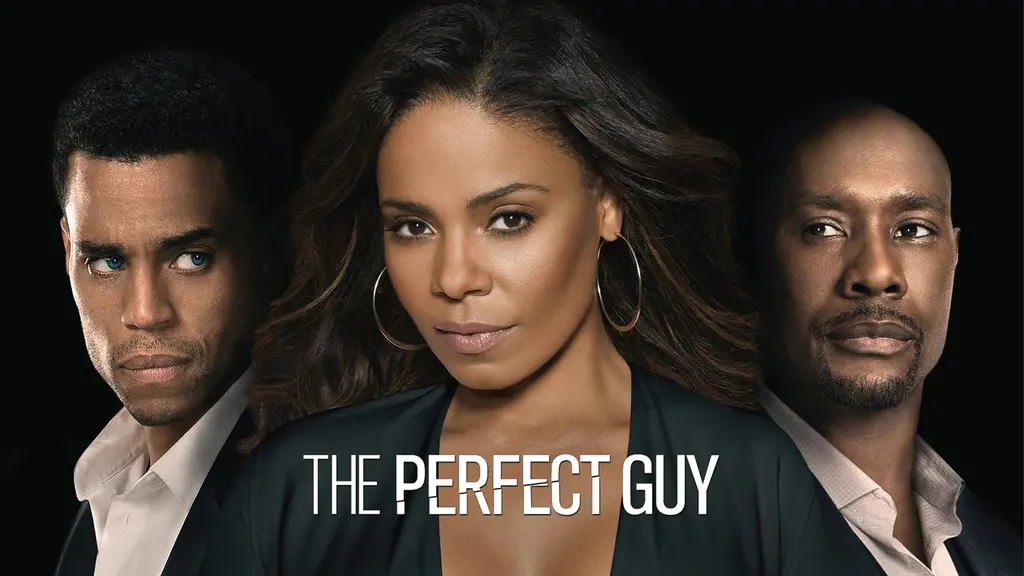
Ultimately, The Perfect Guy is a film that simply exists. It features competent performances, particularly from Michael Ealy who excels at playing the "unstable dick," and it follows a recognizable blueprint for psychological thrillers. However, it offers little in the way of originality, genuine suspense, or lasting impact. This is precisely the kind of movie one might stumble upon on television and leave on for background noise, perhaps while engaged in other activities like painting miniatures. It's not a film worth seeking out, paying for, or dedicating focused attention to. For those who enjoy cataloging every "Fatal Attraction"-esque thriller, it's another entry to add to their mental database. For everyone else, it's a perfectly forgettable way to kill some time, best enjoyed with a healthy dose of inattention. Don't expect to be thrilled; expect to pass an hour and a half.
What Worked
- [[person:8177|Michael Ealy]] delivers a convincing performance as the unstable antagonist.
- The detective character provides a likable and grounded presence.
- Performances across the board are generally passable.
- A decent option if you're looking for undemanding background entertainment.
What Didn't Work
- Rushed pacing makes early character development feel unearned and superficial.
- Highly predictable plot, echoing countless thrillers before it.
- Lacks originality, feeling like a direct remake of "Fatal Attraction."
- Questionable character decisions and a "sleazy" first intimate encounter.