Introduction
From the mind of Christopher Nolan, The Prestige arrived in 2006, nestled between his groundbreaking "Batman Begins" and the monumental "The Dark Knight." This was a time when audiences were forced to choose between two magician-centric films, with "The Illusionist" also vying for attention. Yet, The Prestige quickly established itself as a film of singular craft and enduring appeal. It's a movie that, at face value, presents an engaging saga of rival magicians in late 19th-century London, but beneath the surface, it's a profound cinematic magic trick in itself. If you haven't experienced its wonders, prepare to be enthralled by a narrative that mirrors the very illusions it portrays.
The Lead Dynamic & The Action
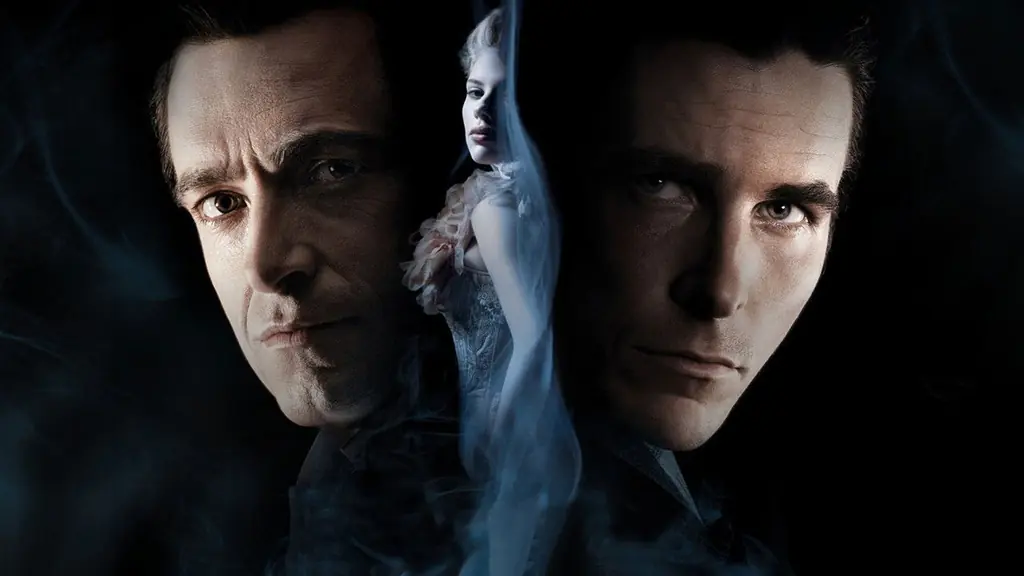
The heart of The Prestige beats with the intense, escalating rivalry between two up-and-coming illusionists, Robert Angier, played by Hugh Jackman, and Alfred Borden, portrayed by Christian Bale. Their initial collaboration quickly sours into a bitter, all-consuming feud following a tragic accident, setting off a relentless cycle of one-upmanship. The tension between these two is palpable, driving the narrative forward with an almost obsessive energy. This dynamic finds a fascinating parallel in the historical rivalry between Tesla and Edison, a theme subtly woven into the film, with David Bowie delivering a scene-stealing performance as Nikola Tesla. Every detail matters, every move calculated, creating a compelling study of conflict and ambition. Notably, Hugh Jackman's portrayal of a belligerent, drunken double for his character is a standout, showcasing a remarkable transformation that initially left audiences questioning if it was truly him.

Cameos, Nostalgia & Narrative Stakes
The Prestige is a masterclass in craftsmanship, a film where every element serves a purpose. It's a character piece that delves deep into the nature of ambition, exploring the perilous line between dedication and obsession. The film unflinchingly examines the pain and destruction left in the wake of such consuming drives, and the collateral damage inflicted upon those caught in the crosscurrents of others' relentless pursuits. The narrative ensures that even seemingly minor details on a first watch reveal their crucial importance upon subsequent viewings, making the film a rewarding experience that constantly unveils new layers. It's a testament to meticulous storytelling, where the stakes are not just about who performs the better trick, but about the very souls of the men involved.
Tone, Direction & Creative Freedom
Christopher Nolan demonstrates his prowess as a craftsman of imagination, a director often compared to the likes of James Cameron for his ability to blend spectacle with profound storytelling. Much like Cameron's "The Abyss" stands as a low-key gem amidst his blockbusters, The Prestige holds a similar place in Nolan's filmography. While his other works might cast larger shadows, this film is undeniably one of his finest, often overlooked masterpieces. The final act, in particular, demands a leap of faith from the audience, a willingness to suspend disbelief and follow Nolan's vision. For those who take his hand, the reward is an "amazing ending" that resonates long after the credits roll. It's an ending so impactful that it compels immediate rewatches, not out of obligation, but out of a genuine desire to unravel its intricate design.
The Final Verdict
The Prestige is nothing short of awesometacular. It's a film that begs for repeat viewings, not as a chore, but as an exhilarating journey of discovery. Each rewatch reveals new nuances, hidden clues, and deeper meanings, making it a truly immersive experience. This isn't just a movie; it's an intricate puzzle box that continually rewards those who engage with its complexities. For anyone who appreciates a meticulously crafted narrative, compelling characters, and an ending that delivers a profound punch, The Prestige is an absolute must-see. It's a film that exemplifies the very best of cinematic storytelling, leaving an indelible mark on its audience.
What Worked
- Intense, escalating rivalry between lead characters.
- Intricate, well-crafted narrative with significant rewatch value.
- Exploration of ambition and its destructive consequences.
- Outstanding performances, especially Hugh Jackman's transformative role.
- A truly "amazing" and impactful ending.
What Didn't Work
- The final act requires a significant "leap of faith" from the audience.
- Crucial details may be missed on a first viewing, necessitating rewatches for full appreciation.
- Can be emotionally intense due to its dark themes of obsession and tragedy.