
Introduction
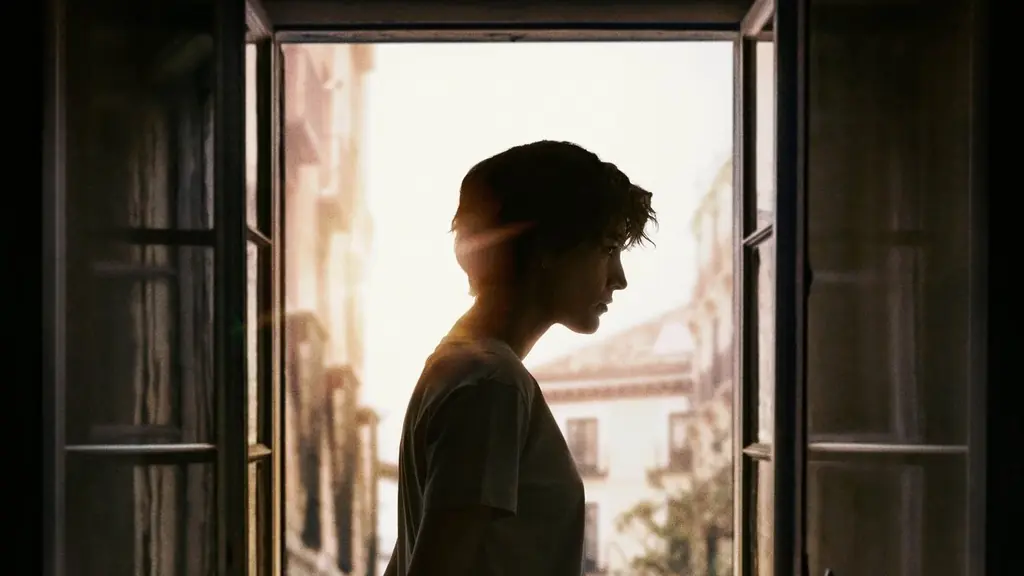
The promise of a grounded, gritty revenge thriller often sets high expectations, and The Rhythm Section arrived with the intriguing premise of turning a grieving civilian into a reluctant assassin. Audiences were eager to see how this familiar setup would be handled, especially with Blake Lively stepping into the lead role. The film plunges viewers into the desolate life of Stephanie Patrick, whose family was tragically killed in a terrorist attack. Lost in a spiral of despair, she discovers the crash wasn't an accident. This revelation ignites a desperate quest for vengeance, leading her to a shadowy figure, Jude Law's character, who offers to train her for a world she's utterly unprepared for. While the core concept of avenging dead family members is a well-worn path in cinema, this film attempts to inject some much-needed realism into the often-glamorized assassin trope.
The Lead Dynamic & The Action
What truly sets The Rhythm Section apart is its unflinching portrayal of Stephanie's journey from ordinary person to would-be killer. The film never pretends she's a natural-born operative; in fact, it consistently highlights her struggles and ineptitude. Jude Law's character, her reluctant mentor, frequently monologues about her unsuitability for the brutal path she's chosen, emphasizing that she's "not built for this." This commitment to realism extends to the action sequences, which are commendably executed. A standout moment is a visceral, seemingly one-shot fight sequence between Stephanie and her trainer, showcasing raw, messy combat rather than polished choreography. Another highlight is a car chase that expertly places the audience in the passenger seat, creating a palpable sense of urgency and danger. These moments are impactful precisely because they are earned, punctuating a narrative that prioritizes character over constant spectacle.

Cameos, Nostalgia & Narrative Stakes
The film weaves a complex web of characters and connections in its espionage plot, which can sometimes be a double-edged sword. Keeping track of the various players and their allegiances can feel like navigating a "tangled web of people who know people," occasionally making the narrative a bit hard to follow. Furthermore, The Rhythm Section introduces compelling psychological themes, particularly the profound mental toll of becoming a killer. It initially explores how getting one's hands dirty in this world would "really mess with their head." However, this intriguing exploration of Stephanie's deteriorating mental state and moral compromises seems to be sidelined at a certain point, leaving some character development feeling incomplete. The film hints at deeper emotional stakes but doesn't always fully commit to hammering those points home.
Tone, Direction & Creative Freedom
Under the direction of Reed Morano, The Rhythm Section is competently made and well-directed, with strong performances across the board. The film maintains a serious, grounded tone, never attempting to be a non-stop action blockbuster. This deliberate pacing, however, occasionally works against it. While the film isn't boring, there are moments where the narrative feels undeniably slow, making the movie seem longer than its actual runtime. This isn't a film that bombards you with constant thrills; instead, it asks for investment in Stephanie's personal quest. For those who can connect with her arduous journey, the pacing shortcomings become more forgivable, allowing the film's strengths to shine through.
The Final Verdict
The Rhythm Section is a compelling, if imperfect, entry into the revenge thriller genre. Its commitment to portraying a realistic, struggling protagonist in a brutal world is its greatest asset, bolstered by impactful action sequences and solid direction. While the narrative can occasionally feel convoluted and its pacing sometimes drags, the film ultimately succeeds in making viewers invested in Blake Lively's character and her desperate mission. It's a film that leaves a lasting impression, proving that a good time at the movies can still be had even when the journey is fraught with imperfections.
What Worked
- Realistic and grounded portrayal of an untrained assassin.
- Impactful, well-choreographed action sequences, including a memorable one-shot fight.
- Strong, committed performance from [[person:59175|Blake Lively]].
- Competent direction by [[person:67356|Reed Morano]].
- Successfully invests the audience in the protagonist's difficult journey.
What Didn't Work
- Pacing issues make the film feel longer than its runtime.
- Narrative can be confusing with a "tangled web" of characters.
- Drops interesting psychological themes about the toll of violence.
- Some plot conveniences that require suspension of disbelief.



