Introduction
Anticipation hung as high as the Twin Towers themselves for The Walk, a biographical drama promising to take audiences to dizzying new heights. Based on the incredible true story of Philippe Petit, the French high-wire artist who famously walked between the World Trade Center towers in 1974, this film arrived with the promise of a unique cinematic experience. The challenge for director Robert Zemeckis was clear: how to translate such a singular, audacious feat into a compelling narrative that captivates from start to finish, especially when the outcome of the central event is already known to history. The film sets out to immerse viewers in Petit's world, his obsession, and the meticulous, almost impossible planning required for his "artistic crime of the century."
The Lead Dynamic & The Action
At its core, The Walk hinges on the magnetic performance of Joseph Gordon-Levitt as Petit. He embodies the driven, almost obsessive passion of a man whose life revolves entirely around the wire. His portrayal captures the essence of an artist not motivated by ego or money, but by an unyielding purpose and a relentless pursuit of his dream. The film attempts to weave in a romantic subplot with Charlotte Le Bon, but this element largely remains serviceable, never quite stealing the show or developing into a deeply engaging romance. It serves primarily to highlight the tension Petit's singular focus creates in his personal life, underscoring his workaholic nature and the sacrifices made for his art. The supporting cast, including Ben Kingsley as Petit's mentor, Papa Rudy, provides solid grounding for the ambitious protagonist.
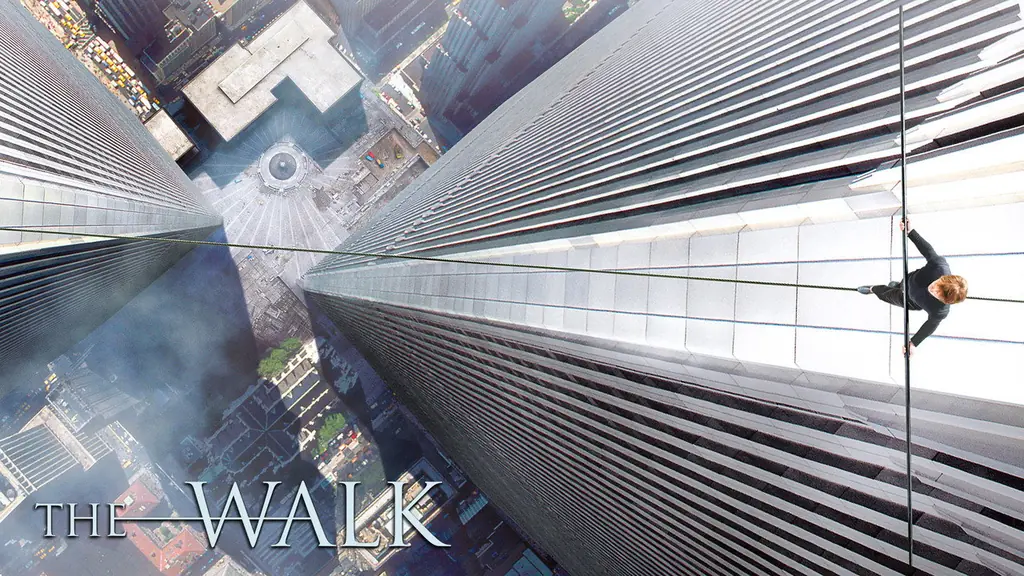
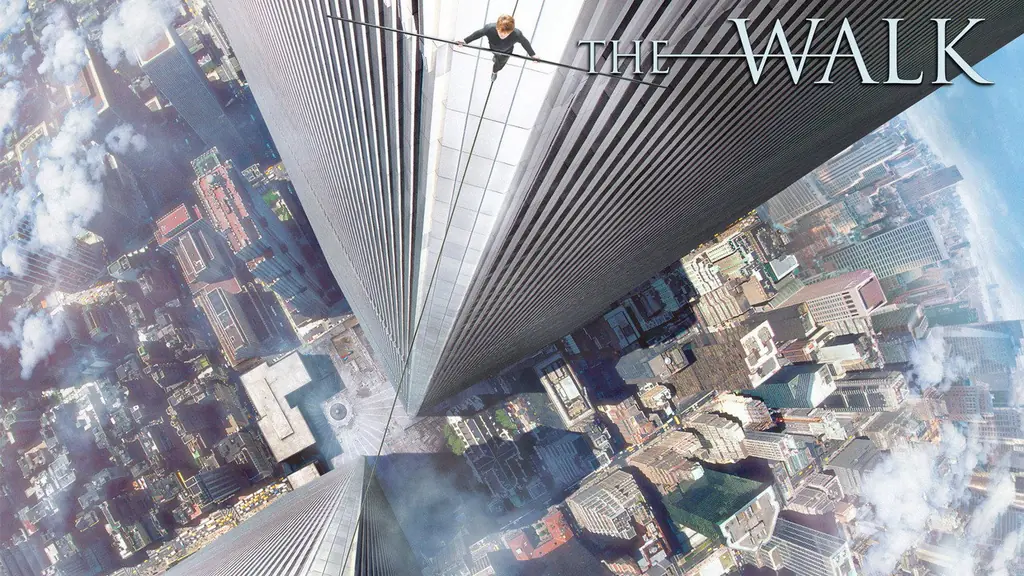
The true spectacle, however, lies in the meticulous planning and execution of the "coup." The film transforms the infiltration of the World Trade Center into a thrilling, almost "tactical espionage operation," reminiscent of a heist movie. The crew's clandestine efforts to string the wire across the immense chasm, avoiding security and overcoming engineering challenges, are fraught with tension, building expertly towards the main event. When Petit finally steps onto the wire, the film truly soars. Directed by Robert Zemeckis, the final act is nothing short of amazing, especially when experienced in IMAX 3D. The immersive visuals place viewers directly on the wire, making the audience feel every sway, every gust of wind, and the terrifying expanse below. It’s a visceral experience that perfectly conveys the sheer audacity and terror of Petit's feat, transporting you back to 1974 and onto that precarious wire with breathtaking realism.
Cameos, Nostalgia & Narrative Stakes
The Walk is a "crockpot of different movie elements," attempting to blend biography, romance, and heist thriller into a cohesive whole. While the true story itself is inherently compelling—many viewers, like this critic, may be discovering Petit's incredible tale for the first time, given that a Google search for World Trade Center history rarely highlights this event—the narrative structure occasionally stumbles. A particularly jarring element is the recurring voiceover device, where Joseph Gordon-Levitt as Petit addresses the audience directly from atop the Statue of Liberty. This breaks the fourth wall in a way that feels less intimate and more like an odd, out-of-place framing device, leaving many audience members scratching their heads and questioning its purpose. It's a creative choice that detracts from the immersion rather than enhancing it, prompting questions about why a more conventional, less disruptive voiceover wasn't employed. Despite these narrative quirks, the film successfully builds stakes around a historical event, making the audience genuinely invested in the outcome of Petit's impossible dream, even when the history books already tell the tale.
Tone, Direction & Creative Freedom
Robert Zemeckis demonstrates his directorial prowess most effectively in the film's latter half. While the first half "trucks along" as it establishes Petit's background, his early high-wire acts, and his motivations, the pacing tightens considerably once the focus shifts to the actual planning and the walk itself. Zemeckis masterfully uses the cinematic medium to convey the immense scale of the World Trade Center and the terrifying height of Petit's endeavor. The film's ability to make you feel the vertigo and the exhilaration of the high-wire act is its greatest triumph. It’s a powerful demonstration of why movies are made, creating an experience that transcends mere storytelling. It’s a testament to the director's vision that he manages to make a historical event feel immediate and intensely personal, allowing the audience to experience the awe and fear of being hundreds of feet above the ground on a thin wire. The film feels like a passion project, with the creative freedom to truly explore the visual and emotional impact of Petit's extraordinary journey, making the audience feel the danger and the triumph.
The Final Verdict
The Walk is a film of two distinct halves. Its initial chapters, while necessary for context, struggle with pacing and an occasionally awkward narrative framing device that pulls viewers out of the story. However, once the stage is set and the focus narrows to the audacious act itself, the film transforms into a breathtaking spectacle. The final act is a cinematic marvel, delivering an immersive, vertigo-inducing experience that justifies the price of admission, especially for those seeking the full 3D/IMAX treatment. It’s a powerful reminder of an incredible, almost forgotten piece of history, showcasing the indomitable spirit of a man who dared to dream beyond the clouds. While not without its flaws, the sheer impact and visual splendor of its climax make The Walk a journey worth taking, and one that lingers long after the credits roll.
What Worked
- Breathtaking, immersive final act, especially in 3D/IMAX.
- Strong, passionate performance from [[person:24045|Joseph Gordon-Levitt]].
- Compelling true story, unknown to many, brought to life.
- Effective direction by [[person:24|Robert Zemeckis]] in creating tension and height.
- Supporting cast effectively aids the central mission.
What Didn't Work
- Slow, "trucks along" first half.
- Jarring, questionable voiceover/Statue of Liberty framing device.
- Romance subplot is merely "serviceable" and lacks depth.
- Uneven pacing detracts from overall flow.