
Introduction
From the moment the first whispers of The Witch emerged from Sundance, a palpable buzz began to build. This was touted as the next big thing in horror, a film that promised to redefine terror. Yet, for many, the reality of The Witch proved to be a jarring departure from expectation. Audiences, primed for jump scares and conventional frights, often found themselves in an auditorium full of "Stoner teenagers" who, expecting a typical scary movie, walked out wondering what they had just witnessed. This isn't a film designed for cheap thrills; it's a meticulously crafted period piece that happens to harbor deeply unsettling witchcraft elements, unfolding with a subtlety that challenges the very definition of horror for mainstream viewers. It's a film that demands patience, rewarding those who lean into its pervasive dread rather than waiting for a sudden jolt.
The Lead Dynamic & The Action
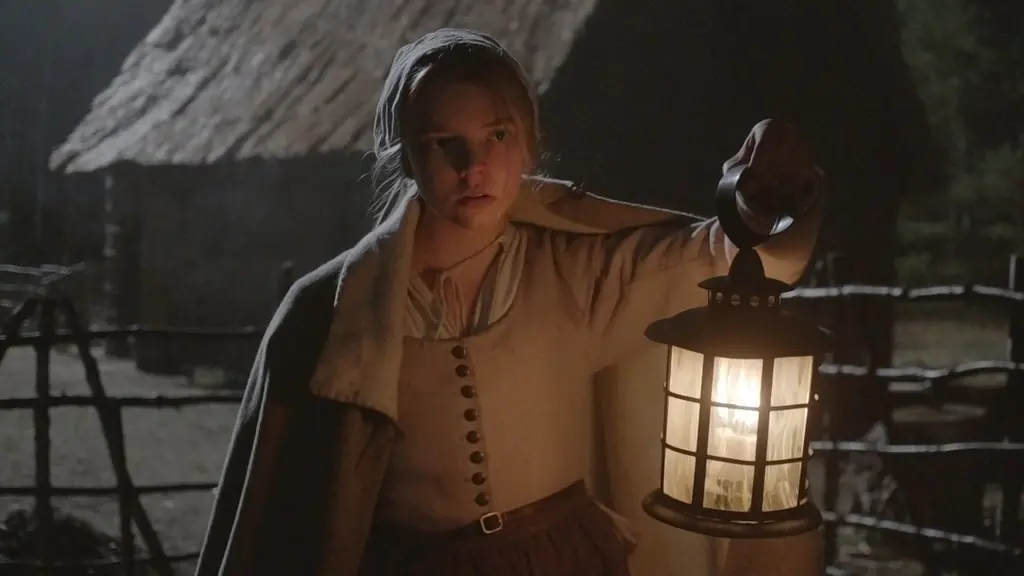
At its core, The Witch centers on a family exiled to the desolate fringes of 17th-century New England, grappling with an unseen, malevolent force. The film is less about "action" in the traditional sense and more about the slow, agonizing unraveling of a family unit under supernatural duress. What truly anchors this descent into madness are the performances. The acting throughout is nothing short of awesome, particularly given the linguistic demands of the script. Characters speak in a dialect so authentic to the King James Bible era that it could easily feel stilted or forced. Yet, every actor, from the patriarch to the youngest child, delivers their lines with a remarkable naturalness. When they utter phrases like "I love thee as thou loves thine nay for hither," it feels genuinely lived-in, not merely recited. This commitment to period-accurate dialogue, combined with the raw emotional performances, creates a palpable sense of historical immersion, making the family's plight all the more visceral. There are no grand fight sequences or explosive set pieces; instead, the horror is internal, psychological, and deeply personal, manifesting in disturbing imagery and the slow erosion of faith and sanity. The true "action" here is the relentless psychological torment inflicted upon the family, culminating in moments of quiet, profound terror.
Cameos, Nostalgia & Narrative Stakes
The Witch is, first and foremost, a period piece about a family, and understanding this is crucial to appreciating its narrative stakes. It's not concerned with fan service or shoehorned cameos; its focus is entirely on the isolated existence of this Puritan family and the insidious evil that encroaches upon them. The film's pacing is deliberately a "slow burn," a term often used in "artsy fartsy film speak" to describe movies that might feel "boring in quite a few scenes" to some viewers. However, this deliberate pace is essential to building the film's suffocating atmosphere. It allows the subtle, horrific events to seep into the audience's consciousness, mirroring the family's own gradual realization of their predicament. The closest comparison one might draw, surprisingly, is to The Shining, reimagined for the 1600s. Like Kubrick's masterpiece, The Witch excels at generating tension for the sake of tension itself. It winds and winds, creating an almost unbearable sense of dread, but it doesn't necessarily offer a cathartic release or a neat payoff. This can be frustrating for those expecting a traditional narrative arc, but it's precisely this relentless, unresolved tension that makes the film so uniquely disturbing. The stakes are existential: the very souls and sanity of the family members are on the line, threatened by a malevolent force that preys on their fears, sins, and isolation.
Tone, Direction & Creative Freedom
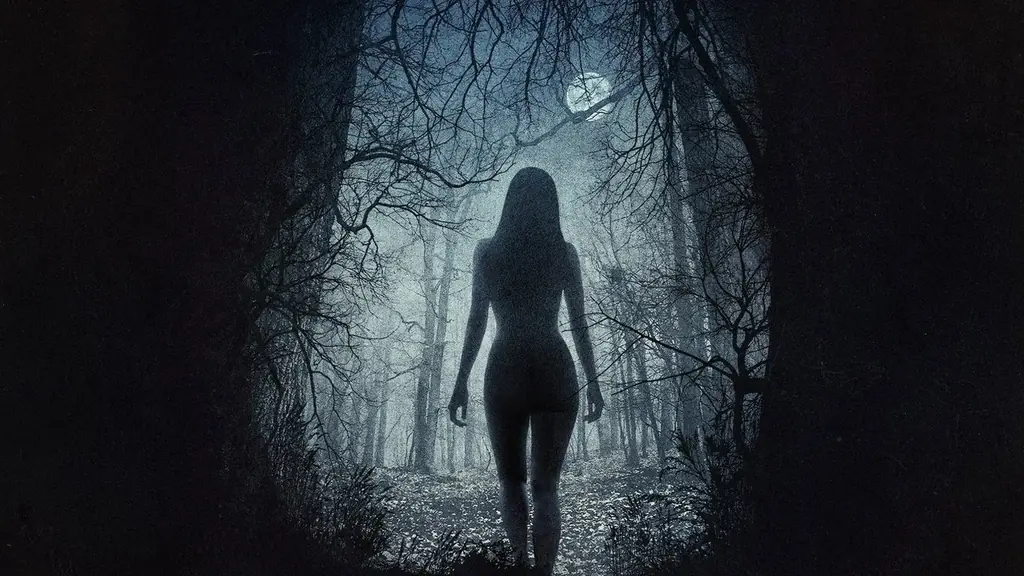
Robert Eggers, in his feature film directorial debut, demonstrates an astonishing command of tone and atmosphere. His vision for The Witch is singular and uncompromising. The film's aesthetic is relentlessly drab, characterized by a perpetually cloudy, wet color palette that mirrors the bleakness of the family's existence. Living in a state like Washington, where such weather is common, the reviewer noted how this constant grayness could be bothersome, yet it undeniably contributes to the film's oppressive mood. This is a movie that has "tone for days," where every frame is steeped in a sense of foreboding and historical authenticity. Eggers masterfully weaves elements from classic fairy tales into the narrative, but he twists them into something profoundly disturbing. It's a brilliant way to "get adults to be scared of the dark again," by taking cherished childhood memories and burning them to the ground with a sinister, adult sensibility. The film feels like a product of immense creative freedom, allowing Eggers to craft a vision that is both deeply personal and universally unsettling. There's a sense that no studio interference diluted his artistic intent, resulting in a film that is raw, uncompromising, and utterly unique. The direction is precise, every shot contributing to the pervasive sense of unease, making the audience feel as isolated and vulnerable as the family on screen.
The Final Verdict
Ultimately, The Witch is a film that defies easy categorization and certainly defies typical horror expectations. It's a period piece, a psychological drama, and a folk horror tale all rolled into one, delivered with an unwavering commitment to its unsettling vision. While it might not deliver the immediate scares that some audiences crave, and its "slow burn" approach might lead to moments that feel less than thrilling, its strengths are undeniable. The exceptional acting, the meticulously crafted atmosphere, and Robert Eggers's confident direction make it a compelling watch. If you approach The Witch expecting a deeply atmospheric period piece about a family's descent into terror, steeped in historical detail and subtle dread, you will undoubtedly enjoy the experience. However, if your expectation is a conventional "scary movie" filled with jump scares and clear-cut resolutions, you are likely to be disappointed. This is a film for those who appreciate tension over payoff, tone over plot, and a chilling, intellectual horror that lingers long after the credits roll. It's a good time, no alcohol required, for the right audience.
What Worked
- Exceptional acting and authentic period dialogue.
- Masterful tone and pervasive tension.
- [[person:138781|Robert Eggers]]'s impressive directorial debut.
- Cleverly reworks classic fairy tale elements for adult horror.
- Deeply unsettling and atmospheric.
What Didn't Work
- Often mis-marketed as a conventional horror film.
- Its "slow burn" pacing can feel boring to some viewers.
- Tension builds without a traditional release or payoff.
- Drab, perpetually cloudy aesthetic might be off-putting.



