
From the moment Train to Busan hit streaming, the buzz was undeniable. Audiences raved, hailing it as a fresh, exhilarating take on the zombie genre. And for good reason: this South Korean horror film isn't just another entry; it's a two-hour masterclass in sustained tension, proving once again that Korean cinema consistently delivers unparalleled quality.
The Lead Dynamic & The Action
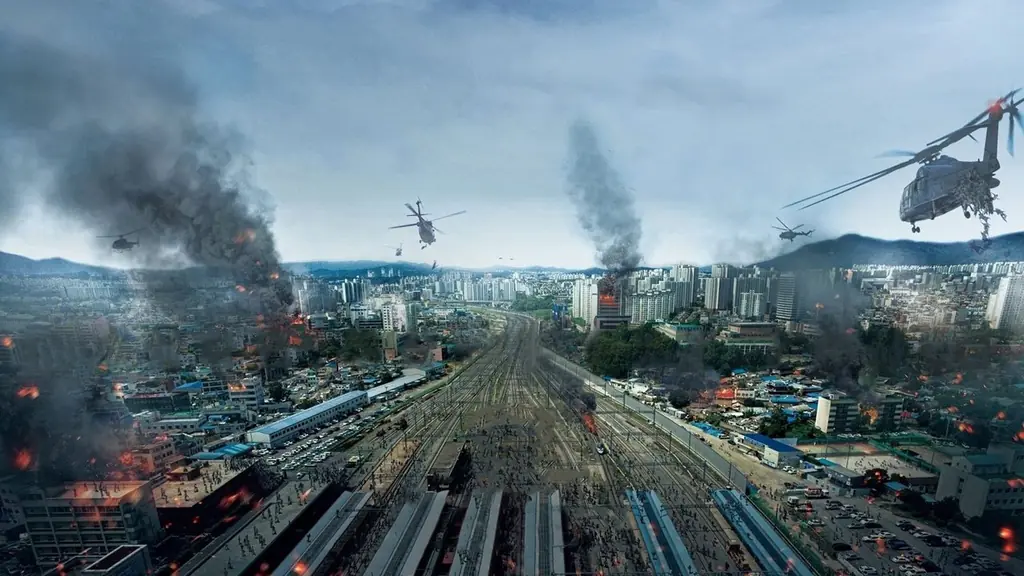
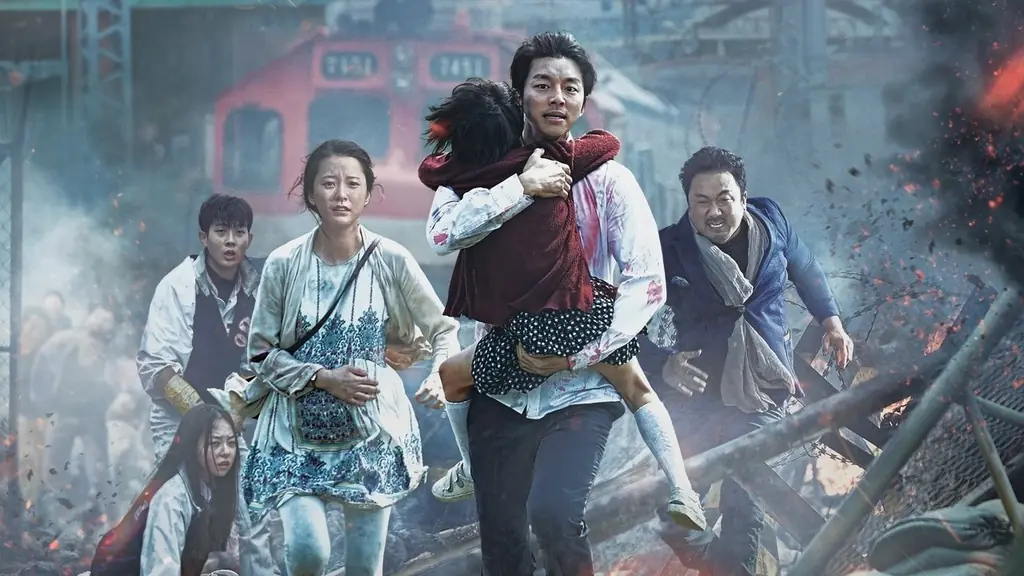
The film introduces us to Seok-woo (Gong Yoo), a work-obsessed fund manager, and his daughter Su-an (Kim Su-an), who simply wants to visit her mother in Busan. What begins as a routine train journey quickly devolves into a nightmare as a zombie outbreak erupts. Forget the shambling undead; these are the fast, relentless kind, reminiscent of Zack Snyder's "Dawn of the Dead." The claustrophobic confines of the train amplify the terror, creating a "fight or flight" feeling of perpetual anxiety. There's no calm before the storm here—just an unyielding tempest of terror that keeps viewers on the edge of their seats. Every carriage becomes a battleground, every moment a desperate struggle for survival, making for some truly memorable and intense action sequences.
Character Growth & Narrative Stakes
What truly elevates Train to Busan beyond mere genre fare is its profound focus on character. As the train hurtles towards an uncertain future, a diverse group of survivors, including the tough-as-nails Sang-hwa (Don Lee), are forced to confront not only the undead but also their own humanity. The film masterfully develops these individuals, fostering genuine attachment. Unlike many zombie narratives where character deaths are anticipated, here, the emotional investment is so strong that every close call feels genuinely perilous. The narrative also subtly, yet powerfully, weaves in themes of classism, showcasing how societal divisions persist even in the face of apocalypse. This nuanced exploration of human nature, contrasting sharply with Hollywood's often heavy-handed approach, makes the film deeply compelling.
Tone, Direction & Creative Freedom
Director Yeon Sang-ho orchestrates a symphony of suspense, maintaining an almost unbearable level of intensity throughout the film's runtime. The pacing is relentless, ensuring that neither the characters nor the audience ever truly gets a moment to breathe. Despite the high stakes and visceral action, the film never devolves into gratuitous gore, instead relying on expertly crafted tension and the emotional weight of its characters' struggles. This measured approach, combined with the director's clear vision, results in a zombie film that is both thrilling and surprisingly heartfelt.
The Final Verdict
Train to Busan is an "awesome-tacular" experience that lives up to every ounce of its hype. It's a roller coaster of emotions, delivering great characters you genuinely care about, heart-pounding thrills, and a surprisingly resonant emotional core. For anyone seeking a zombie story that transcends the usual tropes and offers a truly gripping cinematic journey, look no further. This film is an absolute must-watch that will leave you breathless and deeply satisfied.
What Worked
- Relentless, non-stop action and tension from start to finish.
- Exceptional character development that fosters genuine emotional attachment.
- Masterful blend of horror thrills with poignant emotional depth.
- Subtle yet impactful exploration of classism and human nature.
- Fast, intelligent zombies that keep the stakes incredibly high.
What Didn't Work
- While intense, the film isn't overly reliant on graphic gore, which might disappoint some horror fans.
- The core narrative follows a relatively familiar zombie apocalypse setup.
- The initial detachment from the protagonist requires patience for his character arc.



