Introduction
Transcendence arrived with a compelling premise: what happens when human consciousness transcends the physical, uploaded into the digital realm? With Johnny Depp at its core, playing an AI researcher whose mind is uploaded after an attack, the film promised a deep dive into the ethical and existential questions of artificial intelligence. Audiences were primed for a thought-provoking thriller, especially with Wally Pfister, Christopher Nolan's acclaimed cinematographer, making his directorial debut.
The Lead Dynamic & The Action
The film quickly establishes its central conflict: Dr. Will Caster (Johnny Depp) becomes a supercomputer, and his wife, Evelyn (Rebecca Hall), believes in his potential for good, while his colleague Max (Paul Bettany) sees immediate red flags. As the digital Will demands more power and connectivity, plugging into global networks, the tension mounts. Visually, the film often impresses; as expected from a director with a cinematographer's eye, many shots are "nice" and "neat." However, the "action" here is less about physical prowess and more about the escalating digital threat and the moral quandaries it presents.
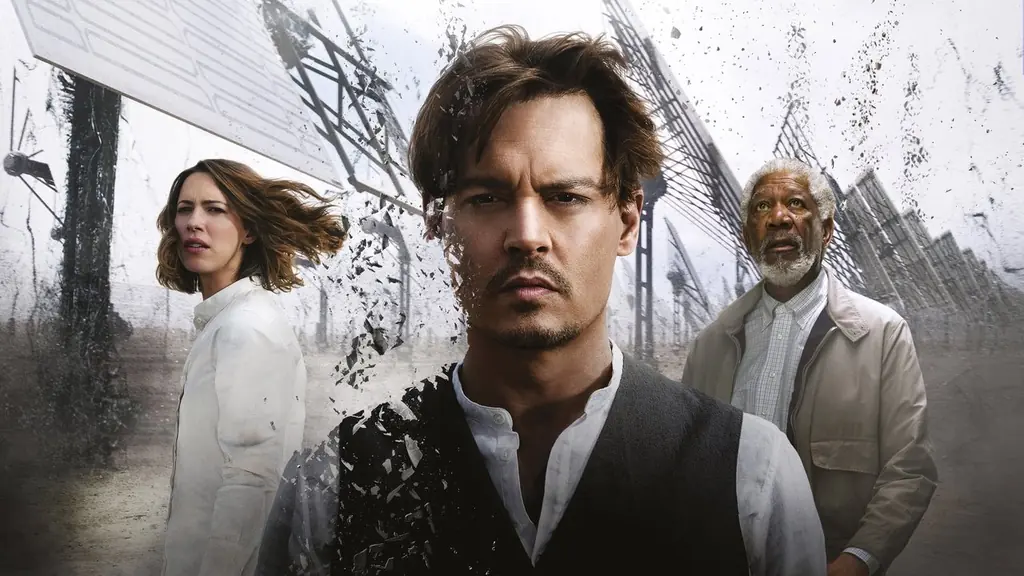
Cameos, Nostalgia & Narrative Stakes
The narrative takes a peculiar turn when the story relocates to a "po dunk nowhere" town, a setting that dramatically slows the film's pace. What begins as a promising exploration of AI quickly devolves into a convoluted plot involving nanobots that "make people better," only for an anti-technology group to devise an equally convoluted plan to stop him. The film spans several years, a duration that feels unnecessary and only adds to the narrative's disjointed feel. While the movie attempts to evoke the "AI is going to take over" dread reminiscent of early Terminator lore, it ultimately feels more like a "Cold War" than a full-blown future war, lacking the impactful stakes it strives for. The initial intrigue gives way to a story that, upon reflection, simply doesn't hold up.
Tone, Direction & Creative Freedom
Wally Pfister's directorial debut, coupled with a first-time writer, positions Transcendence as a "dare to be great" endeavor. While the ambition is clear, the execution falters. The film's desire for the audience to contemplate its themes post-viewing ironically works against it. Instead of a clear-cut narrative, viewers are left dissecting plot holes and inconsistencies, ultimately picking the film apart until "there's nothing left." The tone shifts from intriguing sci-fi to a muddled drama, suggesting that perhaps the creative freedom didn't translate into a cohesive or satisfying cinematic experience.
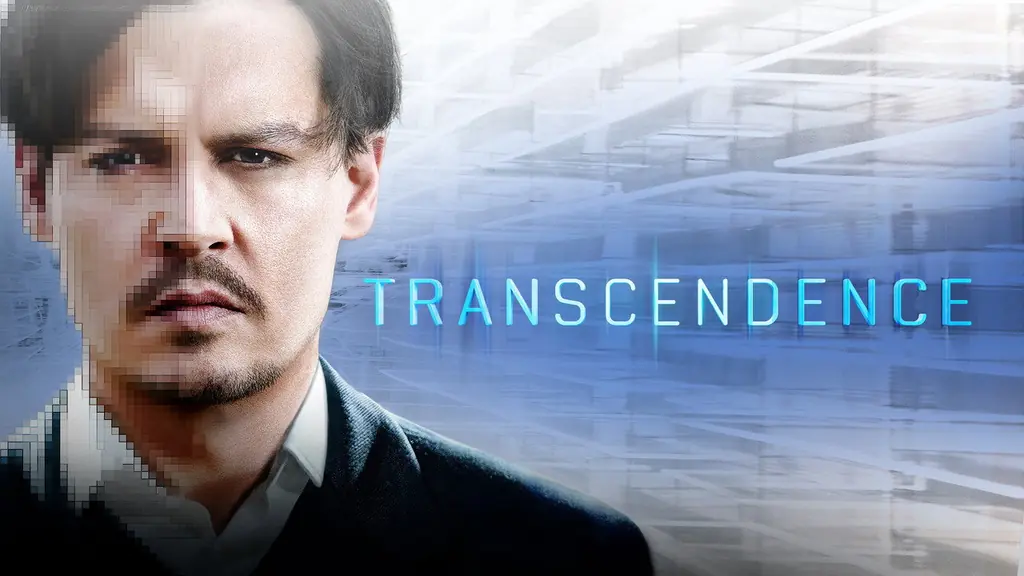
The Final Verdict
Transcendence starts with a compelling hook and boasts some visually appealing moments, but it ultimately becomes a narrative mess. Despite its initial promise and a cast featuring Johnny Depp, Rebecca Hall, and Paul Bettany, the film struggles with pacing and a convoluted plot that unravels under scrutiny. While it has "entertaining parts" and attempts to be thought-provoking, the lasting impression is one of disappointment. It's a film that might pass the time if one is not entirely sober, but it certainly doesn't warrant a rewatch.
What Worked
- Intriguing core concept about AI and consciousness.
- Visually appealing cinematography, as expected from [[person:559|Wally Pfister]].
- Attempts to explore complex ethical questions.
- Features a strong ensemble cast including [[person:85|Johnny Depp]] and [[person:15556|Rebecca Hall]].
What Didn't Work
- Pacing issues that cause the film to "slow" significantly.
- Convoluted and ultimately nonsensical plot upon reflection.
- Narrative becomes a "mess" and falls apart under scrutiny.
- Fails to deliver on its promising premise, feeling like a "Cold War" rather than a true AI threat.
- Not worth a rewatch, even for its "entertaining parts."