
The Walrus and the Podcaster
From the mind of Kevin Smith, Tusk arrives with a premise so outlandish it practically demands attention: a podcast host's bizarre encounter inspired by a Craigslist ad. What begins as a genuinely unsettling setup, promising a solid thriller where power dynamics shift and dread builds, quickly morphs into something far stranger. The initial anticipation for a truly creepy experience is palpable, drawing viewers into a web of discomfort that feels both engaging and terrifying.
Performances and the Unraveling Plot
Justin Long steps into the role of the arrogant podcaster, a character initially portrayed as a "piece of shit human being," making his impending torment almost karmic. His performance, alongside the chillingly effective Michael Parks as the eccentric, walrus-obsessed recluse, anchors the film's early, more grounded horror. Even Genesis Rodriguez delivers a surprisingly potent monologue, adding an ominous tone that hints at deeper psychological terror. The film's first act thrives on this unsettling dynamic, with dialogue that, for a time, feels perfectly in context with the escalating dread. However, as the narrative progresses, the film takes an "extra mile" that veers sharply from its initial promise, trading subtle horror for outright shock.
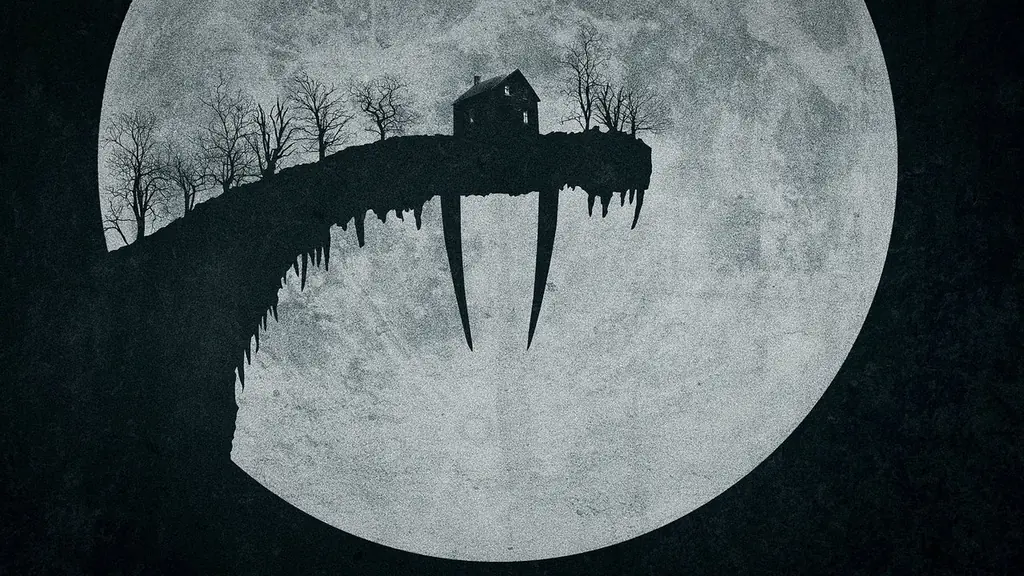
Tonal Whiplash and Missed Opportunities
The film's biggest misstep lies in its jarring tonal shifts. What starts as a suspenseful horror piece, reminiscent of "Misery," quickly introduces elements that clash severely with its established atmosphere. The arrival of an "Inspector Clouseau"-esque detective, played by Johnny Depp, feels like a sudden, unwelcome detour into broad comedy. This character's rambling monologues, while perhaps intended for comedic relief, instead drag the pacing and pull the audience out of the horror. The film's attempt at humor often falls flat, overshadowed by the disturbing imagery it simultaneously presents. It's a struggle to reconcile the genuine creepiness with the forced comedic beats, leaving the audience questioning the film's true intent.
Shock Value Over Substance
Ultimately, Tusk prioritizes shock value above all else. While it undeniably achieves its goal of disturbing the viewer, leaving an indelible, unsettling impression, this comes at the cost of narrative cohesion and artistic integrity. The film "shoots its own foot off" by abandoning its compelling build-up for cheap thrills. As one character ironically states, "shocking isn't funny," a sentiment that could easily be directed at the film itself. The constant pursuit of grotesque imagery and bizarre transformations, while memorable, doesn't elevate the film to a "good" status, much like how a successful marketing campaign doesn't guarantee a quality product. It's a film that sticks with you, but not necessarily for the right reasons.
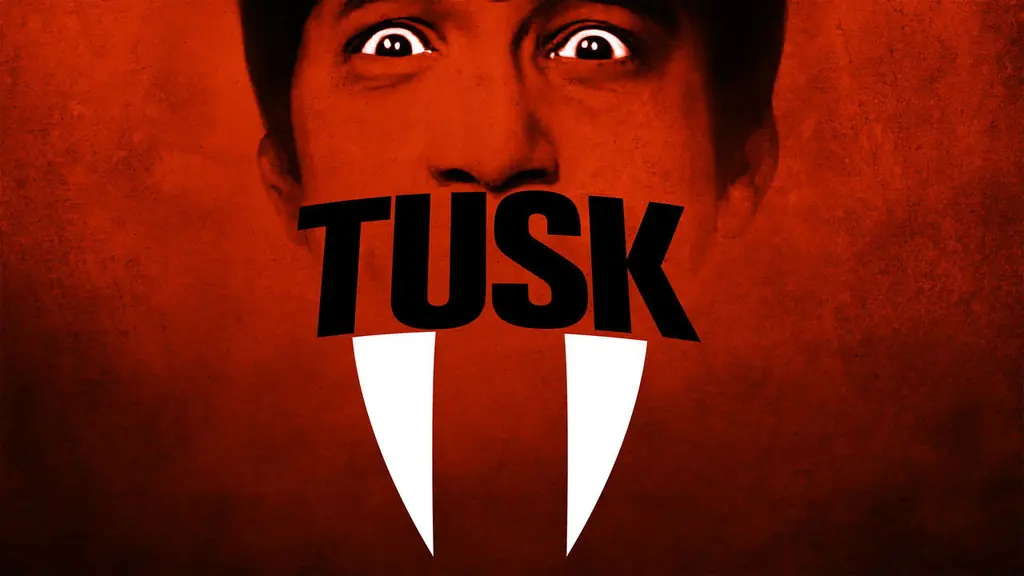
The Final Verdict
Tusk is a bizarre cinematic experiment that starts strong but loses its way in a sea of tonal confusion and gratuitous shock. While the initial setup and performances hint at a genuinely unsettling horror experience, the film's insistence on pushing boundaries ultimately undermines its potential. It's a movie that aims to disturb and succeeds, but struggles to be considered a well-crafted or enjoyable piece of cinema. For those who revel in Grade B, "messed up" horror that prioritizes grotesque imagery over narrative consistency, this might be a cult classic in the making. For everyone else, proceed with extreme caution, or perhaps a few drinks.
What Worked
- Initial creepy and unsettling premise
- Strong performances from [[person:15033|Justin Long]] and [[person:2536|Michael Parks]]
- Effective build-up of dread in the first act
- Memorable and disturbing imagery
- Unique and unconventional concept
What Didn't Work
- Jarring and clashing tonal shifts
- Over-reliance on shock value over substance
- Comedy elements often fall flat and detract from horror
- Pacing issues due to rambling monologues
- Detective character feels out of place and unnecessary



