
Introduction
January horror movies often carry a certain reputation, but Underwater dives headfirst into its premise with an intensity that defies expectations. Set in the crushing depths of the Mariana Trench, where fewer humans have ventured than have walked on the moon, a deep-sea drilling facility suddenly collapses. The small, desperate crew must then traverse the treacherous ocean floor to reach another station, all while an unknown, monstrous threat lurks in the perpetual darkness. What could have been a slow burn quickly ignites, throwing audiences into chaos from the opening moments. This immediate plunge into peril, with the facility exploding around Kristen Stewart's character, signals that this isn't a film content to waste anyone's time.
The Lead Dynamic & The Action
Kristen Stewart anchors the film with a performance that reminds audiences of her capabilities beyond early career roles. She delivers a strong, grounded presence amidst the escalating terror. The decision to keep the crew small enhances the claustrophobic atmosphere, a hallmark of effective horror. Adding a crucial layer of levity is T.J. Miller, who serves as the film's comic relief. His "T.J. Miller-isms" surprisingly don't derail the tone, instead echoing the role of Hudson from Aliens—a character whose humor provides a necessary counterpoint to the dread. The film's pacing is relentless, moving from one tense situation to the next without unnecessary exposition, a welcome approach that keeps the energy high.
Cameos, Nostalgia & Narrative Stakes
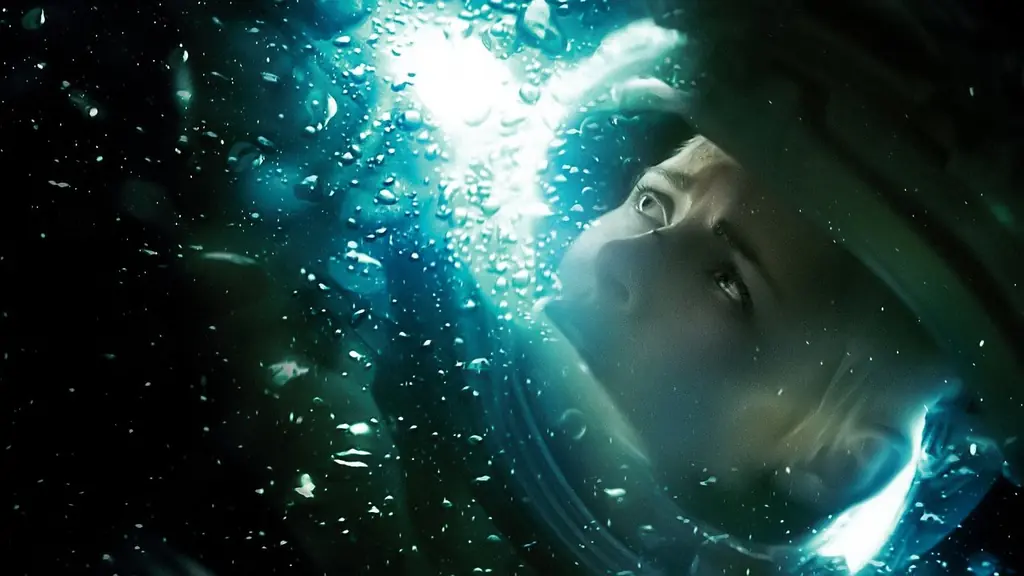
While Underwater doesn't break new ground in terms of its core concept—it's a creature feature in a confined space, a premise as old as the genre itself—it embraces its cliches with a surprising amount of fun. The film evokes a similar tone to Pandorum, another sci-fi horror that delivered unexpected entertainment. Rather than being a detriment, the film's budget constraints appear to have been creatively leveraged by director William Eubank. The monsters are rarely shown in full, instead appearing in quick, blurry glimpses or as fleeting shadows in the murky depths. This "less is more" approach heightens the terror, proving that what isn't seen is often far scarier than what is. The underwater environment itself is a character, perpetually dark, dusty, and half-focused, making every movement a struggle and every potential threat ambiguous.
Tone, Direction & Creative Freedom
The film masterfully crafts a consistently dark and wet aesthetic. Water constantly drips, power flickers, and flashlights cut through the gloom, immersing the audience in the characters' desperate situation. The visual murkiness, likely a blend of practical effects and CGI, works to the film's advantage, making the environment feel genuinely alien and hostile. Underwater employs jump scares, but they feel distinct in a sci-fi creature context compared to supernatural horror. The threat is tangible, a living thing that logically would jump out, making these moments feel earned rather than cheap. This commitment to a visceral, intense experience ensures that audiences are constantly on edge, genuinely questioning who will survive the harrowing journey.
The Final Verdict
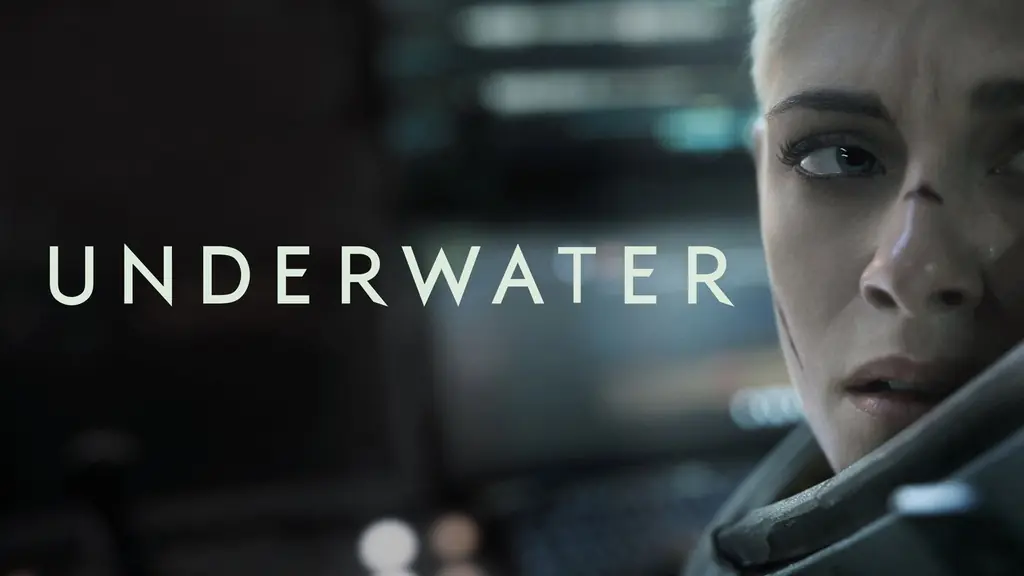
Underwater might feel like a relic from a bygone era of creature features, but it delivers a surprisingly entertaining and intense ride. Despite its familiar premise, the film's relentless pacing, effective atmosphere, and solid performances from Kristen Stewart and T.J. Miller make it a worthwhile watch. It's a testament to how a well-executed genre film can still thrill, even when treading familiar waters. For those who appreciate claustrophobic monster horror and don't mind a few genre tropes, this deep-sea dive is a fun, albeit predictable, escape.
What Worked
- Relentless, fast-paced action from the start
- Effective claustrophobic atmosphere
- Strong lead performance from Kristen Stewart
- T.J. Miller provides well-placed comic relief
- Clever use of darkness and limited monster reveals to enhance fear
What Didn't Work
- Premise feels largely unoriginal and clichéd
- Some abrupt editing choices that skip transitional moments
- Not as impactful or innovative as similar genre films



