Introduction
The early 2010s were awash in teen vampire fiction, and into this crowded arena stepped Vampire Academy. The buzz around its trailer promised something a little different: snappy, witty dialogue that hinted at a more fun, less conventional take on the genre. There was a flicker of hope that this adaptation might break the mold, offering a fresh bite in a landscape saturated with the same old tropes. Yet, for all its initial promise, the film ultimately struggled to deliver on that potential, leaving audiences with a distinct feeling of disinterest.
The Lead Dynamic & The Action
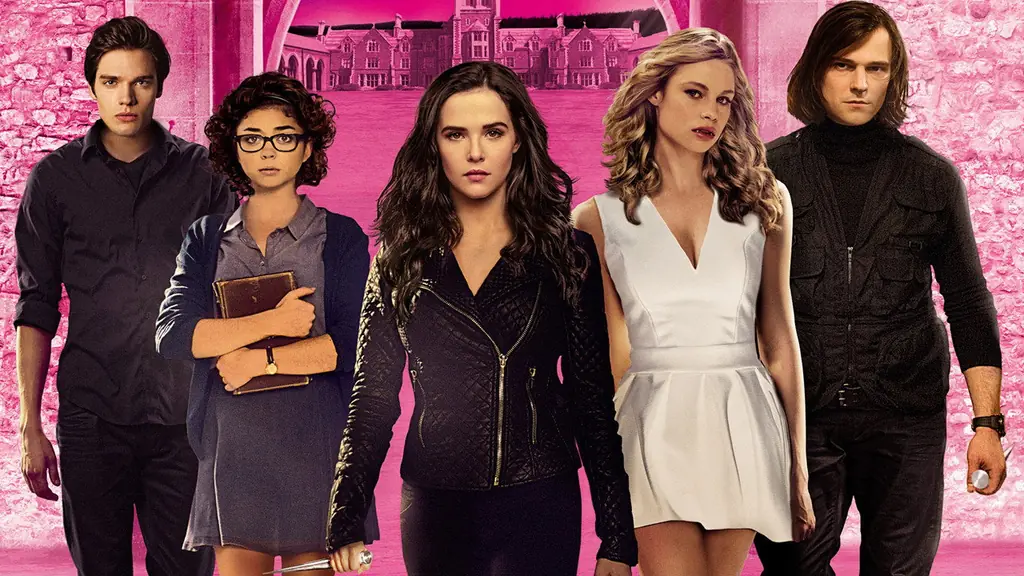
At its core, Vampire Academy centers on two attractive leads: a royal vampire destined for queenhood and her human guardian. Their journey takes them through the titular academy, where they ostensibly face "dark forces." However, the film's idea of high-stakes conflict often boils down to something as mundane as gossip. While the movie attempts to inject energy with its rapid-fire conversations, this stylistic choice doesn't translate into genuine engagement. The dynamic between the characters, despite the efforts, fails to captivate, leaving viewers detached from their plight and the supposed dangers they face.
Cameos, Nostalgia & Narrative Stakes
One of the most critical failings of Vampire Academy is its inability to establish compelling narrative stakes or make its lore matter. Vampire stories thrive on their unique rules and mythologies, but here, the intricate world-building feels like background noise. The film introduces its concepts, but the audience is left with a profound sense of apathy. There's no emotional investment in the characters, no urgency in their struggles, and no real concern for who is breaking the rules or who needs saving. It plays out like a mystery where the solution is irrelevant, and the journey is equally uninteresting. The film features Zoey Deutch and Lucy Fry in the lead roles, with supporting performances from Danila Kozlovsky, Gabriel Byrne, and Olga Kurylenko, among others.
Tone, Direction & Creative Freedom
Under the direction of Mark Waters, Vampire Academy clearly aimed for a distinct tone. The filmmakers tried to differentiate it by incorporating more "real" dialogue, including cursing, and a fast-paced conversational style, hoping to resonate with a modern audience. In some respects, it does manage to surpass many other young adult book-to-movie adaptations in its attempt to be edgy and fresh. However, these efforts, while commendable, ultimately fall short. The snappy dialogue, rather than enhancing the experience, merely highlights the underlying lack of substance, making one want to like it more than is actually possible.
The Final Verdict
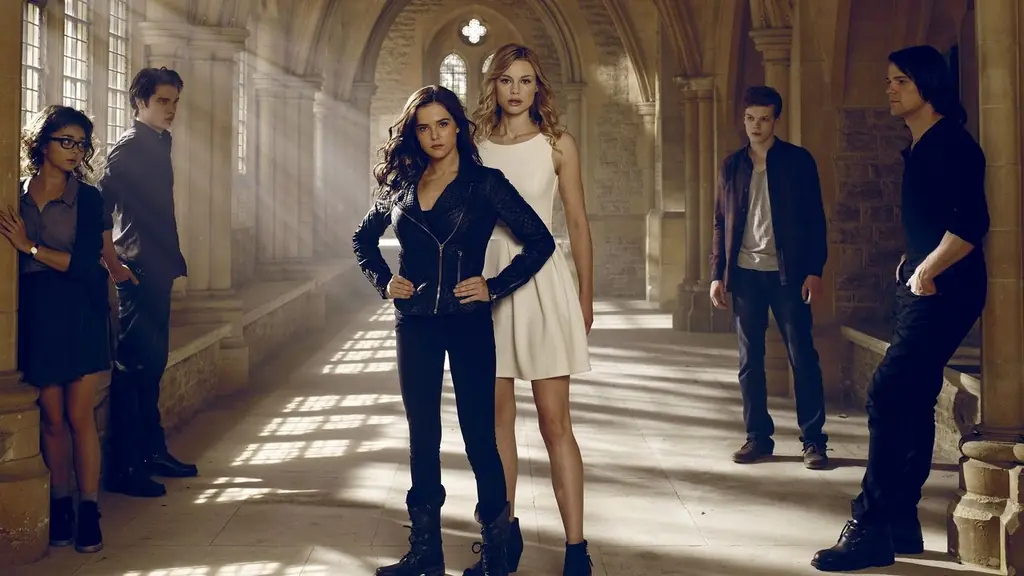
Vampire Academy is, at best, a valiant attempt that never quite lands. It tries to be different, to be witty, and to inject some much-needed life into a tired genre. Yet, its fundamental flaw lies in its inability to make anyone care—about its characters, its lore, or its stakes. The film is largely uninteresting and utterly forgettable, leaving no lasting impression. While it might have done a "better job" than some of its peers, "better" doesn't equate to "good enough." This is a movie that will likely vanish from memory almost as soon as the credits roll.
What Worked
- Attempted snappy, witty dialogue.
- Tried to differentiate itself from other YA adaptations.
- Features attractive lead performances.
- Aimed for a more "real" and edgy tone.
What Didn't Work
- Characters are largely uninteresting and unengaging.
- Fails to establish compelling lore or stakes.
- Audience struggles to care about the plot or characters.
- Ultimately forgettable and leaves no lasting impression.