Introduction
From the opening frame, Whiplash grabs hold and rarely lets go. This isn't just a film about music; it's a visceral, psychological battle that leaves audiences breathless. Anticipation for this intense drama was high, promising a deep dive into the cutthroat world of a young drummer's ambition and his tyrannical mentor.
The Lead Dynamic & The Action
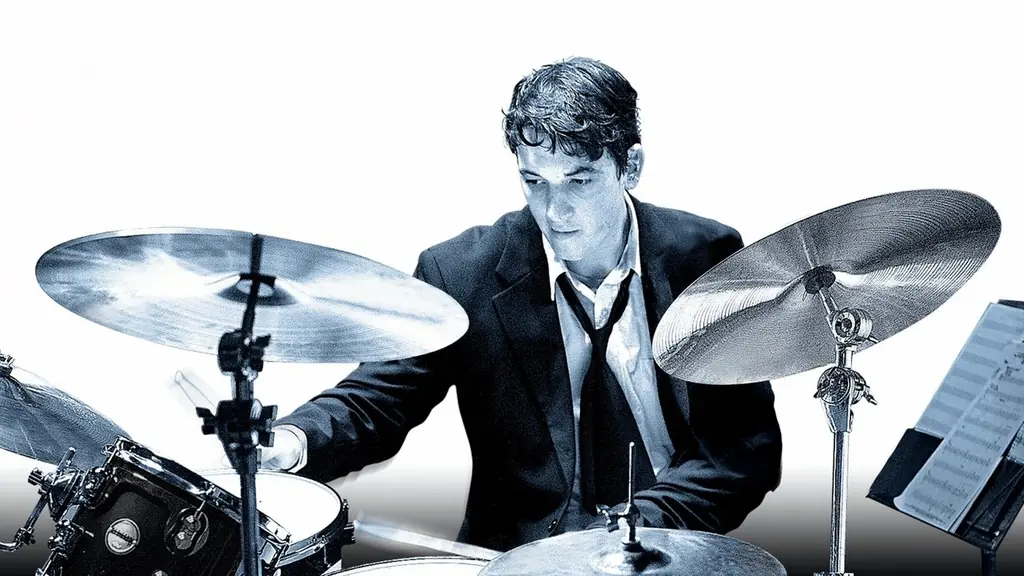
At its core, the film thrives on the electrifying, yet terrifying, dynamic between aspiring drummer Andrew Neiman (played by Miles Teller) and his monstrous jazz instructor, Terence Fletcher (a career-defining turn by J.K. Simmons). Fletcher isn't just a tough teacher; he's a psychological tormentor, tearing down his students with a barrage of verbal abuse and mental games. The reviewer notes that Simmons' performance is reminiscent of R. Lee Ermey in Full Metal Jacket, delivering lines with such precision and intensity that it's hard to tell what was scripted and what was ad-libbed. This isn't merely about physical action; it's a war of attrition waged in a practice room, where every drum beat and every cutting remark ratchets up the tension to unbearable levels.

Cameos, Nostalgia & Narrative Stakes
The narrative stakes in Whiplash are intensely personal, making the film's relatively simple premise incredibly compelling. It's the story of a young man desperate to achieve greatness, willing to endure hell to get there. The film avoids unnecessary subplots or distracting cameos, focusing instead on the raw, unyielding conflict between student and teacher. This laser focus ensures that every moment contributes to the escalating tension, drawing viewers into Andrew's struggle. Many will find themselves reflecting on their own experiences, recognizing a "boss like that" or a "teacher like that," making the film's psychological grip even stronger.
Tone, Direction & Creative Freedom
Under the masterful direction of Damien Chazelle, the film maintains an almost unbearable level of intensity. The reviewer highlights how the tension builds like a guitar string, not through grand explosions or hostage negotiations, but through the deeply personal struggle unfolding on screen. This is a film that makes you bite your nails harder than any action thriller, proving that psychological warfare can be far more gripping than any physical confrontation. The raw, unfiltered performances from Teller and Simmons suggest a creative environment where the filmmakers were given the freedom to push boundaries, resulting in a truly unforgettable cinematic experience.
The Final Verdict
Whiplash is an "awesome-tacular" achievement that sinks its hooks into you and refuses to let go. It's a relentless, immersive experience driven by two powerhouse performances and a narrative that explores the brutal cost of ambition. While not a fast-paced action flick, its psychological depth and intense character study make it a film that only gets better with reflection. Prepare for an emotional workout; this one will stay with you long after the credits roll.
What Worked
- J.K. Simmons' "single favorite performance of 2014"
- Miles Teller's compelling portrayal of ambition
- Unbearable, personal tension and intensity
- Deep psychological warfare and character study
- Relatable themes of ambition and difficult mentors
What Didn't Work
- The extreme intensity and verbal abuse might be overwhelming for some viewers, potentially causing anxiety.