Introduction
The idea of rebooting a classic 80s TV show like "21 Jump Street" might have raised some eyebrows, but this film quickly disarms any skepticism with a wink and a nod. Instead of a serious drama, 21 Jump Street embraces its inherently comedic premise: two adult cops going undercover in high school. The film cleverly acknowledges its own existence as a rehashed concept, with a captain quipping about studio executives running out of new ideas. This self-aware humor sets the stage for a movie that invites audiences to laugh along with its absurdity, rather than at it.
The Lead Dynamic & The Action
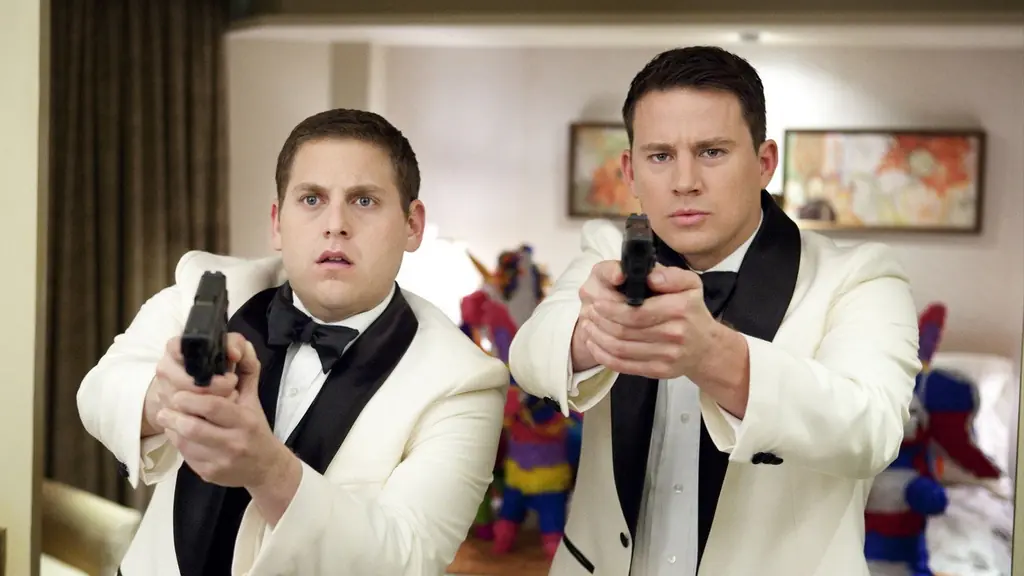
The undeniable chemistry between Jonah Hill and Channing Tatum is the engine that drives this comedic powerhouse. Initially, the thought of these two as friends seemed unlikely, but their contrasting personalities prove to be a perfect comedic foil. Tatum, the former high school jock, and Hill, the nerdy outcast, find their social standings hilariously reversed in the modern high school landscape. The film mines gold from this dynamic, showcasing how the "cool" kids of yesterday are now the "uncool" ones, while the once-marginalized nerds are thriving. Even the action sequences are infused with humor, like a running gag about flammable objects that just refuse to explode, subverting typical action movie tropes with a laugh.

Cameos, Nostalgia & Narrative Stakes
While based on the original series, 21 Jump Street boldly carves its own path. It's not a faithful adaptation for hardcore fans of the original, and that's precisely its strength. The film uses the premise as a springboard for a fresh, comedic take, rather than being bogged down by nostalgia. It's a buddy-cop comedy first and foremost, and it succeeds by focusing on its strengths: the humor and the lead performances. The narrative stakes, while present, are always secondary to the comedic opportunities presented by the undercover assignment, allowing the film to lean fully into its genre.
Tone, Direction & Creative Freedom
Under the direction of Phil Lord, the film maintains a consistently playful and irreverent tone. It's clear the filmmakers were given the freedom to go wild, resulting in a movie that isn't afraid to poke fun at itself, its genre, and even its own origins. The pacing is brisk, moving from one hilarious scenario to the next without ever feeling forced. This creative freedom allows 21 Jump Street to stand out as a genuinely funny and surprising entry in the buddy-cop canon, proving that a reboot can indeed find its own unique voice.
The Final Verdict
For anyone looking for a genuinely funny and surprisingly smart buddy-cop comedy, 21 Jump Street delivers in spades. It's a good time, no alcohol required, that manages to be both a parody and a strong example of its genre. Forget your jaded experiences with other cop comedies; this one is a refreshing blast that will leave you laughing.
What Worked
- Exceptional comedic chemistry between Jonah Hill and Channing Tatum.
- Clever, self-aware humor that pokes fun at reboots and genre tropes.
- Hilarious reversal of high school social dynamics.
- Embraces its comedic premise fully, rather than trying to be a serious drama.
- A genuinely surprising and entertaining buddy-cop experience.
What Didn't Work
- Hardcore fans of the original TV show may be disappointed by its departure from the source material.
- Focus on comedy means narrative stakes sometimes take a backseat.