Introduction
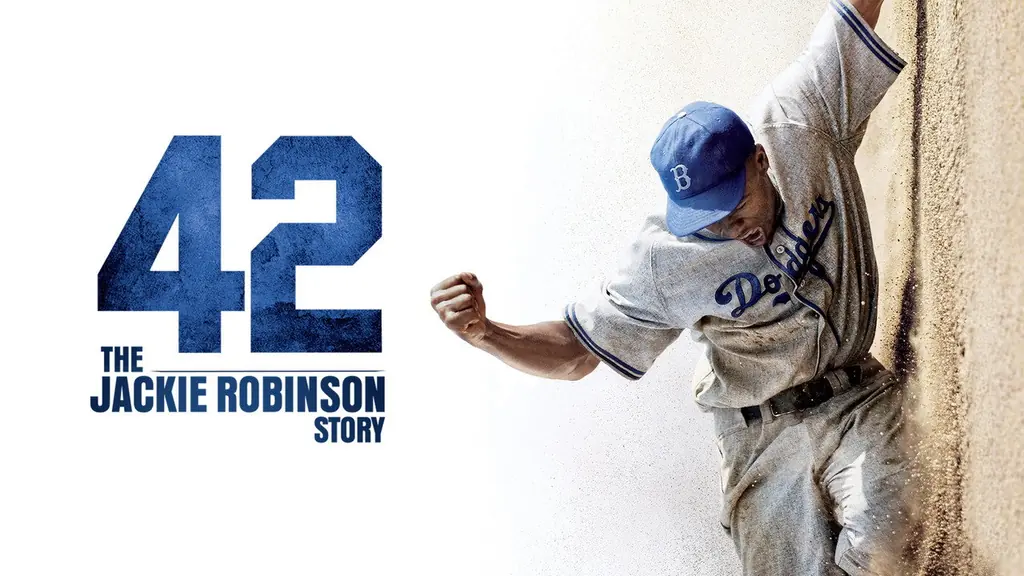
The story of 42 arrives with the weight of history, chronicling the monumental journey of Jackie Robinson, the man who didn't just play baseball, he changed it forever. Audiences walked in knowing the legend, eager to see how this pivotal moment in American sports and civil rights would translate to the big screen. The film promises a deep dive into the friction and triumphs of integration, and largely delivers on that promise with a compelling narrative.
The Lead Dynamic & The Action
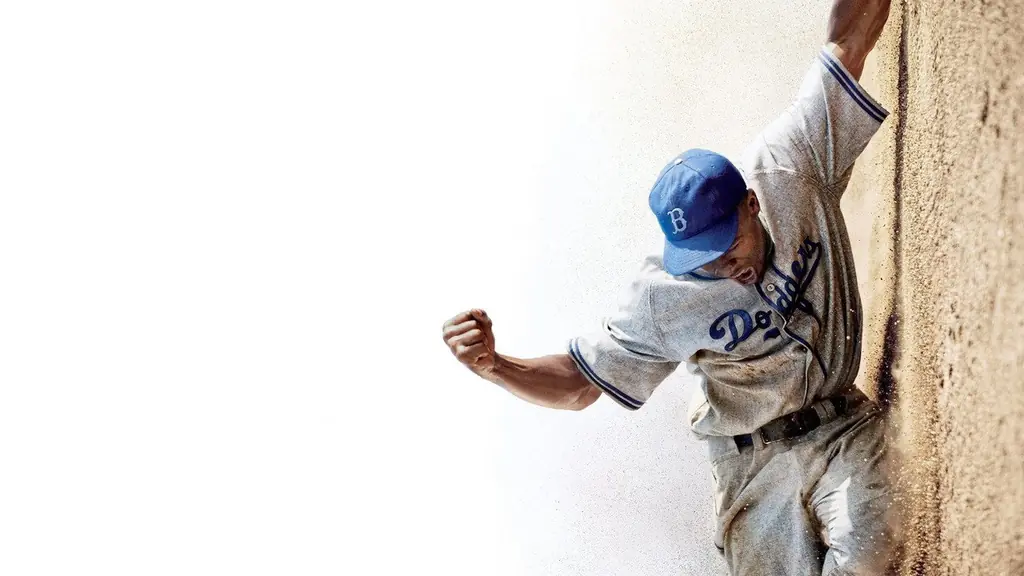
At the heart of 42 is the electrifying performance by Chadwick Boseman as Jackie Robinson. Boseman captures the essence of a man forced to endure unimaginable prejudice while maintaining an almost superhuman composure. He embodies Robinson's quiet strength, his innate goodness, and the simmering attitude that had to be channeled into victory on the field. The dynamic between Robinson and Branch Rickey, portrayed with surprising depth by Harrison Ford, is the film's backbone. Ford, in a role that sparked Oscar buzz, plays Rickey as the shrewd, determined visionary who understood that the battle wasn't just on the diamond, but in the hearts and minds of a nation. Rickey's directive to Robinson—"channel that, beat them on the field"—becomes the film's powerful mantra, showcasing a different kind of fight where the playing field becomes the ultimate battleground. The supporting cast shines, with Christopher Meloni delivering an "awesome" performance, particularly in a locker room speech that resonates with conviction.
Cameos, Nostalgia & Narrative Stakes
The narrative of 42 effectively builds tension around the racial prejudice Robinson faced. While the film navigates the inevitable conflicts, it occasionally pulls its punches, opting for a more PG-13 approach to language even in moments of intense bigotry. This choice, while aiming for broader family appeal, sometimes lessens the raw impact of the confrontations. However, the film doesn't shy away from showcasing the ugliness of the era, particularly through characters like the one played by Alan Tudyk, who delivers a "Django Unchained kind of vernacular" in a scene that highlights the sheer vitriol Robinson endured. The pacing keeps the drama engaging, though some viewers might wish for more actual baseball action. The film emphasizes the emotional and social struggle, sometimes at the expense of the sport itself, leading to a desire for more time spent on the diamond.
Tone, Direction & Creative Freedom
Brian Helgeland’s direction maintains a tone that is both dramatic and inspiring. The film handles its heavy themes of racial segregation and prejudice with a respectful yet impactful touch. While the decision to keep the language relatively mild might be a creative choice for accessibility, it occasionally feels like a missed opportunity to fully convey the visceral anger and frustration of the period. Despite this, the film excels at building palpable tension in several scenes, drawing the audience into Robinson's isolated struggle. The story is compelling enough to make you want to immediately learn more about Jackie Robinson's life, which is a testament to its narrative power. It’s a good movie for families, offering a powerful history lesson without requiring "alcohol" to enjoy.
The Final Verdict
42 is a genuinely good time at the movies, delivering an inspiring true story with heart and conviction. While it could have benefited from a bit more grit in its language and more time dedicated to the actual baseball games, these are minor gripes in an otherwise powerful and engaging film. Chadwick Boseman and Harrison Ford anchor a strong ensemble, making this a compelling watch that celebrates a true American hero. It’s a film that reminds us of the power of perseverance and the enduring legacy of those who dare to challenge the status quo.
What Worked
- [[person:172069|Chadwick Boseman]]'s compelling portrayal of Jackie Robinson.
- [[person:3|Harrison Ford]]'s surprisingly strong, Oscar-worthy performance.
- A powerful and inspiring true story.
- Excellent supporting cast, including [[person:22227|Christopher Meloni]] and [[person:21088|Alan Tudyk]].
- Effectively handles drama and racial conflict.
What Didn't Work
- Occasionally shies away from realistic, harsh language in tense moments.
- Could have benefited from more actual baseball game sequences.
- The ending felt a bit abrupt without a full game.