Introduction
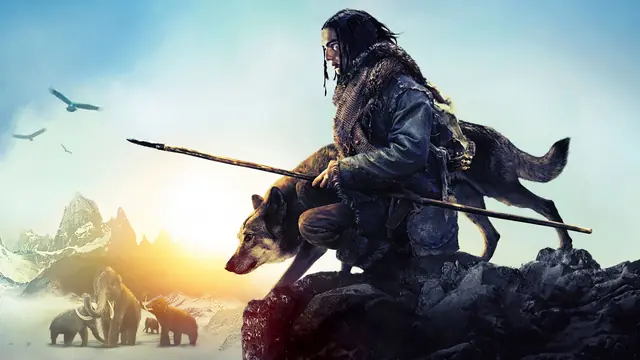
The promise of Alpha arrived with a compelling hook: "The Revenant with a wolf." Set 20,000 years ago, this prehistoric survival tale aims to depict the very genesis of the human-canine bond, a story of domestication born from necessity and shared struggle. Audiences were primed for an epic, brutal, yet ultimately heartwarming journey through an untamed world.
The Lead Dynamic & The Action
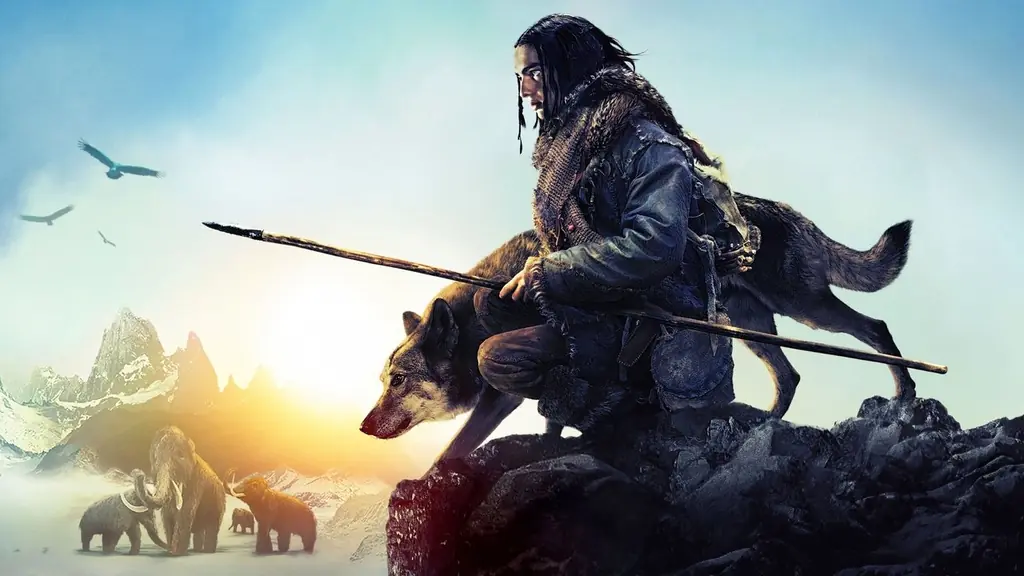
From the outset, Albert Hughes's direction shines through in the film's visual grandeur. The cinematography captures landscapes that feel lush, alive, and profoundly untouched, effectively transporting viewers to a primordial Earth. While some green screen moments are noticeable, the overall impression of a vast, uninhabited world is genuinely impressive. The core of the film hinges on the evolving relationship between Keda (Kodi Smit-McPhee), a young hunter separated from his tribe, and a wounded wolf he names Alpha. This connection is undeniably sweet, forming the emotional anchor of the narrative. However, the film's portrayal of domestication, where a wild wolf seemingly transforms into a loyal companion over a relatively short period, feels jarringly fast, skipping over what would have been generations of evolution. The action, or rather the journey, often devolves into a repetitive cycle of "walking, sitting, interacting with the wolf," making the engagement fleeting despite the visual splendor.
Cameos, Nostalgia & Narrative Stakes
While the premise offers rich dramatic potential, Alpha struggles with its narrative pacing and stakes. The reviewer notes that the film often feels like an "escort mission," a less engaging version of a survival epic. Dramatic events unfold, but their impact rarely marinates, quickly giving way to the next plot point. The final act, in particular, feels "chopped up," as if significant portions were edited out, leaving a sense of incompleteness and a lack of true emotional resonance. This episodic structure prevents the story from building sustained tension or allowing the audience to deeply invest in the characters' plight beyond the immediate, visually appealing moments.
Tone, Direction & Creative Freedom
Albert Hughes crafts a film that is visually ambitious, creating a convincing prehistoric setting. The tone leans heavily into a "Hallmark movie" sensibility, prioritizing a sweet, family-friendly narrative over the raw, brutal realities of ancient survival. While this makes it "safe for families," the decision to have characters speak in a fictional, subtitled language might deter younger viewers who aren't keen on reading an entire movie. This creative choice, while historically accurate in its intent, inadvertently creates a barrier for the very audience it aims to entertain. Ultimately, the film feels like a made-for-TV movie that somehow secured a theatrical budget, delivering a pleasant but ultimately forgettable experience.
The Final Verdict
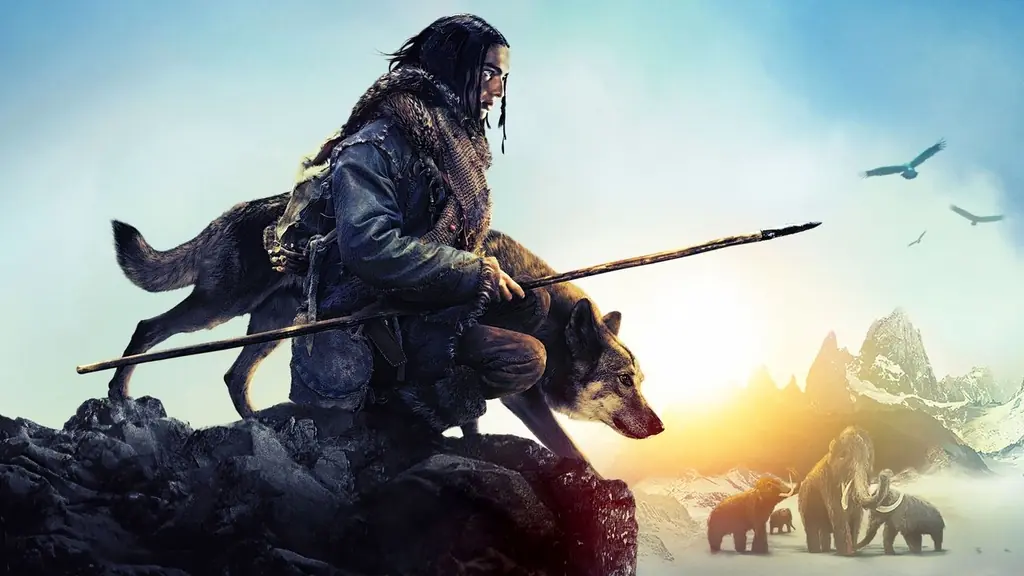
Alpha is a visually striking journey into the distant past, offering a heartwarming, if somewhat simplistic, depiction of the bond between humans and wolves. Its stunning cinematography and the earnest connection between its two leads are its undeniable strengths. However, a repetitive middle, a rushed final act, and a tendency to gloss over the complexities of its premise prevent it from achieving true dramatic depth. It's a sweet, cute film that will likely be enjoyed by those seeking a gentle, family-oriented adventure, but it's unlikely to leave a lasting impression.
What Worked
- Stunning cinematography and lush, untouched landscapes.
- Heartwarming human-wolf bond.
- Effective world-building for a prehistoric setting.
- Safe viewing for families (with a caveat).
What Didn't Work
- Pacing issues, especially in the repetitive middle and rushed final act.
- Simplistic portrayal of wolf domestication.
- Lacks dramatic depth and lasting impact.
- Subtitles may deter younger viewers.



