Introduction
After the critical success of Ex Machina, director Alex Garland returned with Annihilation, a film that immediately sparked conversation and anticipation. Audiences were eager to see what mind-bending, thought-provoking science fiction Garland would deliver next. The premise promised a journey into an enigmatic, shimmering zone, a place where the laws of nature bend and break, and a team of scientists, including Natalie Portman's character, must venture forth to uncover its secrets.
The Lead Dynamic & The Action
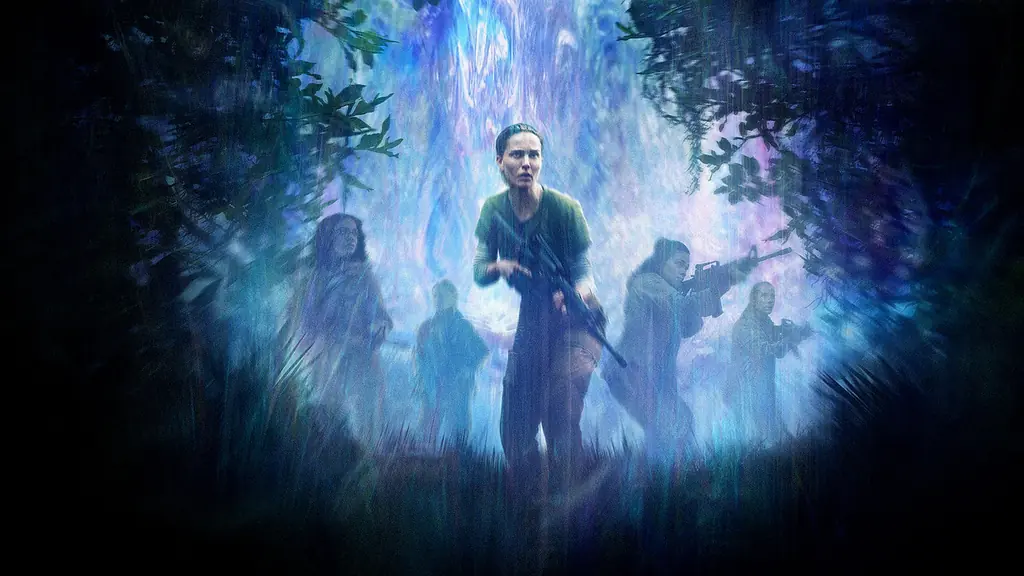
From the outset, Annihilation establishes itself as a visual feast. The "Shimmer" zone is a truly unique and beautiful creation, a hybrid of heaven and hell that is both horrific and captivating to behold. The film's aesthetic is its undeniable strength, presenting a world unlike anything seen before. Every frame is meticulously crafted, drawing viewers into its strange, evolving ecosystem. However, while the concept and visuals are striking, the film struggles to forge a strong connection with its characters. The expedition team, despite featuring talents like Jennifer Jason Leigh, Gina Rodriguez, and Tessa Thompson, remains largely at arm's length, leaving the audience more attached to the unfolding mystery of the zone itself than to the fates of those exploring it.

Cameos, Nostalgia & Narrative Stakes
Annihilation is undeniably bold, swinging for the fences with its high-concept ideas. It delves into profound questions about biology, psychology, consciousness, and the very nature of life and self-destruction. On paper, the ambition is commendable. However, the film's attempt to be a "modern art thinking piece" often leaves its cohesive narrative behind. What begins as an intriguing mystery gradually unravels into a series of "loose threads" that feel less like open interpretations and more like genuine plot holes. The narrative stakes, while intellectually stimulating, often feel detached from a compelling, character-driven story, leaving a sense of indulgence rather than satisfaction.
Tone, Direction & Creative Freedom
Alex Garland's direction is visually assured, creating an atmosphere that is both eerie and beautiful. Yet, the film's deliberate pacing often crosses the line into being a drag. It's a slow burn that, for many, fails to deliver the explosive payoff it seems to promise. While a slow build can be effective, here it contributes to a feeling of the film being overly indulgent. The ending, in particular, stretches out a sequence to a point where its impact diminishes, leaving viewers feeling that the film didn't quite "stick the landing" it aimed for. While encouraging high-art cinema is vital, a film in this category must succeed in its execution, and Annihilation often falls short, feeling more like an attempt than a triumph.
The Final Verdict
Annihilation is a film that will undoubtedly divide audiences. Its stunning visuals and ambitious exploration of complex themes are genuinely captivating. However, its slow, often dragging pace and a narrative that feels more indulgent than cohesive prevent it from reaching its full potential. While it asks profound questions and looks incredible doing so, the lack of emotional connection to its characters and an ending that doesn't quite coalesce leave it feeling like a beautiful, yet ultimately frustrating, experience. It's a film for those who appreciate a cerebral challenge, even if the puzzle pieces don't always fit perfectly.
What Worked
- Stunning, otherworldly visuals create a unique aesthetic
- Bold and ambitious in its exploration of profound concepts
- Asks thought-provoking questions about life, consciousness, and self-destruction
- Unique and enigmatic premise that sparks discussion
What Didn't Work
- Pacing is often slow and can feel like a drag
- Narrative contains "loose threads" that feel like plot holes
- Characters lack emotional depth, making them hard to connect with
- The ending doesn't fully deliver on the film's ambitious setup
- Can feel indulgent in its artistic aspirations