Introduction
Before diving into the King of Rock and Roll, it's hard not to think of Uncle Jesse and his enduring love for Elvis. But this isn't just another biopic; it's a vibrant, energetic deep dive into the legend, and a cautionary tale that resonates far beyond the 1950s. The anticipation for Baz Luhrmann's take on such an iconic figure was immense, and the film delivers a jolt of pure rock and roll energy from its opening frames.
The Lead Dynamic & The Action
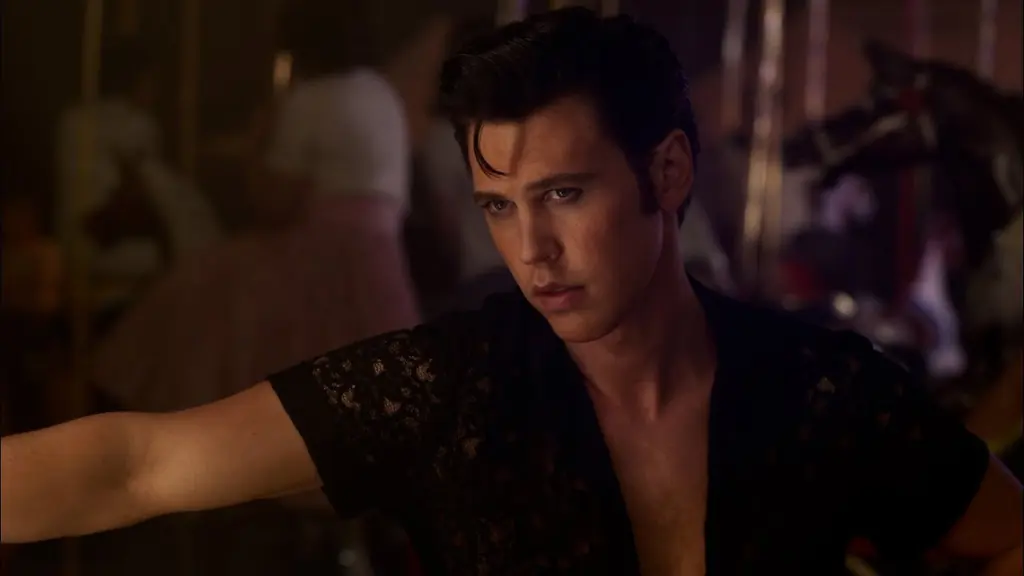
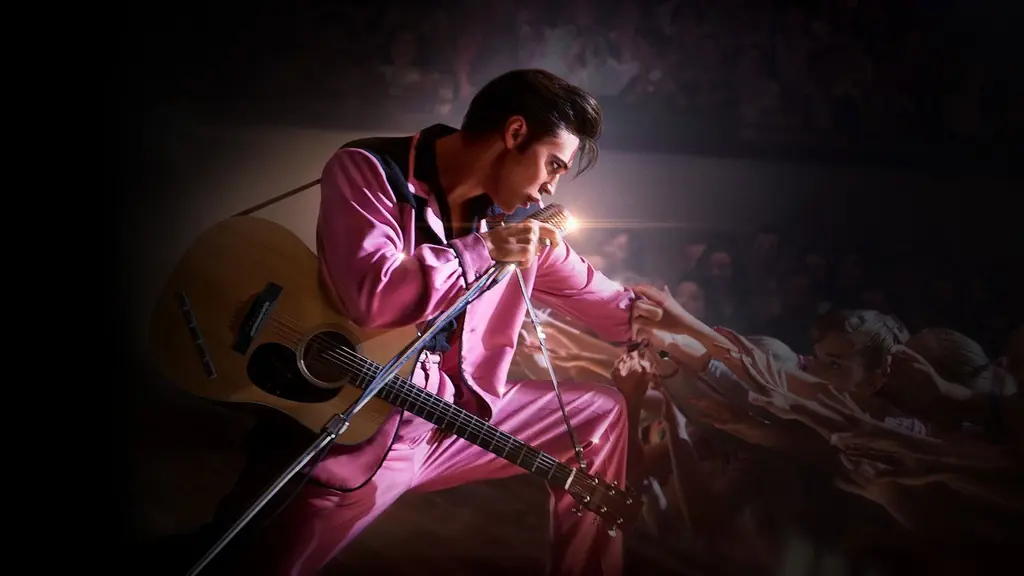
Luhrmann's films can be a mixed bag, but with Elvis, his signature style and flair absolutely click. The director masterfully conveys the sheer, electrifying energy of Elvis Presley's early performances. It’s one thing to know Elvis was a big deal; it’s another to feel the visceral impact he had on audiences, and Luhrmann takes viewers to school on that front. When Austin Butler steps into the spotlight, belting out tunes and moving with that iconic swagger, the screen practically vibrates. Butler’s portrayal is nothing short of transformative; he doesn't just impersonate Elvis, he becomes him. His voice, his mannerisms – it’s so convincing that by the credits, seeing actual footage of Elvis feels almost jarring. This is a performance that should launch Butler into superstardom, making audiences forget what the real Elvis even looked like.
Cameos, Nostalgia & Narrative Stakes
The film smartly avoids being a mere fan-service tribute by framing the narrative through the eyes of Colonel Tom Parker, portrayed by Tom Hanks. This unique perspective immediately sets the stage for a cautionary tale, illustrating how easily talent can be exploited. Parker sees himself as the hero of Elvis's story, a delusion that drives much of the film's underlying tension. While the film excels at showing the human being behind the legend – a guy who just wanted to sing, often feeling less famous than his public persona – it does fall into a common biopic trap: the passage of time. Years can fly by without proper illustration, making it occasionally difficult to gauge the chronological progression. However, this minor stumble doesn't derail the film's core message. It’s a remarkably relevant story for today’s information age, highlighting how easily "snakes" can find and exploit talented individuals, a dynamic that has existed since the dawn of entertainment.
Tone, Direction & Creative Freedom
Luhrmann's direction is the engine that propels this film forward. The energy is relentless, the visuals are vibrant, and the pacing, despite the film's considerable two-hour-and-forty-minute runtime, remains remarkably engaging. This isn't a movie made exclusively for die-hard Elvis fans; it’s crafted to resonate with anyone interested in a compelling human story and the darker side of fame. The film successfully makes the legend accessible, revealing the complexities and vulnerabilities of a man who, despite his immense fame, often seemed to be drowning in a sea of sorrow and loneliness. It’s a testament to Luhrmann’s vision that the studio clearly gave him the freedom to execute his distinctive, high-octane approach.
The Final Verdict
Elvis is a captivating, energetic ride that transcends the typical biopic formula. It's a film that demands to be seen, not just for its dazzling spectacle, but for its profound exploration of a cultural icon and the predatory forces that shaped his destiny. This is a movie that sticks with you, prompting reflection on fame, talent, and the price of superstardom. Absolutely worth watching, and a definite contender for a Blu-ray collection.
What Worked
- Austin Butler's transformative, uncanny performance.
- Baz Luhrmann's signature energetic and stylish direction.
- Unique narrative perspective through Colonel Tom Parker.
- Reveals the human being behind the legendary persona.
- Relevant cautionary tale about fame and exploitation.
What Didn't Work
- Passage of time can feel rushed and unclear.
- Adheres to some common biopic dramatization tropes.