Introduction
The Fast & Furious franchise has always been about pushing boundaries, escalating stakes, and delivering bigger, bolder action with each installment. With F9, the series attempts to outdo itself once more, launching into a realm where the laws of physics are not just bent, but utterly obliterated. This latest entry promises an adrenaline-fueled spectacle, but the question remains: can a film continuously escalate without losing its grip on what makes it thrilling?
The Lead Dynamic & The Action
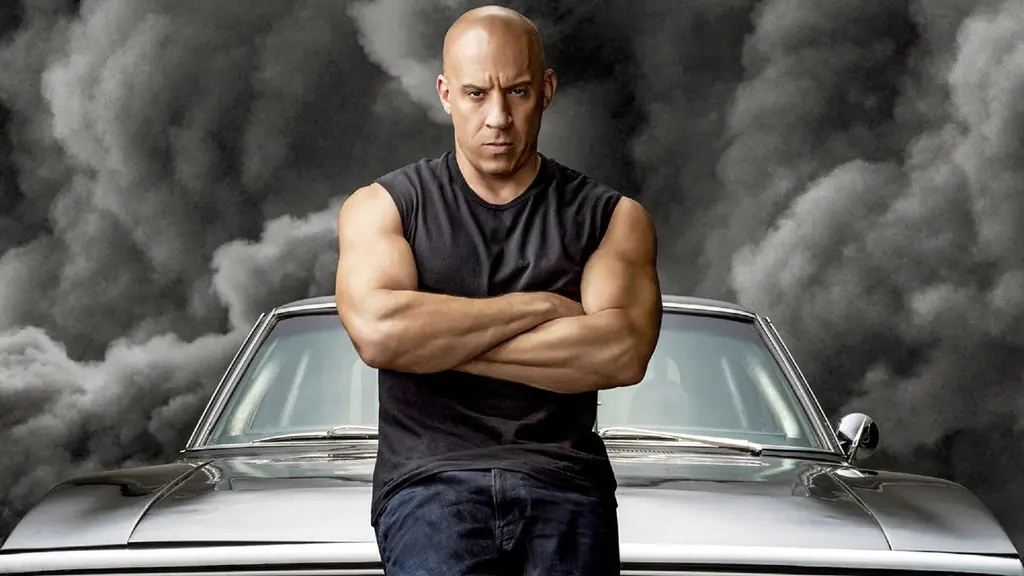
From the opening frame, F9 throws an astonishing amount of chaos onto the screen. Cars fly, explosions erupt, and gravity seems to be an optional suggestion rather than a fundamental law. The sheer volume of "things happening" is undeniable, yet this relentless barrage often leads to a peculiar state of indifference. The action, while visually busy, struggles to generate genuine tension. When characters like Vin Diesel as Dom Toretto and his crew are seemingly invincible, surviving impossible crashes and explosions without a scratch, the stakes evaporate. The audience knows they'll always make it out, turning what should be nail-biting sequences into mere spectacles to observe.
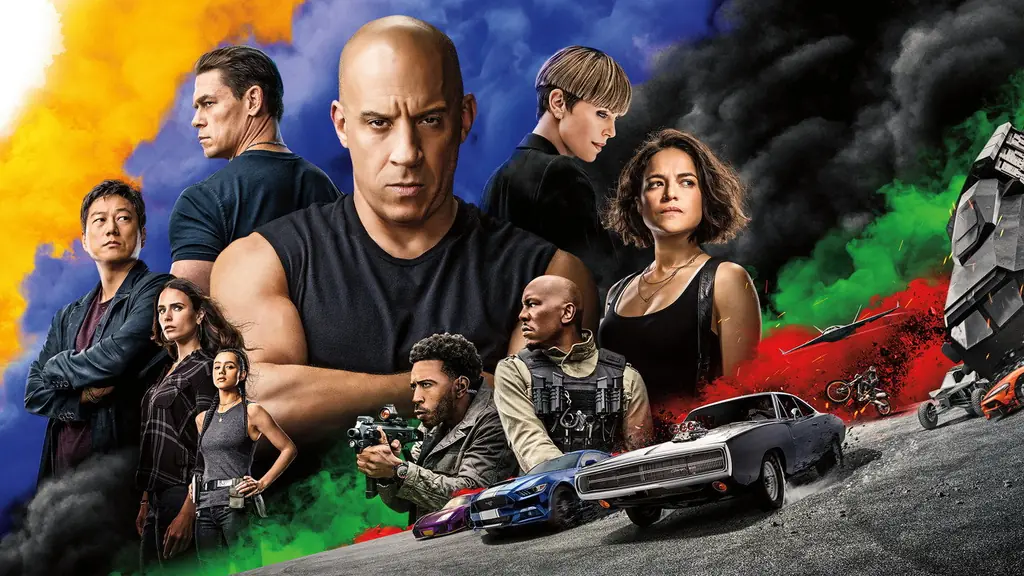
However, a significant bright spot shines through the mayhem: the comedic pairing of Tyrese Gibson as Roman Pearce and Ludacris as Tej Parker. Their banter, chemistry, and genuinely funny interactions provide much-needed levity and entertainment, often stealing scenes and offering a refreshing contrast to the film's otherwise numbingly intense pace. Their dynamic is a testament to smart character pairing within the sprawling ensemble.
Cameos, Nostalgia & Narrative Stakes
The narrative of F9 takes some significant "leaps" in logic, often stretching credulity to its breaking point. The introduction of John Cena as Jakob Toretto, Dom's estranged brother, attempts to inject a personal, familial conflict, yet his motivations often feel underdeveloped and his turn to villainy somewhat arbitrary. The film's reliance on quick, convenient deductions, such as identifying a villain by their "cauliflower ears," highlights a script that prioritizes moving the plot forward, however implausibly, over building believable character arcs or intricate mysteries. The "family" theme, so central to Dom's character, feels undermined when his immediate assumption about his brother's involvement in their father's death is one of murder, rather than seeking understanding. This approach leaves the audience with little emotional investment in the supposed high stakes.
Tone, Direction & Creative Freedom
Under the direction of Justin Lin, F9 embraces its maximalist tendencies with gusto. The tone is consistently over-the-top, pushing the boundaries of what's possible in an action film. While this commitment to absurdity can be entertaining in bursts, the constant escalation without genuine peril ultimately leads to a sense of numbness. The film moves at an incredible speed, yet paradoxically, it can feel like standing still because the audience is never truly worried for the characters. This creative freedom, while allowing for truly wild sequences, inadvertently strips the film of its ability to thrill, leaving a memorable impression that quickly fades.
The Final Verdict
F9 is a film that, despite its relentless energy and commitment to spectacle, feels like a franchise running on fumes. While it delivers on the promise of more explosions, more impossible stunts, and more cars, it struggles to find a compelling reason for its existence beyond simply outdoing its predecessor. The genuine comedic moments from Tyrese Gibson and Ludacris are highlights, but they can't fully compensate for the lack of tension, the logical leaps, and the overall forgettable nature of the experience. For those who crave pure, unadulterated Fast & Furious absurdity, it delivers, but for others, it might just be a blur.
What Worked
- Tyrese Gibson and Ludacris's comedic chemistry provides genuine laughs.
- Delivers a relentless barrage of over-the-top, physics-defying action.
- Maintains the franchise's signature commitment to spectacle.
- Offers moments of pure, unadulterated absurdity for dedicated fans.
What Didn't Work
- Complete lack of tension due to character invincibility.
- Numerous logical leaps and plot holes undermine the narrative.
- Over-the-top action leads to viewer numbness and indifference.
- The central "family" theme feels undermined and inconsistent.
- Ultimately a forgettable experience despite its constant motion.