
Introduction
Ray Bradbury's "Fahrenheit 451" remains a cornerstone of dystopian literature, a chilling vision of a future where knowledge is incinerated and independent thought is a crime. The very concept of firemen who start fires, rather than extinguish them, to burn books is inherently compelling, promising a narrative rich with social commentary and intellectual rebellion. An adaptation of such a seminal work carries immense weight and anticipation, tasked with translating its profound themes to the screen.
Fahrenheit 451, the 1966 film, steps into this challenging arena. It presents a world where the written word is outlawed, and the populace is kept docile through constant, vapid entertainment. The stage is set for a powerful exploration of censorship, conformity, and the human spirit's yearning for truth. Yet, despite its potent source material, the film struggles to ignite the same intellectual and emotional fires that burn so brightly in the novel.
The Lead Dynamic & The Action
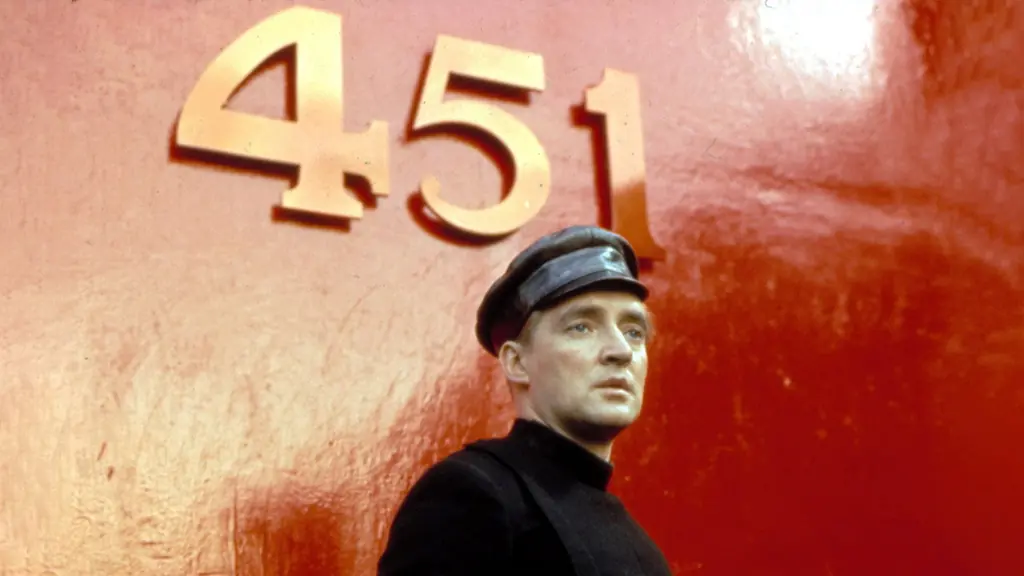
At the heart of this dystopian narrative is Guy Montag, a fireman whose job it is to destroy books. Played by Oskar Werner, Montag's journey from zealous enforcer to questioning rebel is meant to be the film's emotional anchor. The story hinges on his gradual disillusionment, sparked by encounters that challenge his ingrained beliefs. However, the film's portrayal of this pivotal transformation often feels abrupt and unearned. The protagonist's shift from fervent book-burner to clandestine reader occurs with a suddenness that undermines its credibility, leaving audiences questioning the depth of his conviction.
His interactions with a key female character, portrayed by Julie Christie, are intended to be a catalyst for his awakening. Yet, the romantic subplot that develops feels largely unconvincing, failing to provide the necessary emotional weight to justify Montag's radical change of heart. It's a dynamic that lacks the organic growth and palpable chemistry needed to truly resonate, leaving a significant void where genuine character development should be.
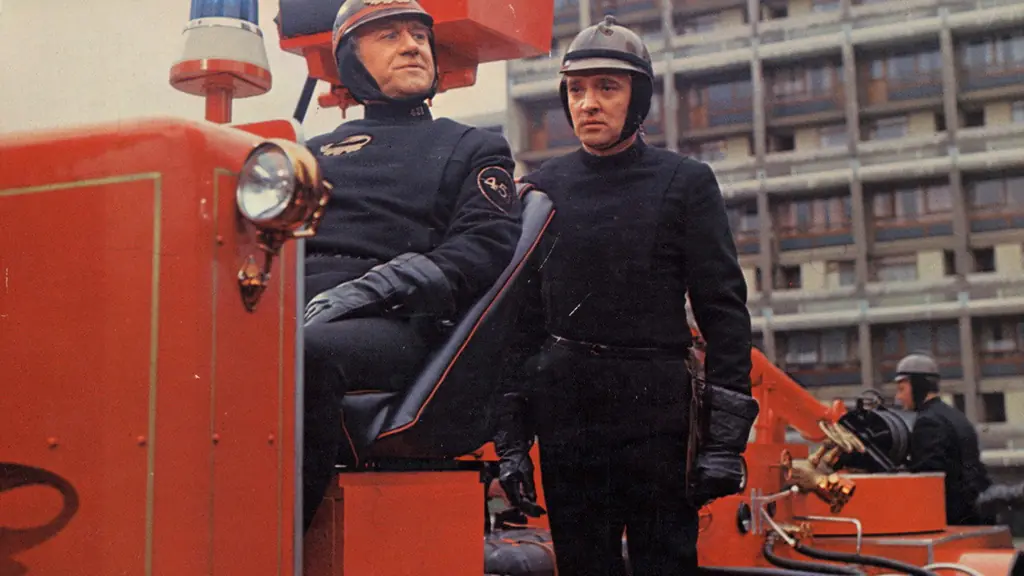
While the film features the iconic imagery of books being consumed by flames, the "action" largely revolves around these symbolic acts of destruction. The visual spectacle of burning literature is present, but the narrative doesn't build specific, memorable set pieces around these moments. Instead, the focus remains on the oppressive atmosphere and the quiet acts of defiance, though even these often feel understated rather than impactful.
Cameos, Nostalgia & Narrative Stakes
The narrative of Fahrenheit 451 centers on the totalitarian regime's relentless pursuit of knowledge suppression and the underground resistance that seeks to preserve it. The film introduces the core concept of firemen burning books and the chilling consequence of identity erasure for those caught with forbidden texts. This premise inherently carries high stakes, promising a tense struggle for intellectual freedom.
However, the film's world-building often feels underdeveloped, leaving audiences with more questions than answers about how this society came to be. There are only "little tidbits and scraps" of information regarding the historical path that led to such extreme censorship, making it difficult to fully grasp the societal context. This lack of foundational detail prevents the world from feeling fully realized, diminishing the impact of its oppressive rules.
Furthermore, the pacing and overall narrative structure struggle to maintain consistent engagement. The film introduces the concept of "book people"—individuals who have memorized entire literary works to preserve them for future generations. While conceptually powerful, the execution of this element is often strained. The idea that "everybody in this house is doing that" stretches credulity, especially when a young character is depicted as having memorized an implausible number of books. This portrayal comes across as "lazy writing," relying on a convenient trope rather than a believable depiction of human memory and dedication.
Tone, Direction & Creative Freedom
Under the direction of François Truffaut, Fahrenheit 451 attempts to capture the chilling tone of Bradbury's novel. The film maintains a somber, reflective atmosphere befitting its dystopian subject matter. However, the overall execution, encompassing the directing, writing, and editing, often feels unpolished. This lack of refinement contributes to a sense that the film never quite reaches its full potential.
The characters, despite the compelling premise, remain largely "flat" and "surface level." Their motivations and internal conflicts are not explored with sufficient depth, making it challenging for audiences to form a strong emotional connection. This superficiality in character development is a significant drawback, as the story demands a profound understanding of its protagonists' struggles and transformations.
Ultimately, the film struggles to leave a lasting impression. It's a "really forgettable" experience, failing to carve out a distinct identity despite its iconic source material. The ambition to adapt such a profound story is evident, but the creative freedom exercised here doesn't translate into a cohesive or deeply impactful cinematic vision. The result is a film that, while conceptually interesting, falls short in its dramatic and emotional delivery.
The Final Verdict
Fahrenheit 451 is an adaptation that grapples with a monumental task: bringing a beloved, thought-provoking novel to the screen. While its core concept of a book-burning society remains as relevant as ever, the film's execution often falters. Weak world-building leaves the audience adrift, unsure of the societal mechanics that led to such a repressive state. Character development, particularly the protagonist's pivotal transformation, feels rushed and unconvincing, undermining the emotional stakes.
The romantic subplot fails to ignite, and the portrayal of the "book people," while a fascinating concept, strains credulity with its unrealistic depictions. The overall direction, writing, and editing contribute to a sense of an unpolished product, resulting in a film that, despite its powerful themes, struggles to leave a memorable mark. It's a film that offers a glimpse into a chilling future but ultimately lacks the spark to truly illuminate its profound message.
What Worked
- Intriguing core concept of a book-burning society
- Exploration of censorship and identity erasure
- Attempts to portray a totalitarian regime
- The symbolic power of destroying knowledge
What Didn't Work
- Weak world-building, lacking historical context
- Flat character development, especially the protagonist's sudden shift
- Unconvincing romantic subplot
- Unrealistic portrayal of "book people" memorization
- Unpolished direction, writing, and editing



