Introduction
The cinematic landscape is littered with films bearing the simple, potent title of "Fear." It's a name that promises primal terror, a deep dive into our most unsettling anxieties. Yet, for the 1996 thriller Fear, directed by James Foley, the promise largely goes unfulfilled. This particular iteration arrives feeling less like a cinematic event and more like a relic from the straight-to-DVD era, a film that struggles to elevate its intriguing concepts beyond a shaky foundation.
The Lead Dynamic & The Action
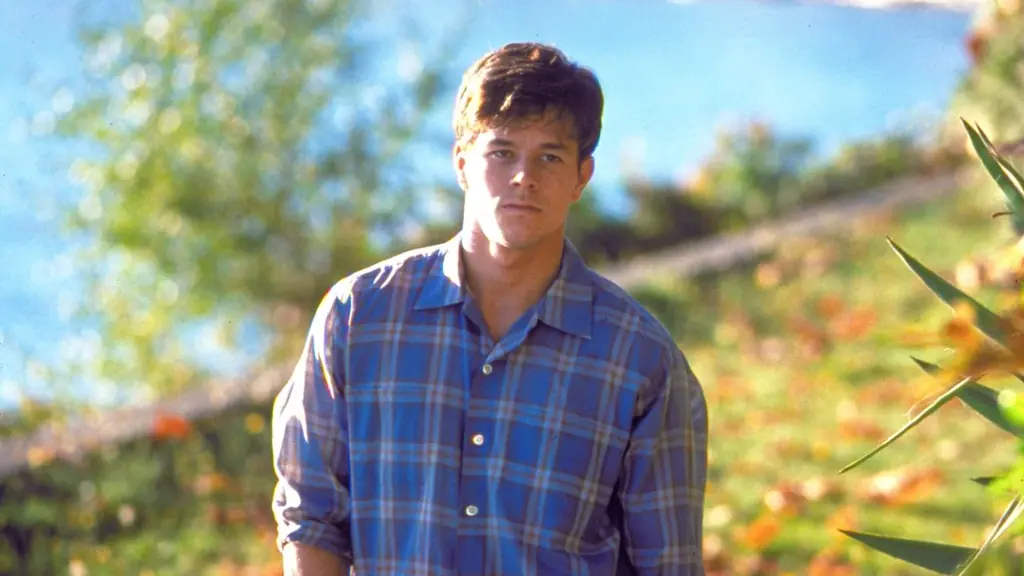
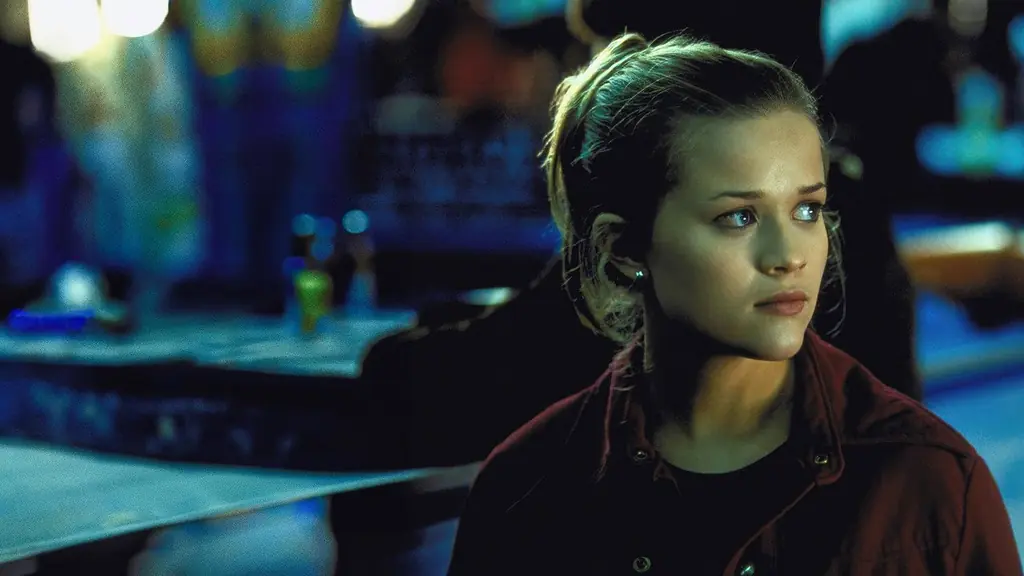
At its core, Fear attempts to explore the psychological unraveling of a group of friends trapped in a creaky old hotel, forced to confront their deepest fears. The premise itself holds a certain allure, hinting at a descent into paranoia and madness. However, the execution of these character dynamics often falls flat. The film struggles to make its characters believable, with reactions that defy logic and pull the audience out of any potential immersion. One character, upon merely getting a drop of water on his head, decides the most rational course of action is to kick open doors in the attic rather than, say, call the front desk. This lack of relatable human behavior undermines the very psychological tension the film aims to build, making it difficult to invest in their plight. The cast includes Mark Wahlberg, Reese Witherspoon, William L. Petersen, and Alyssa Milano, but even their presence can't salvage the script's shortcomings.
Cameos, Nostalgia & Narrative Stakes
The narrative takes a peculiar turn with an out-of-place subplot involving a "variant" – never explicitly named as COVID, but clearly echoing the pandemic's themes of isolation and paranoia. While on paper, connecting fear to a contemporary global anxiety might seem clever, its integration feels awkward and forced. Instead of enhancing the psychological horror, it detracts from it, leaving viewers questioning why their escapist horror film is venturing into such uncomfortable and poorly handled territory. The film is at its best when it moves past this ill-conceived tangent and focuses on individual characters confronting their personal demons, even if these moments are fleeting and loosely executed.
Tone, Direction & Creative Freedom
Fear is a film of missed opportunities. The conceptual horror elements, particularly when characters visualize their fears and the lines between reality and delusion blur, are genuinely "pretty cool." These glimpses suggest a more compelling film that could have been. Unfortunately, these moments are often overshadowed by a noticeable lack of polish. The film's low-budget origins are evident, particularly in the "bad CGI" that appears towards the climax, featuring a "weird swirly monster thing" that simply doesn't hold up. This visual misstep further diminishes the film's impact, making it feel dated and unconvincing. It's a movie that, despite its intriguing premise, ultimately falls flat due to its execution, leading to the rare sentiment that it "should get remade" to truly realize its potential.
The Final Verdict
Ultimately, Fear is a forgettable experience. Despite some conceptually interesting psychological thriller elements and moments where the visualization of fear shines, the film is hampered by a weak script, unbelievable character reactions, an awkward subplot, and dated visual effects. It's the kind of movie that leaves little lasting impression, fading from memory almost as soon as the credits roll. While it might offer a fleeting curiosity for those interested in its premise, it's unlikely to resonate beyond a single viewing.
What Worked
- Intriguing horror concepts (in theory)
- Psychological thriller elements show potential
- Moments of fear visualization are "pretty cool"
What Didn't Work
- Poor script and execution
- Unbelievable character reactions
- Awkward and out-of-place "variant" subplot
- Dated, unconvincing CGI
- Overall forgettable experience