Introduction
Before the world watched in awe as humanity took "one giant leap," there was the arduous, often tragic, journey to get there. First Man, directed by Damien Chazelle, pulls back the curtain on the legend of Neil Armstrong, focusing not just on the iconic Apollo 11 mission, but on the bumps, bruises, blood, sweat, and tears shed along the way. This isn't just a story of triumph; it's a dramatic peek into the intense personal sacrifices behind a global spectacle.
The Lead Dynamic & The Action
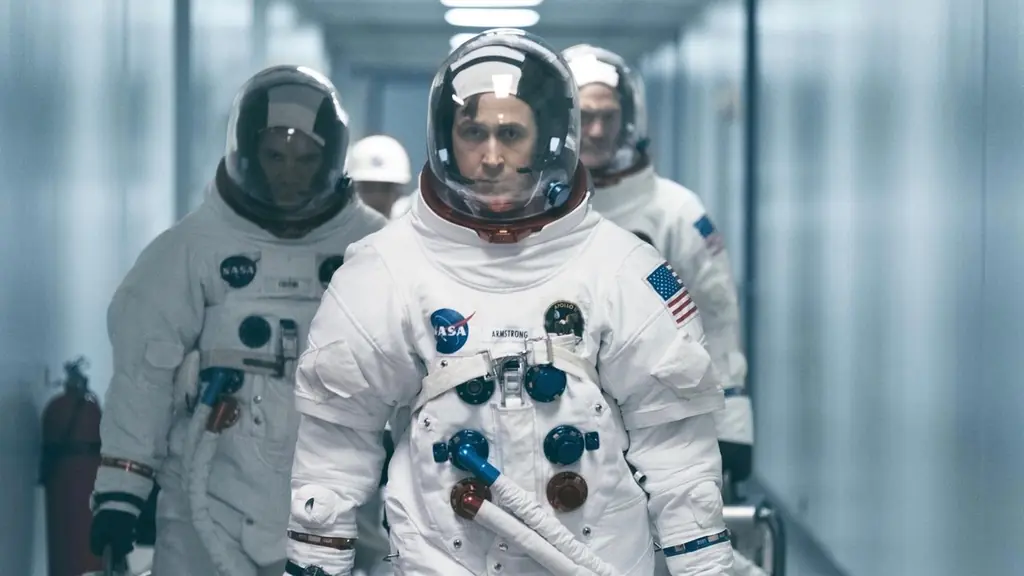
At the heart of this intense drama is Ryan Gosling as Neil Armstrong, delivering a performance that is, characteristically, stoic. While some might find his portrayal emotionally reserved, it perfectly captures the calculating, mathematical persona of a man designed for the impossible. Yet, the emotional weight of the entire ordeal often falls to Claire Foy, who shines as Armstrong's wife. Her performance powerfully conveys the immense stress and emotional toll on the families left behind, carrying the burden of a nation's ambition.
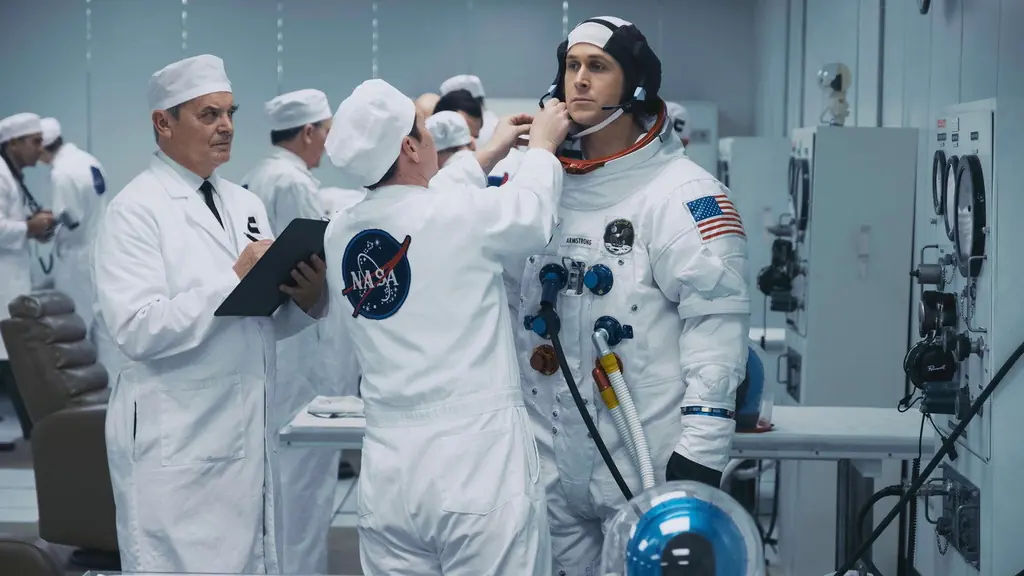
Where First Man truly soars is in its technical execution. The film masterfully employs a grainy, almost 16mm-like aesthetic for much of its runtime, immersing viewers in the 1960s. This deliberate choice makes the film feel like a relic from the era it depicts, rather than a modern digital recreation. The contrast is breathtaking when the narrative shifts to the lunar sequence, filmed with stunning IMAX clarity. The transition from gritty realism to awe-inspiring visual splendor is akin to Dorothy stepping into the vibrant world of Oz – a truly jaw-dropping moment that silences the theater.
The film's practical effects are so seamless, it's often impossible to discern what's real and what's CGI. Shots from the wing of a rocket, showing the Earth spinning away, are incredibly effective. But it's the cockpit scenes that truly unsettle. From the very first test flight, the audience is strapped in alongside the astronauts, experiencing the terrifying reality of being launched into space. The sound design alone is a character, a cacophony of explosions and guttural roars reminiscent of the velociraptor feeding scene in "Jurassic Park." The shaky-cam, often a point of contention, is entirely justified here; it's not an action sequence meant for clear framing, but a visceral, unsettling experience designed to put you directly in that rattling, garbage-can-like capsule. This isn't a first-class flight; it's a bumpy, terrifying ride into the unknown.
Cameos, Nostalgia & Narrative Stakes
First Man bravely tackles the profound question: was it all worth it? It doesn't shy away from the human cost, acknowledging the lives lost in the pursuit of a singular goal – to beat Russia to the moon. While confronting this somber reality, the film never undercuts the monumental scope and gravity of the achievement itself. It celebrates the inspiration it sparked, the generations it motivated, and the way it expanded human imagination.
However, the film does stumble in one key area: conveying the passage of time. The story spans approximately eight years, yet the narrative often feels compressed, making it difficult to grasp the true duration of the sacrifices and developments. Characters age subtly, but the emotional arc of the journey feels less expansive than the timeline suggests. This can leave some viewers feeling that the drama, while present, doesn't always land with the intended emotional punch.
Tone, Direction & Creative Freedom
Damien Chazelle's direction is precise, balancing the intimate family drama with the grand, terrifying spectacle of space travel. The tone is consistently intense, especially during the launch sequences, where the unsettling sounds and visuals create a palpable sense of danger. The film's commitment to immersion, from the period-appropriate film grain to the jarring cockpit experiences, speaks to a creative freedom that allows the filmmakers to prioritize authenticity over conventional polish. It's a bold choice that pays off, making the audience feel like they are not just watching history, but living it.
The Final Verdict
Despite its minor stumbles in emotional resonance and pacing, First Man remains a thoroughly enjoyable and fascinating cinematic experience. It's a dramatic, unflinching look behind the curtain of a monumental event, revealing the humanity and flaws of the heroes we often mythologize. This film reminds us that even legends are human beings, grappling with immense pressure and personal tragedy. With a runtime of two hours and twenty minutes, it demands your attention, but rewards it with an intense, immersive journey into the heart of one of mankind's greatest adventures. No alcohol required for this wild ride – just a willingness to be transported.
What Worked
- Immersive, gritty technical execution with period-appropriate film grain and stunning IMAX contrast.
- Unsettling, realistic cockpit sequences enhanced by visceral sound design and justified shaky-cam.
- [[person:30614|Ryan Gosling]] delivers a stoic, calculating portrayal of Neil Armstrong.
- [[person:120932|Claire Foy]] provides a powerful, emotional performance as Armstrong's wife.
- Explores the profound human cost and sacrifices behind the historic moon landing.
What Didn't Work
- Struggles to effectively convey the passage of time across its eight-year narrative.
- Lacks the deep emotional impact it aimed for, leaving some viewers wanting more "feels".
- [[person:30614|Ryan Gosling]]'s stoicism, while accurate, might distance some audience members.
- The 2-hour 20-minute runtime can feel long for a drama that doesn't always hit its emotional marks.